China launches first regular Northern Sea Route link to Europe
Service shortens Ningbo–Felixstowe runs to about 20 days; seasonal window runs July–October.
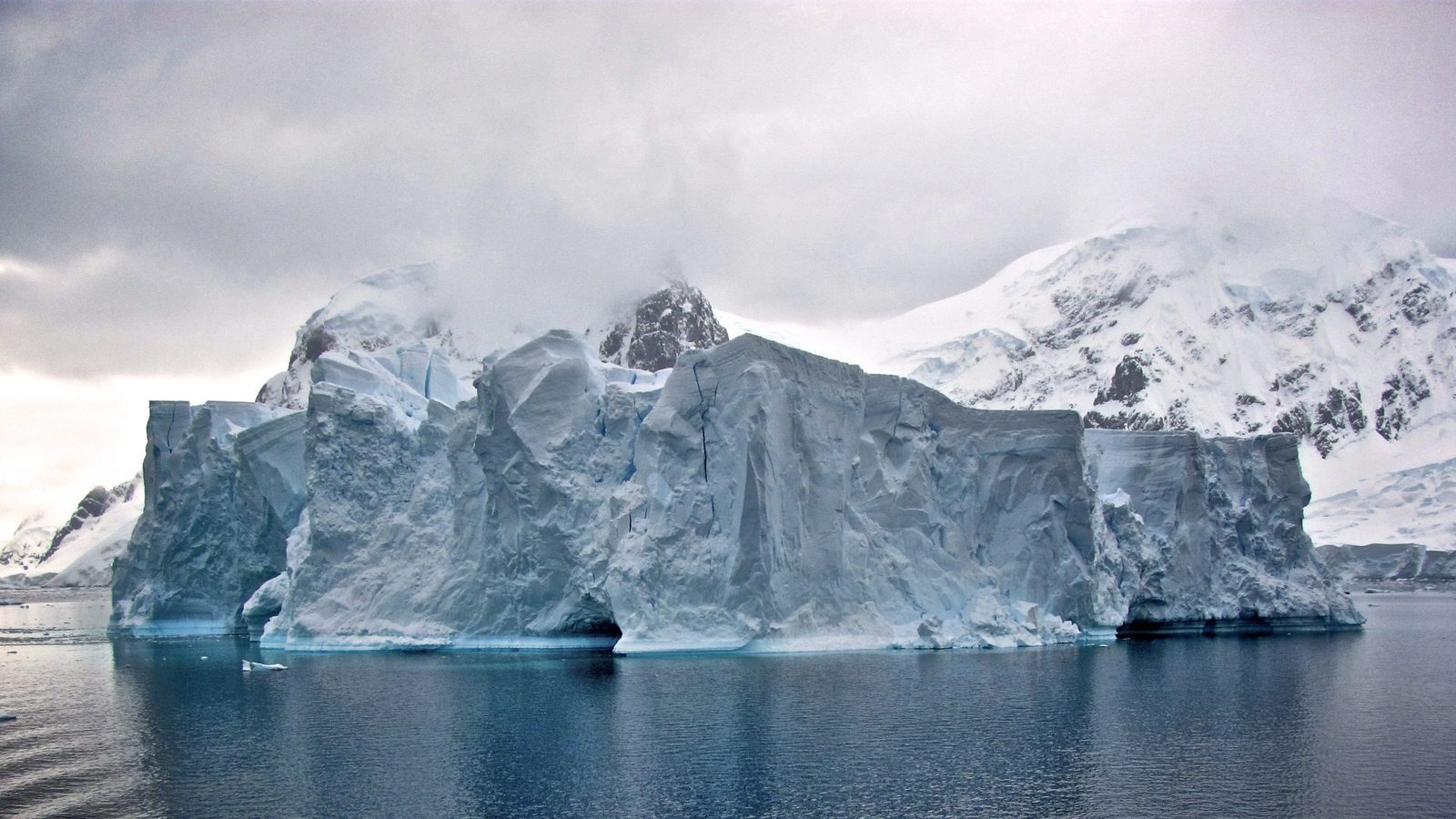
China has inaugurated its first regular maritime service to Europe that uses the Northern Sea Route along Russia’s Arctic coast, a move Beijing frames as part of broader strategic plans to diversify shipping links amid disruptions in the Red Sea.
Shorter voyage, seasonal window
The new service cuts transit time markedly: the voyage from Ningbo to Felixstowe takes about 20 days—roughly half the time for ships that sail via the Suez Canal and the Red Sea, and about five days faster than rail connections between China and Europe.
The first vessel on the route, the Dubai Tower, is carrying products including energy-storage batteries, traction/driving batteries, photovoltaic modules and components for clean-energy manufacturing. Operator Sea Legend said the ship, which departed on Saturday, will call at ports in the Netherlands, Germany and Poland, and that the company plans at least eight sailings on the route this year.
The Northern Sea Route remains seasonal: it can be used only from July through October because of Arctic ice.
Beijing has promoted Arctic corridor development as part of a longer-term agenda. In 2017 President Xi Jinping urged China and Russia to jointly develop Arctic sea lanes and build a so-called "Polar Silk Road." Chinese media described the new regular service as a step toward faster maritime transport, stronger energy security and more stable global supply chains.
Russia has already authorised Chinese cargo ships to navigate the corridor. Alexey Likhachov, director of the Russian state nuclear corporation Rosatom, which manages the Northern Sea Route, confirmed that permits for Chinese vessels have been issued. He said, "The development of the Northern Sea Route is taking place in the context of a prolonged, complex situation in the Persian Gulf."
The launch of the route comes as tensions and conflict involving Iran continue to affect shipping through the Red Sea, prompting shippers and states to seek alternative links between Asia and Europe.
Photo: Unsplash / Jay Ruzesky