Austria split on extending fuel tax relief beyond August
Ministers clash over whether domestic tax cuts or a Europe‑wide levy on oil ‘‘extra profits’’ will do more to help drivers.
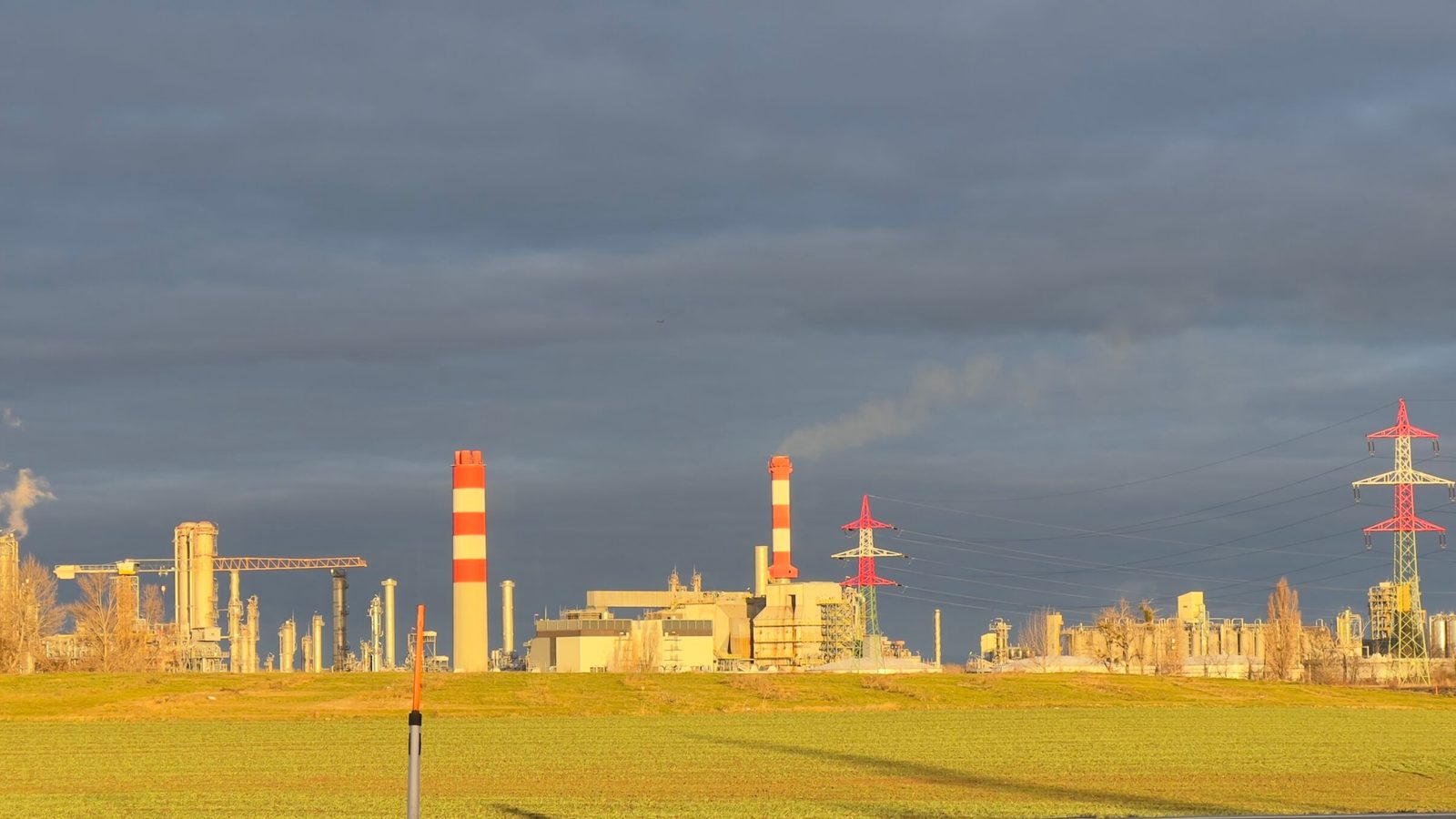
Austria’s government is visibly split over whether the temporary fuel tax relief should be extended beyond August, with ministers giving sharply different assessments of how much benefit drivers would actually see.
Finance Minister Markus Marterbauer has expressed scepticism about prolonging the cut, arguing that a tax reduction on its own has become ineffective if fuel companies’ profit margins are not capped. He noted that the August reduction amounts to 1.9 cents per litre and said the recent impact on pump prices has been only about one to two cents.
Different tools, different outcomes
Marterbauer said the stronger effect was visible in April and May, when the tax cut coincided with a legal cap on refinery and pump margins. That margin limit was suspended in June after pressure from the People’s Party and NEOS. Philipp Kuher, head of the parliamentary group of the Social Democrats, had earlier asked for the measure to continue, but Marterbauer now says that without margin limits an extension would not deliver sufficient relief for citizens.
Rather than reintroducing a domestic market intervention, Marterbauer and five other finance ministers have asked the European Union to open talks on an emergency framework to tax so‑called ‘‘extra profits’’ earned by oil companies in crisis conditions. In a letter dated 21 August to Ireland’s finance minister Simon Harris — whose country currently holds the Council presidency — ministers from Germany, Italy, Portugal, Poland, Spain and Austria signed up to the proposal. The idea is to channel additional revenue from oil companies into measures that ease household costs.
Economy Minister Wolfgang Hatmansdorfer took a different line, warning that prolonged state interference risks weakening competition and supply security, and could put small, independent petrol stations under pressure. The government has promoted a so‑called guarantee for price reductions intended to speed wholesale savings through to drivers. The Freedom Party of Austria (FPÖ) favours a more radical step: halving the mineral oil tax and abolishing the carbon dioxide tax.
The Austrian Automobile Club (ÖAMTC) supports the European approach. Transport economist Martin Graslober argues an extra‑profit tax would hit large companies rather than small pumps, and that proceeds could be used to further reduce the burden on drivers — including temporarily suspending or lowering the price on carbon dioxide.
The dispute exposes a wider dilemma inside the government: whether to intervene directly in market prices when households face high costs, or to provide help via fiscal and social policies. The decision will shape how Austria responds to any future spikes in energy prices.
Photo: Sloboden pechat - Zoran Rusmir