Klekovski: New law on medicines will require shortage plans and tougher rules on falsified drugs
The draft law would introduce mandatory reporting of shortages, reserve therapy plans and criminal penalties for falsified medicines.
The Ministry of Health unveiled proposals for a new Medicines Law that would require formal reporting of drug shortages and the preparation of contingency plans when therapies become temporarily or permanently unavailable.
Key measures, monitoring and alignment with European standards
Minister Sasho Klekovski explained that the current law dates from 2007 and has been amended more than 20 times, so authorities are preparing an entirely new legislative framework focused exclusively on medicines; medical devices will be regulated by a separate law and pharmacy activity is planned to be split out in a later stage.
The draft introduces a procedure for reporting adverse reactions and places a clear obligation on marketing authorization holders to notify authorities about foreseeable production or supply interruptions. Where a therapy is lacking, the law would require reserve plans that can include substitute treatments or other contingency measures.
As part of harmonisation with European rules and Council of Europe standards, the proposal foresees tougher controls on falsified medicines; for the first time falsifying medicines will be foreseen as a criminal offence, which will require coordination with the Criminal Code.
Klekovski cited the drug "dekotin" as an example of a product with a current permanent shortage and said most shortages are predictable because manufacturers or suppliers know in advance about production breaks or delivery delays. He argued this is why greater discipline and timely information are needed from responsible companies.
On procurement, the ministry said health institutions already have the option to plan multi-year purchases. The Ministry will issue recommendations and organise a joint meeting with the Health Insurance Fund to encourage longer-term financial planning, even though annual negotiations will continue. Contracts should foresee alternatives for every therapy and include penalties for late or missing deliveries.
Regarding the positive medicines list, the new law aims to simplify some registration steps and improve tracking of medicine consumption to better assess the financial impact of adding drugs to the list; new medicines are expected to appear on the positive list in 2027.
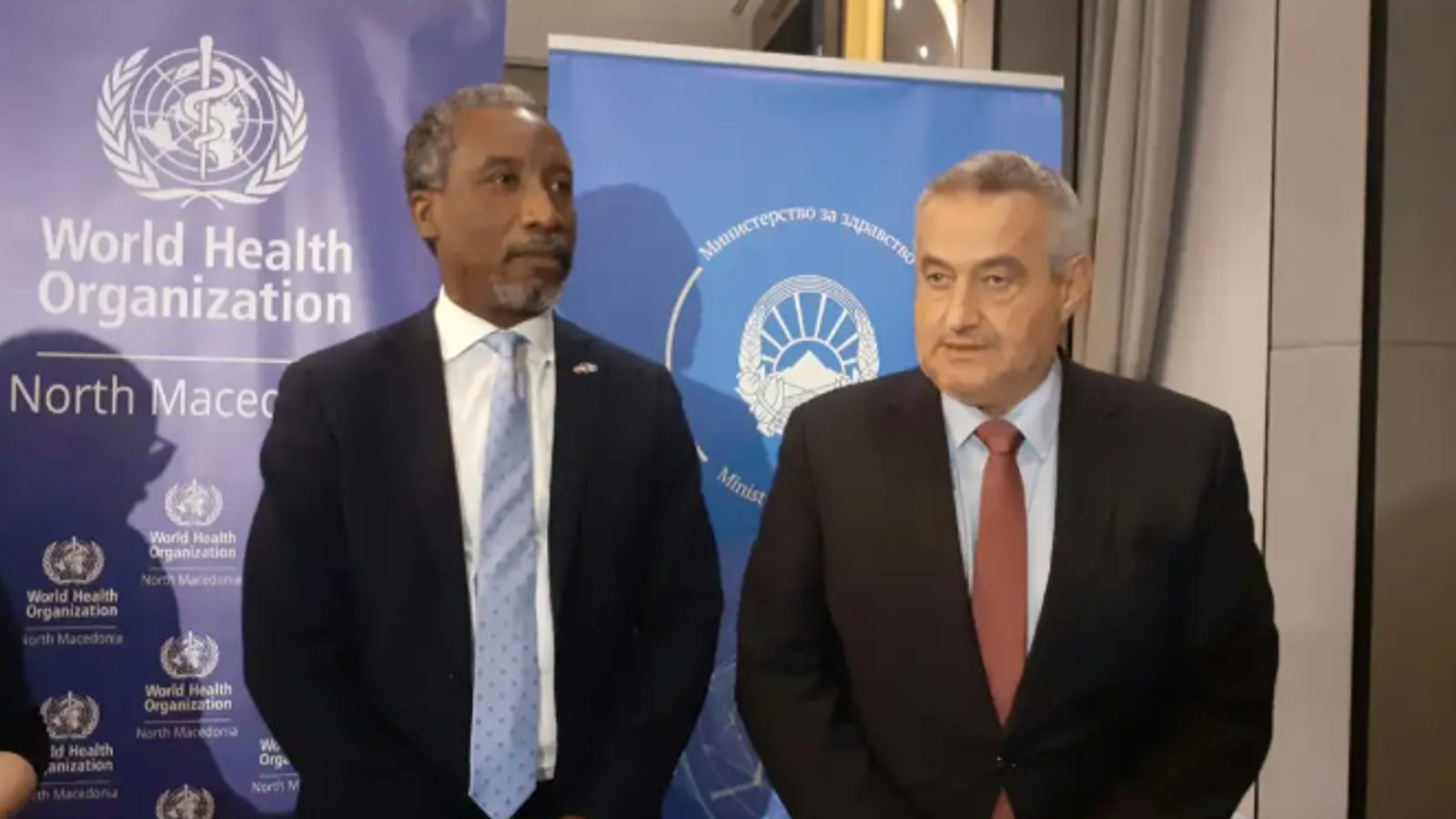
Dr. Akim Ali, head of the WHO regional office in the country, praised the cooperation with the Ministry, the Agency for Medicines and Medical Devices (MALMED) and the expert group preparing the law, and confirmed WHO will continue to support the country during all phases of the process.
Photo: Printskrin