Climate change has brought the tiger mosquito — risk of West Nile fever rises
The tiger mosquito is becoming established, 11 cases of West Nile fever reported, experts call for systematic surveillance and continuous prevention.
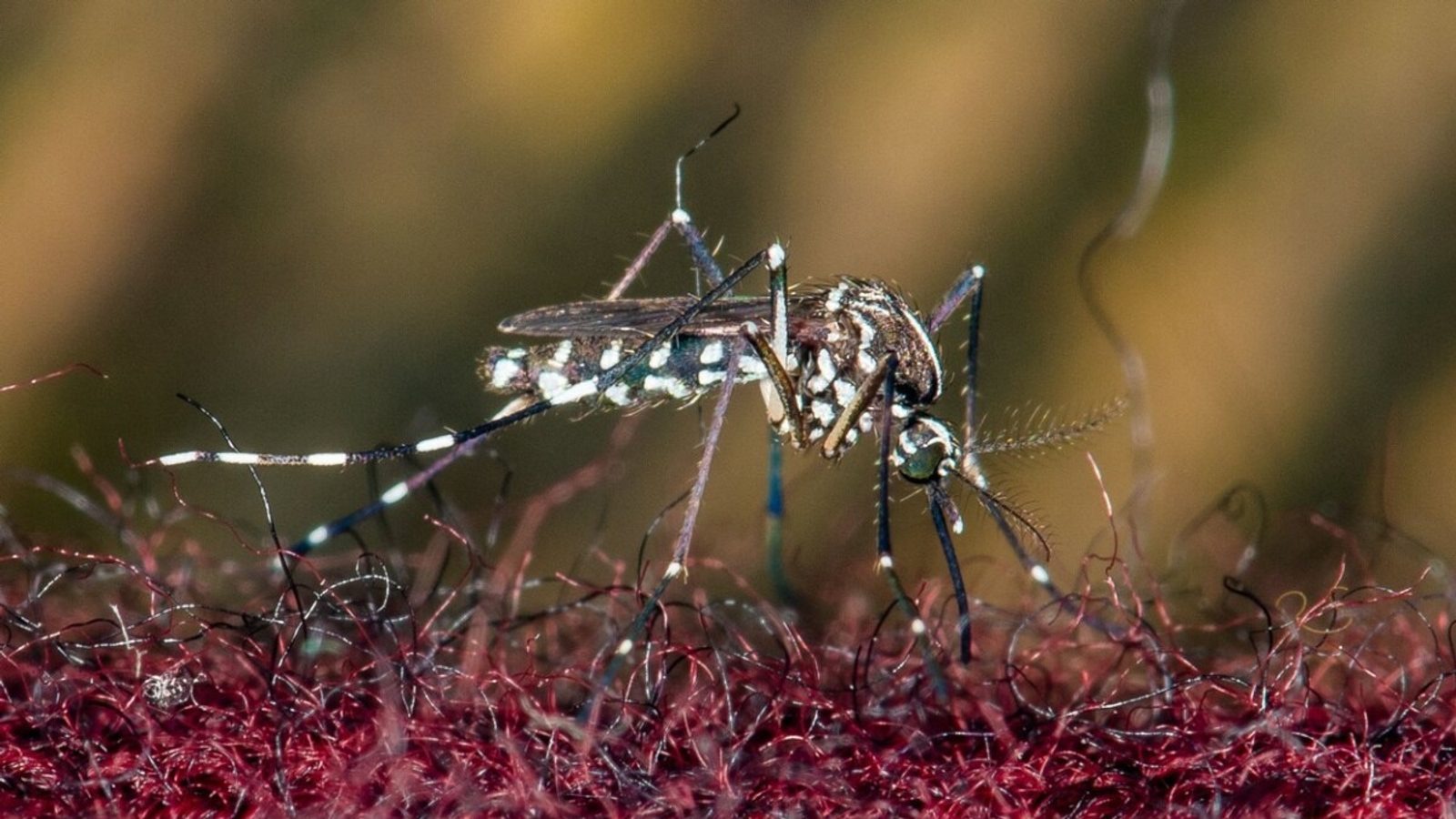
Warmer seasons and global movement of people and goods are enabling the spread of the invasive tiger mosquito (Aedes albopictus) in North Macedonia, and with it the risk of spreading diseases such as West Nile fever, experts say.
Prof. Kiril Arsovski Przho, a biologist and ecologist, explains that climate change is among the main drivers of this phenomenon. He warns: "With rising average temperatures and milder winters, many species that previously could not survive in our climatic conditions are now successfully settling and reproducing. In addition, longer warm seasons allow them to have more generations during a year, which significantly increases their numbers" — Arsovski explains.
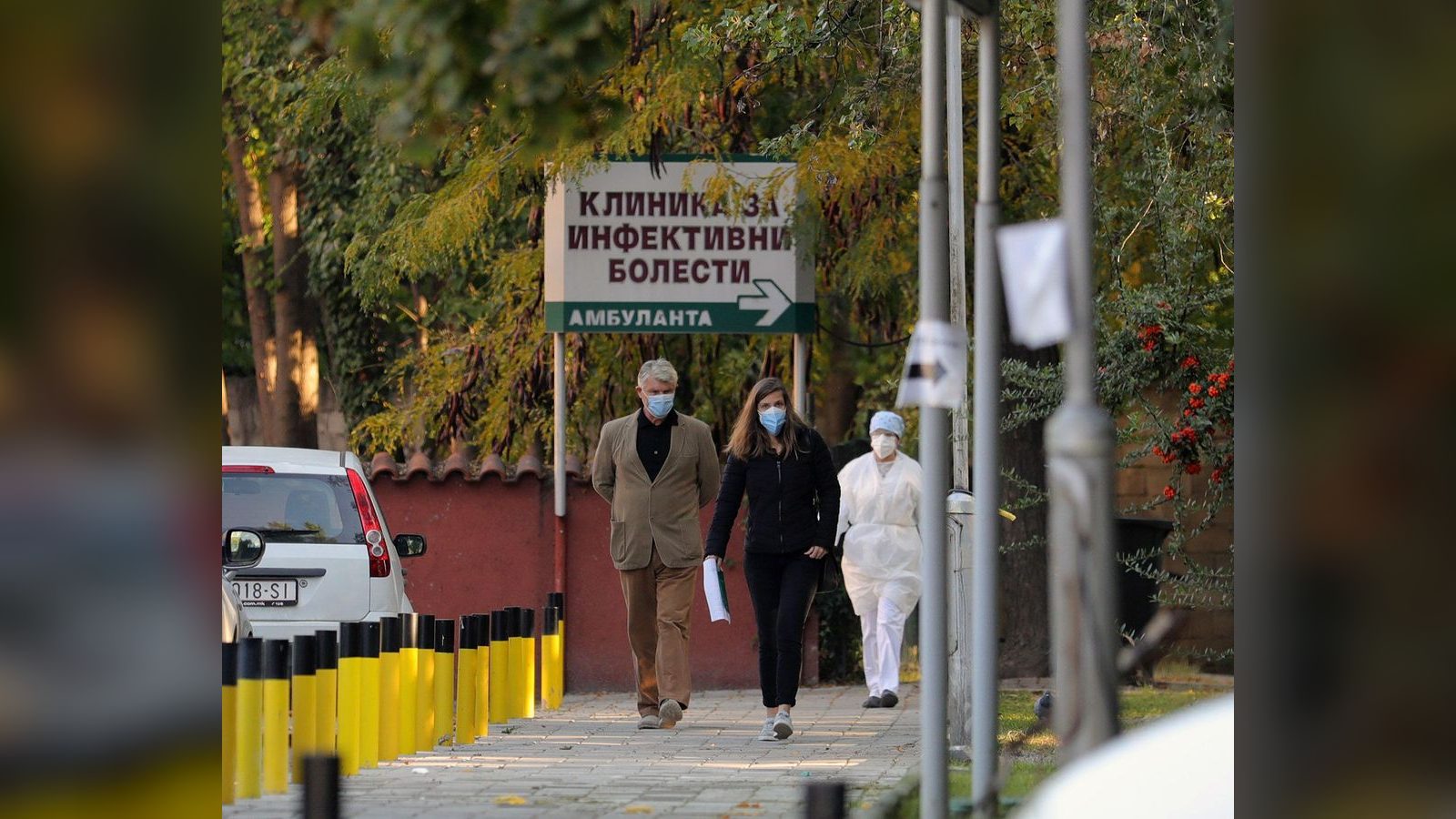
According to the latest data, there are 11 people infected with West Nile fever in the country, with most of the locally acquired cases linked to the Skopje Plain. Two patients, aged 76 and 66, are in critical condition and are on mechanical ventilation in the Intensive Care Unit of the Clinic for Infectious Diseases. Seven new cases were also confirmed in the latest report — all with severe central nervous system symptoms.
Regional data indicate the occurrence is not isolated. The European Centre for Disease Prevention and Control reports that from the start of the 2026 transmission season to 22 July 2026 81 locally acquired cases were registered in six European countries, and North Macedonia is among the affected. The Institute of Public Health stated that the first registered human case in the WHO European Region this season is from North Macedonia. So far, five deaths related to West Nile fever have been reported in the country.
As clinicians noted: "Dr. Danilovski: Eight severe cases of West Nile fever have been detected; we do not know how many people have been infected." Experts add that most infected people are asymptomatic or have a mild clinical picture, but serious neurological complications can appear in older people and those with weakened immune systems. Initial symptoms usually appear between 3 to 14 days after infection, and recovery can take weeks or months; so far there is no approved vaccine against the virus.
Prevention and need for systematic surveillance
Experts point out that occasional spraying is not enough and call for continuous monitoring and a coordinated response. Prof. Arsovski assesses: "At the moment it cannot be said that the state is doing enough" and emphasizes that much of the data comes from scientific research and individual projects rather than a national, continuous surveillance system. He proposes greater investment in monitoring, better cooperation between institutions and increased public education.
Retired epidemiologist Dr. Aleksandar Stojanov warns that "Climate change has shifted the boundaries." He adds that more frequent spraying may help, but complete eradication of the tiger mosquito is unrealistic. The Institute of Public Health appeals to citizens to install protective nets, wear longer clothing, use repellents and not create breeding conditions — proper waste disposal and removal of standing water in yards are among the key measures.
Additionally, one imported case of dengue was confirmed — an infected man from Bangladesh — which further underscores the need to systematically monitor other potential diseases associated with invasive species.
Photo: Geyres Christophe/ABACA / Shutterstock Editorial / Profimedi