Knesset to hold inaugural session on 10 November as opposition rallies around Gadi Eizenkot
Inaugural session set for 16:00 local time; preliminary results leave no clear majority and opposition hopes to form alternative coalition
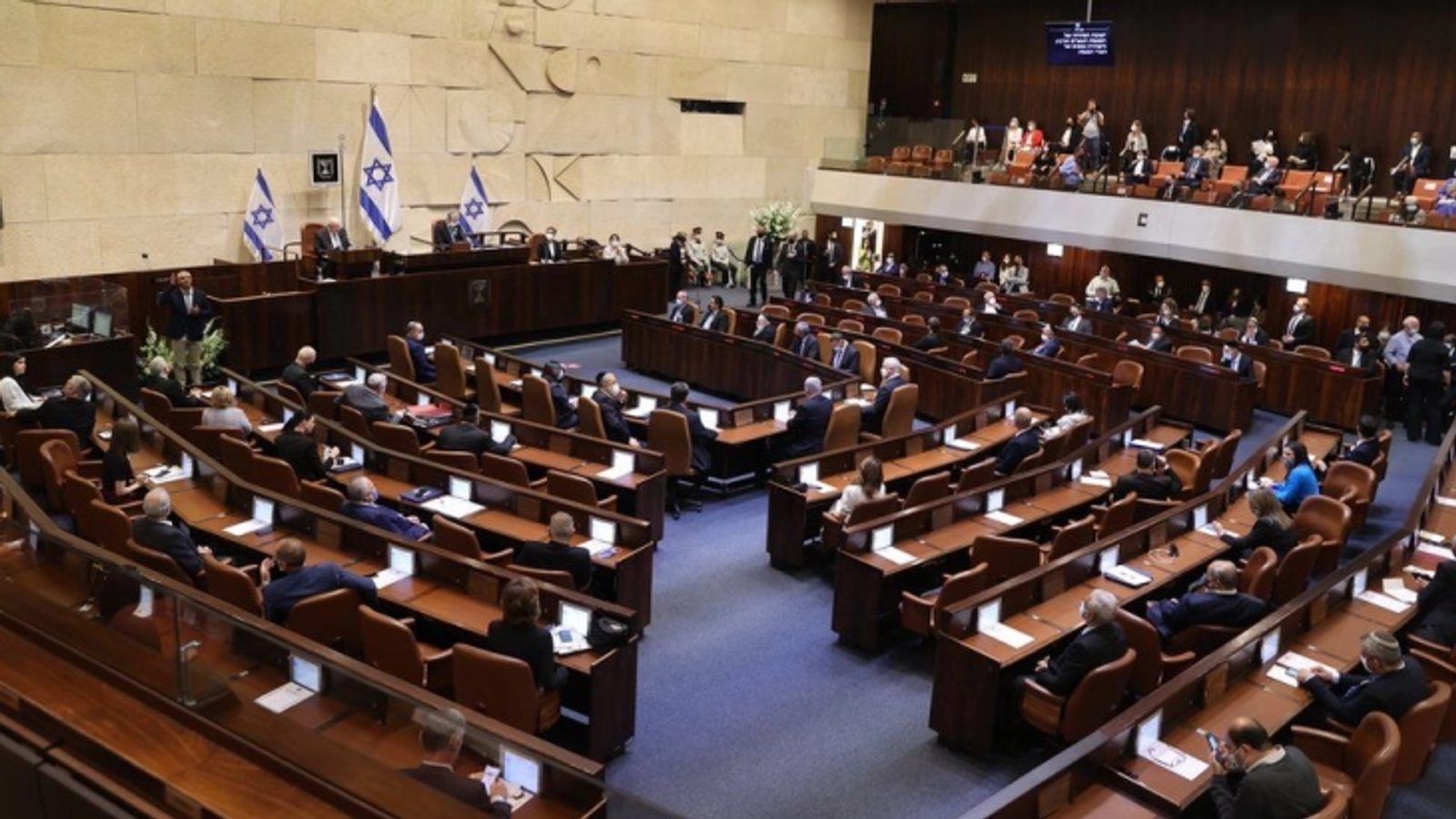
The newly elected Knesset will hold its inaugural session on 10 November, when members will take the oath of office and elect the parliament speaker, the Knesset announced.
The session is scheduled to begin at 16:00 local time (14:00 GMT) and will be attended by President Isaac Herzog and other guest dignitaries.
Numbers, blocs and a possible surprise majority
The announcement follows last Tuesday’s parliamentary election in which no political bloc secured a clear majority in the 120-seat legislature. Preliminary results give Prime Minister Benjamin Netanyahu’s bloc 53 seats, opposition parties 48 and Arab parties 19 seats. A parliamentary majority requires at least 61 members; official results are expected on Wednesday.
During the inaugural meeting, all newly elected deputies and those who retained their seats will swear allegiance to Israel. The Knesset’s first order of business will be the election of a speaker from among the members. The opposition bloc “Change”, led by Gadi Eizenkot, is seeking to replace the current Knesset speaker, Amir Ohana, a Likud member aligned with Netanyahu.
The Knesset said the speaker is elected for a four-year term and is charged with presiding over parliamentary business and representing the legislature to external bodies. The speaker also acts as Israel’s acting president when the head of state is abroad. Soon after electing a speaker, the Knesset will choose up to eight deputy speakers to help set the agenda and handle members’ questions and legislative proposals.
Meanwhile, parties have intensified consultations on who should receive the mandate to form the next government. Channel 12 quoted Avigdor Liberman, leader of Yisrael Beiteinu, saying he will nominate Gadi Eizenkot as prime minister. The public broadcaster KAN reported that the Democrats, led by Yair Golan, also lean toward proposing Eizenkot, while the party Together, led by former prime minister Naftali Bennett, said on Sunday it would back him.
Arab deputies have indicated they might nominate Eizenkot to prevent Netanyahu from forming another government. If all 19 Arab members back the opposition parties for Eizenkot, he could reach support from a total of 67 deputies versus the 53 held by Netanyahu’s bloc — a result that could influence President Herzog’s decision on whom to task with forming the government, despite Likud remaining the largest single party in the Knesset.
Both Netanyahu and Eizenkot oppose the creation of a Palestinian state, despite United Nations resolutions supporting a two-state solution. Netanyahu, 76, has served as prime minister five times across separate terms, making him Israel’s longest-serving holder of the office.
Photo: press material from the event