Menuvame coalition: Invisible barriers across Skopje limit blind people's mobility
On International White Cane Day the Menuvame coalition called for safer sidewalks, functioning audio signals and accessible public transport for blind and visually impaired people.
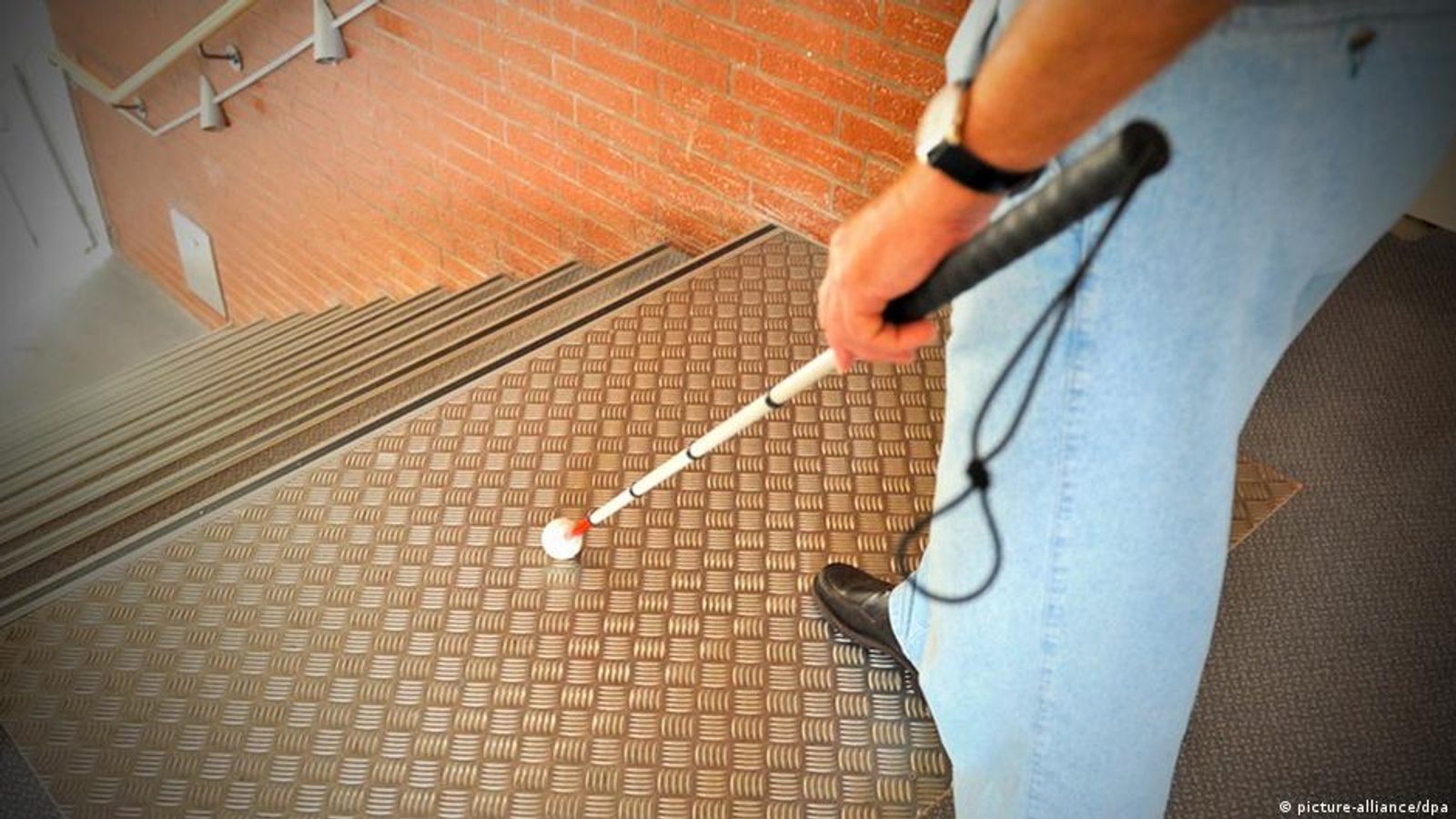
On 15 October 2026 — International White Cane Day — the Menuvame coalition warned that people who are blind or have visual impairments face invisible but persistent obstacles across Skopje that undermine their safety and independence.
Accessibility as a human-rights issue
Everyday tasks that most residents take for granted — reaching work, a doctor’s appointment or a bus stop — can become hazardous or impossible for someone who cannot rely on sight. Menuvame lists recurring problems: vehicles parked on sidewalks, advertising boards, building materials left in pedestrian paths, interrupted or incorrectly laid tactile guidance, non-functional audio signals and lack of accessible arrival information at bus stops.
The coalition stressed that these barriers are more than inconveniences. "When a pedestrian route is blocked, when tactile guidance ends before an obstacle or when a bus stop has no accessible information about vehicle arrivals, the consequences are not limited to discomfort. Such situations can create a safety risk, increase dependence on others and restrict everyday activities," the Menuvame coalition said.
Menuvame underlined that "The problem is not the white cane." They said the cane is a tool for orientation, mobility and autonomy, not a symbol of helplessness; the real issue is an urban environment that fails to ensure safe, independent movement.
The coalition invoked the UN Convention on the Rights of Persons with Disabilities — notably articles 9 (equal access to the physical environment, transport, information and communications), 20 (measures to maximise independence) and 2 (the concept of universal design) — as the legal framework that should guide planning and upgrades. They argued accessibility must be integral to design, construction, reconstruction and maintenance, not an afterthought or additional expense.
Menuvame called for concrete measures and clear institutional responsibility, proposing a set of actions including audits of pedestrian routes and bus stops, removal of obstacles, regular maintenance of audio traffic signals, accessible passenger information, consultation with people with disabilities in decision-making and public disclosure of plans, budgets, deadlines and measurable indicators.
The group also urged better coordination among the City of Skopje, municipalities, public enterprises, inspection services, the Ministry of Transport and the public transport company to carry out regular on-site checks and publish verifiable data on removed barriers, functioning audio signals and transport accessibility. "Blind people and people with visual impairments do not seek pity. They demand respect for their rights, equal opportunities and conditions for independent life," the coalition said.
Photo: press material from the event