When to take a child with the flu to the doctor — three warning signs
Breathing difficulties, no urination for 8 hours and hard-to-wake drowsiness are the red flags doctors say need immediate attention.
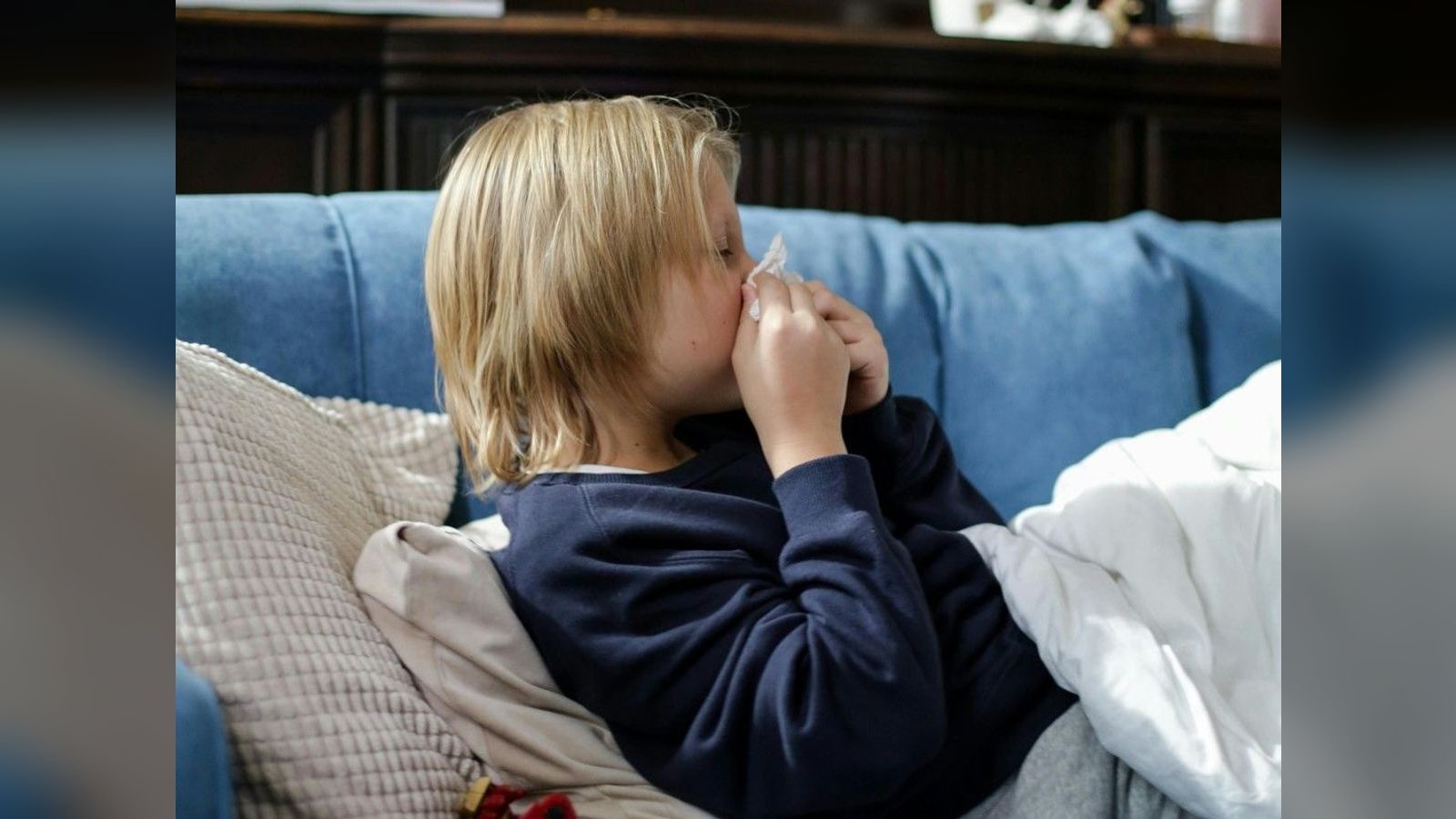
High fever in a child with the flu is alarming, but doctors say three other signs require immediate medical attention even if the thermometer is the main focus at home.
Parents often spend nights checking temperature, offering fluids and listening for coughs as a sick child rests. Flu can come on fast: a child who was playing in the morning may be exhausted by afternoon with fever, headache and body aches. For most children the illness resolves without major problems, but complications can occur.
The U.S. Centers for Disease Control and Prevention (CDC) highlights key warning signs that should prompt a prompt visit to a doctor rather than waiting until the next day.
First warning — trouble breathing. Faster breathing with fever can be normal, but true respiratory distress is different. Seek care if the child breathes rapidly even at rest, struggles to pull in air, or the skin between the ribs pulls inward with each breath. A medical emergency sign is grayish or blue lips.
Second warning — no wet diaper or urination for 8 hours. Vomiting, diarrhea and refusal to drink can lead to dehydration. One early red flag is the absence of wetting for 8 hours. Other signs include a very dry mouth, no tears when crying and pronounced listlessness. For infants, monitor diapers closely: unusually long dry spells and refusal to suck or drink require urgent evaluation because dehydration can progress rapidly.
Third warning and a dangerous pattern
Third warning — unusual drowsiness or difficulty waking. It is normal for ill children to sleep more, but it is not normal if a child is hard to rouse, does not respond when spoken to, or seems confused when awake. Such behavior should not be dismissed as simple tiredness; if the child is difficult to wake, has seizures or loses consciousness, seek immediate medical help.
Be particularly alert to a deceptive improvement: a child who seems better after several days of fever, resumes eating and appears well, then relapses with fever and worse cough. Pediatricians warn that this pattern can signal dangerous secondary infections and needs urgent medical assessment. Intense muscle pain that makes the child refuse to move is another red flag.
Caution is greatest for children under five (especially under two), and for those with asthma, diabetes, heart disease or weakened immunity; parents of these children should contact a pediatrician at the first suspicion of flu. For infants younger than three months, a temperature of 38 degrees Celsius or higher is an emergency that requires immediate hospital evaluation.
If a child breathes normally, drinks fluids, wets regularly and responds normally, flu can usually be managed at home with rest and attention to fluids. Use pediatric formulations and dosages of syrups according to the child’s weight and age. Do not give aspirin on your own because of the risk of the deadly Reye syndrome. Do not alternate paracetamol and ibuprofen without medical advice, and avoid ibuprofen in a child who is already dehydrated.
Photo: press material from the event