Which saint protects you by birthdate — numerology guide and when to light a candle
A cultural numerology chart connects life numbers 1–9 with symbolic saints and suggests which feast days many people use to light candles.
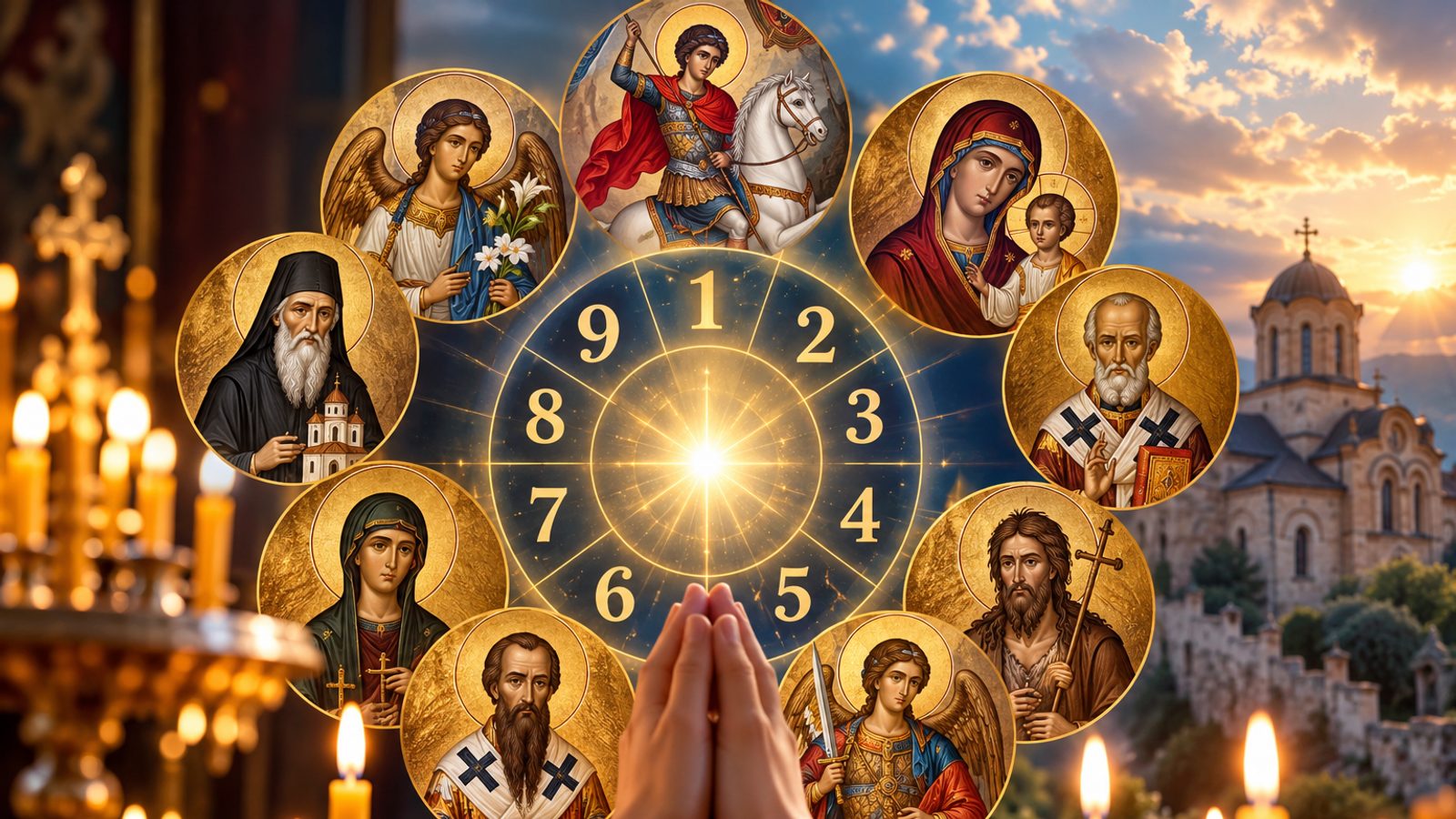
Many people still read meaning into the day they were born. In popular numerology, a birth date is reduced to a single "life number" from 1 to 9; each number is then linked to particular character traits and — in some folk interpretations — associated with a symbolic patron saint. This is a cultural, not a doctrinal, reading.
How to calculate your life number
The method is straightforward: add every digit in your birth date, then keep adding the digits of the result until you have a single digit between 1 and 9. For example, for a birth date of 14.06.1985:
1 + 4 + 0 + 6 + 1 + 9 + 8 + 5 = 34
3 + 4 = 7
According to this process, the life number for 14.06.1985 is 7.
Below is the traditional mapping used in these folk-numerological lists. Each entry includes the saint commonly named as the symbolic protector and the traits typically attributed to people with that life number.
1 — Saint George. Number 1 marks people described as brave, independent and combative, with strong will when facing obstacles. Saint George is associated with courage and the triumph of good over evil; believers often light candles on his feast day and pray for health and strength.
2 — The Virgin Mary. Number 2 is linked to sensitive, emotional and caring people who value family and close ties. The Virgin Mary (the Mother of God) is invoked for maternal love, mercy and protection; major Marian feasts are occasions when many light candles and pray for the wellbeing of family members.
3 — Saint Nicholas. Number 3 is attributed to generous, kind people who find fulfilment helping others. Saint Nicholas, a widely venerated figure, is traditionally seen as protector of travelers, sailors and the poor; on his feast day many light candles and pray for peace, health and household protection.
4 — Saint John the Baptist. Number 4 denotes stability, responsibility and persistence; people with this number like order and fairness. Saint John the Baptist is honored on several days of the church calendar; prayers connected to him often focus on spiritual strength, wisdom and repentance.
5 — Archangel Michael. Number 5 is associated with dynamism, a love of change and the ability to adapt quickly. Archangel Michael appears in tradition as commander of the heavenly hosts and defender against evil; on his feasts the faithful pray for protection and strength in difficult times.
6 — Saint Sava. Number 6 is linked with family, responsibility and care for others; people with this number are often relied upon by relatives. Saint Sava is an important figure in the Serbian Orthodox tradition, associated with education, culture and spiritual advancement.
7 — Saint Petka. Number 7 is often seen as the number of intuition and inward life; those with this number tend to be sensitive and reserved. Saint Petka (a beloved female saint in the Orthodox world) attracts many pilgrims to churches and monasteries on her feast day, where candles are lit and prayers offered for health and peace.
8 — Saint Vasilije of Ostrog. Number 8 denotes strength, ambition and persistence; it is often linked to major life lessons and challenges. Saint Vasilije of Ostrog is widely venerated across the Balkans; many visit the Ostrog monastery to pray in times of illness or trial.
9 — Archangel Gabriel. Number 9 is associated with wisdom, compassion and major life transitions. Archangel Gabriel is known in Christian tradition as the divine messenger; he announced the birth of Jesus to the Virgin Mary, an event celebrated at the Annunciation (Blagoveshchenie).
Lighting a candle and praying on the feast day of a saint is, in Orthodox practice, an expression of faith and hope. Candles are lit for the living and the departed; prayers are personal acts of communication with God. The link between life number and a specific saint is a popular folk interpretation and should be seen as cultural guidance rather than an official religious rule.
Photo: press material from the event