Chamber of Psychologists: Make mental health a social responsibility
On World Mental Health Day the Chamber urged a pause at 10:10 and called for prevention, accessible services and more specialists.
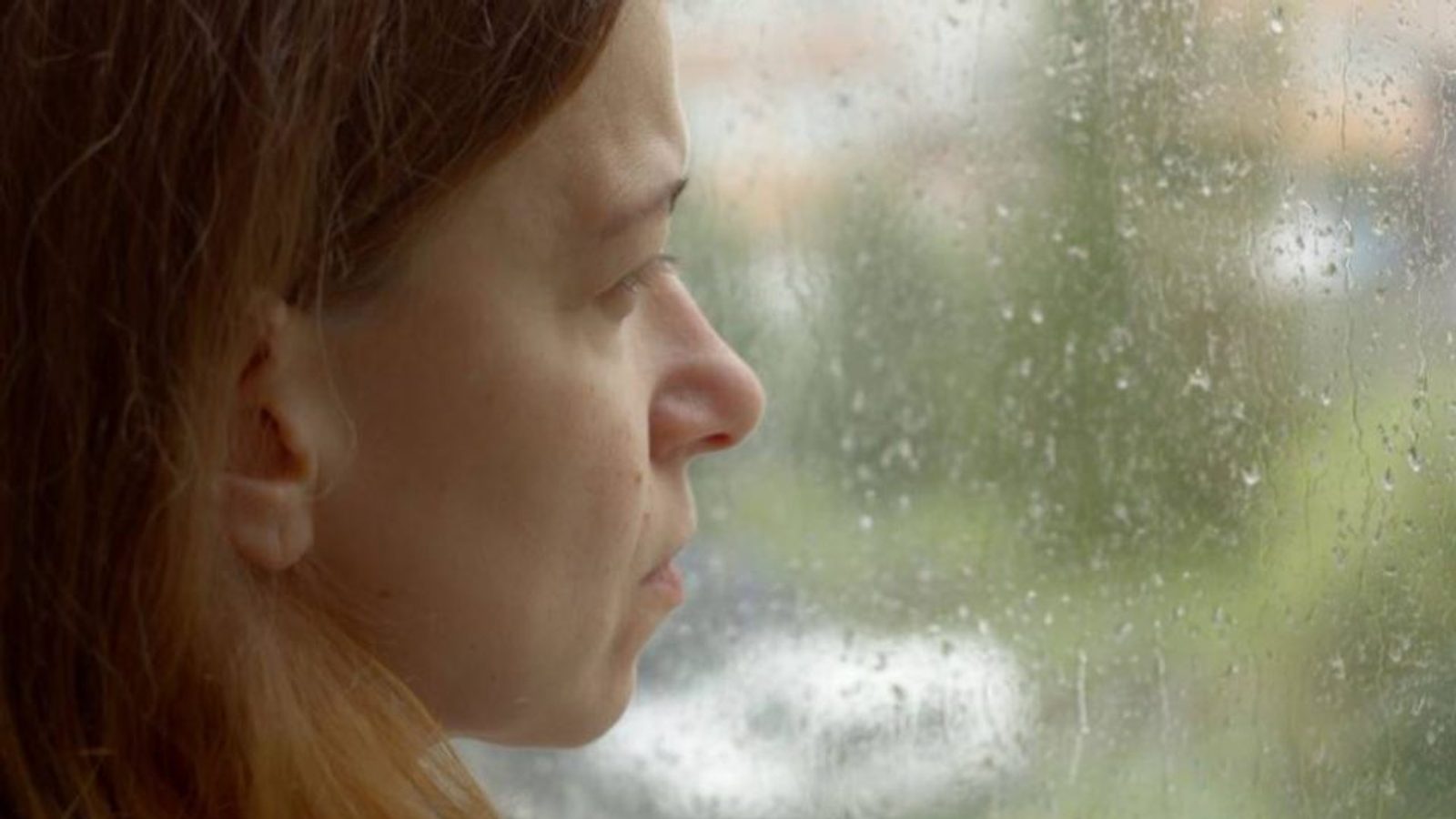
On World Mental Health Day the Chamber of Psychologists of the Republic of North Macedonia urged citizens, institutions and decision‑makers to pause at 10:10 a.m. and reflect on mental health with the simple question: "How are you, really?"
The Chamber warned that mental health must not be treated only in moments of crisis. Instead, it said, wellbeing is built every day within families, schools, workplaces and the health system, and society should create conditions for timely support before people reach burnout or exhaustion.
Policy, schools and workplaces
The Chamber appealed directly to policy makers to ensure more accessible services, preventive programmes and a sufficient number of qualified professionals. It called on educational institutions to give greater attention to the psychological wellbeing of children and young people so schools become places where children know who to turn to, not only places where problems are reported.
Addressing employers and managers, the Chamber warned that care for mental health is not a once‑a‑year team building or a motivational poster on the wall; it is visible in realistic workloads, in how people are spoken to, and in allowing employees to say they cannot continue without fear of being labelled weak or incompetent.
Prof. Dr. Eleonora Serafimovska, president of the Chamber, spoke to Telma about myths versus reality in mental‑health care. She translated the common misunderstandings into practical advice: "It is most often assumed that you go to a psychologist only when you can no longer cope, but you go to a psychologist when you would like to talk about an important decision in your life, to better understand why you function or think the way you do. Another myth is that going to a psychologist is a sign of weakness; maybe not as much as before, but it is still believed that a person should cope alone. Recognising that some things we cannot solve is an act of courage," Serafimovska said.
The Chamber also highlighted caregivers — health, social and pedagogical workers, psychologists and teachers — reminding them that they too have the right to be exhausted and to receive support: helping others does not mean having to carry everything alone. The message closed with a call for openness: societies that care for mental health do so daily, not only once a year.
Photo: press material from the event