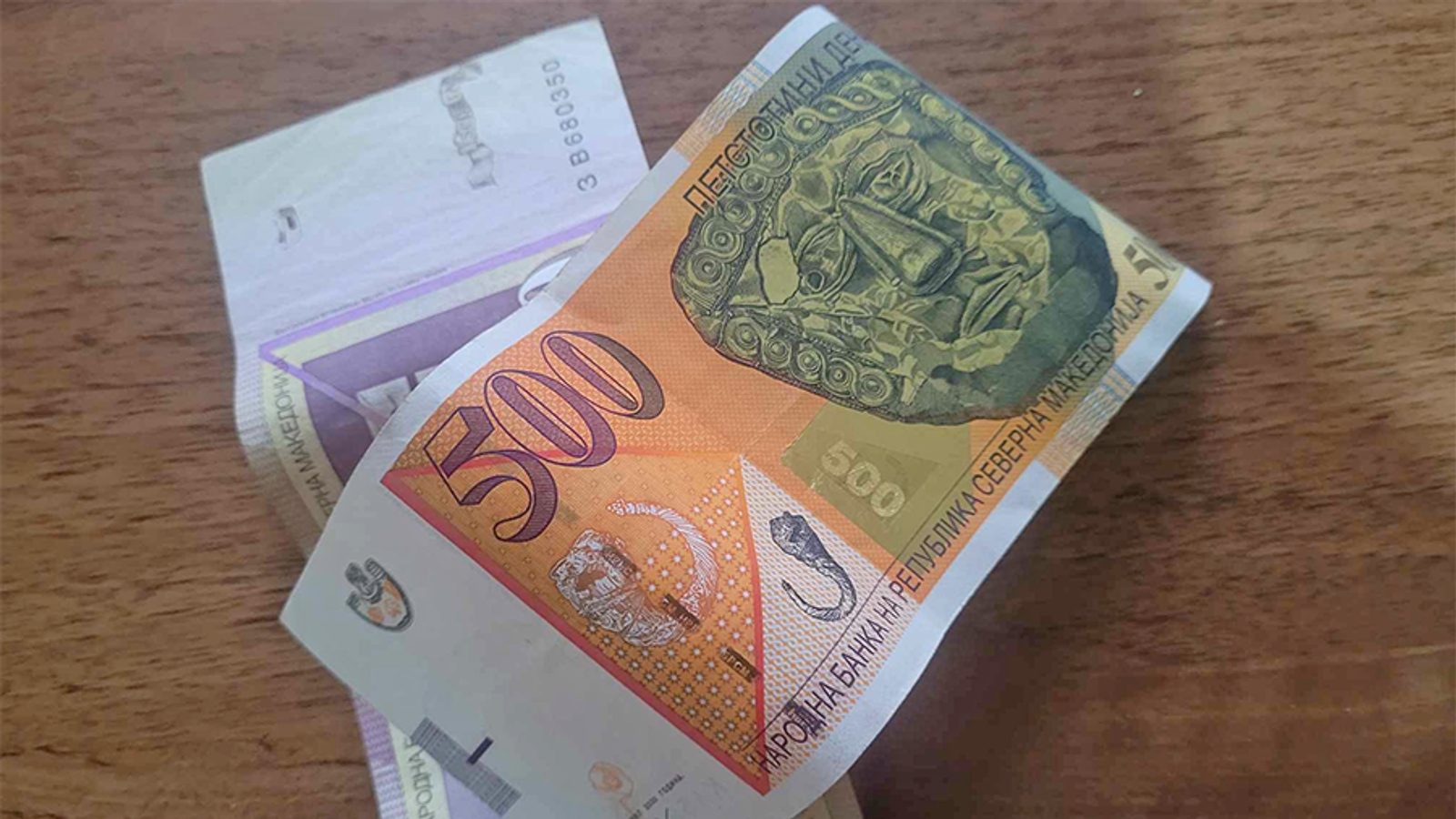
Fuel prices cut: diesel down 3.5 denars, petrol 2 denars from Nov 24
New regulated prices lower Eurodiesel to 88.5 denars and Eurosuper 95 to 82 denars per litre, effective 24 November.
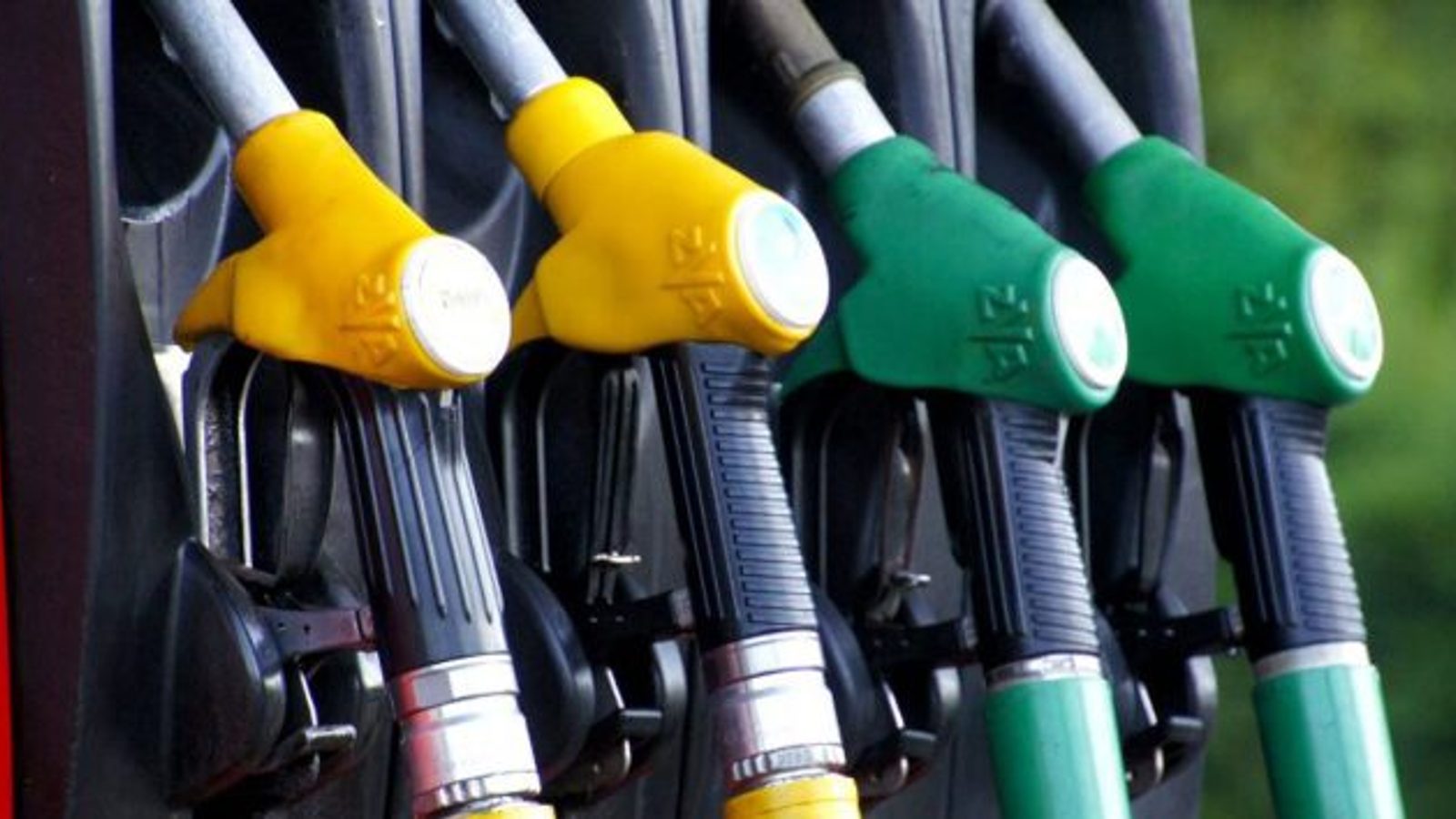
The Energy Regulatory Commission has approved a new price cut for fuels that takes effect on 24 November, one minute after midnight. Diesel will fall by 3.5 denars per litre while petrol grades will be reduced by 2.0 denars per litre.
With the change, a litre of Eurodiesel will cost 88.5 denars, Eurosuper 95 will be sold at 82 denars per litre and Eurosuper 98 at 84 denars per litre. Extra-light heating oil for households is also cheaper by 2.5 denars and will be priced at 98 denars per litre.
Why prices moved
The regulator says the average retail reduction for petroleum products is 2.28 percent. The recalculation took into account the recent decline in crude oil and fuel quotations on global exchanges, together with domestic measures that lower VAT on diesel and reduced excise duties on both petrol and diesel.
Despite the fall in crude oil quotations, diesel remains relatively expensive because of limited supply and setbacks in refining capacity. Analysts point to disruptions in Middle East refining and attacks on energy infrastructure as reasons the diesel market is tighter than crude alone would suggest.
On international markets, Brent crude has fallen by more than 20 percent since the start of November and traded at roughly $92.7 per barrel on Monday morning, while US crude was near $83.6 per barrel. Diesel on the European market is quoted at about $160 per barrel — around 25 percent below September’s peak but still nearly double levels seen at the start of the year.
Additional pressure on supplies comes from reduced global seaborne diesel flows, averaging about 6.2 million barrels per day so far this year compared with roughly 7.4 million b/d in 2025, and from disruptions to shipments through the Strait of Hormuz, where daily flows through the waterway declined from about 12.2 million barrels in October to roughly 9.5 million in the first 19 days of November. Any further interruptions in transit could push derivative prices higher and reverberate through transport, agriculture and industry.
Photo: press material from the event