Constitutive session in Belgrade: Student List 140, SNS 103 — end of the Vucic era
The new assembly gives the Student List a 140‑MP majority and ends Aleksandar Vucic’s 14‑year dominance, but inexperience and possible obstruction pose early challenges.
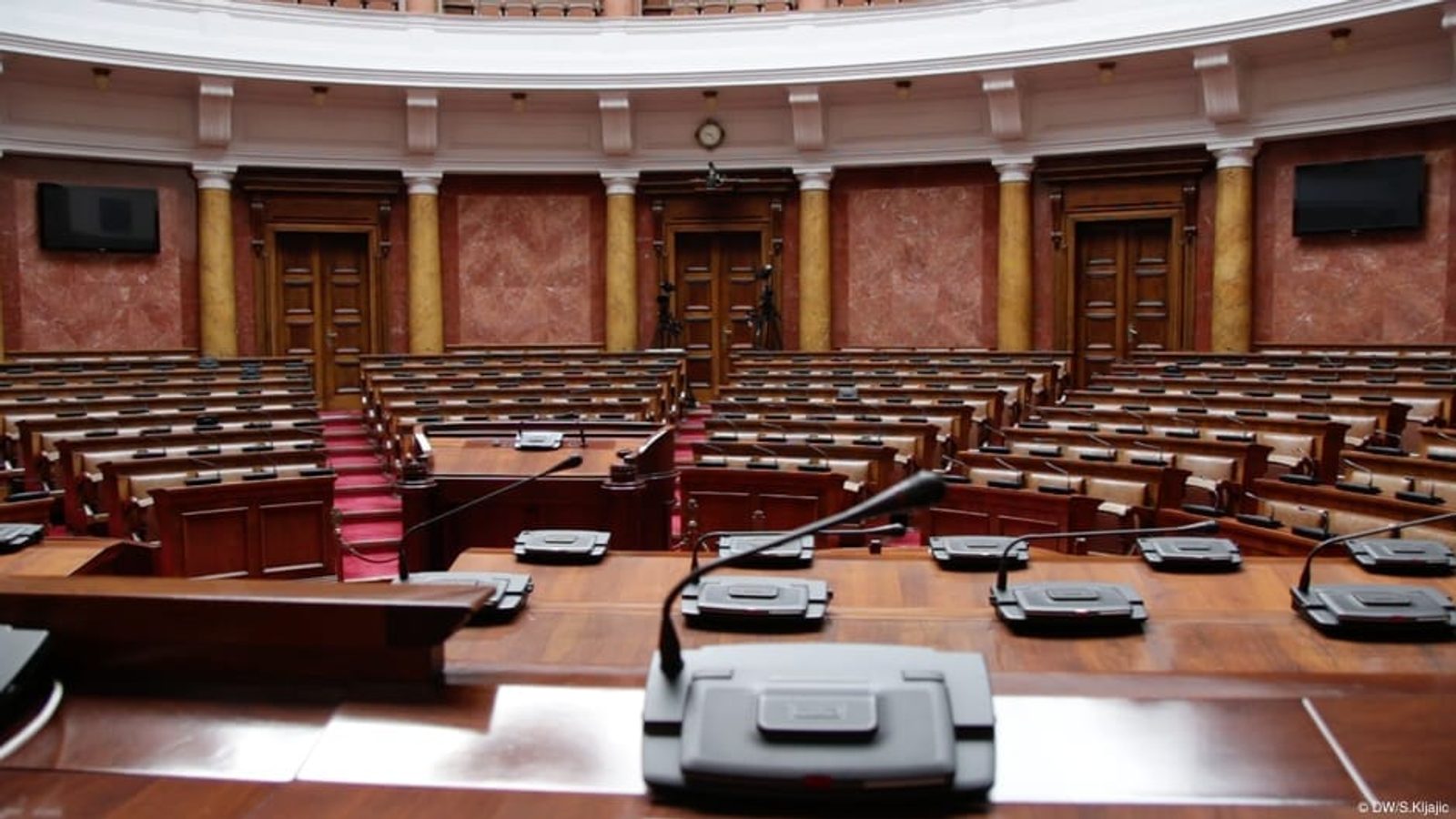
The constitutive session of Serbia's new parliament marks a clear break with the past: the Student List has emerged as the dominant faction with 140 seats, while the Serbian Progressive Party (SNS) holds 103. The new composition follows the early parliamentary elections and signals the end of Aleksandar Vucic's 14-year rule.
New power balance, new tests
For many observers, the most striking change is not only the numerical majority but the profile of the incoming lawmakers. The Student List is largely composed of people without prior professional political careers, raising questions about how they will handle seasoned SNS operatives with long experience in government and opposition roles.
"The Student List has a great responsibility, but also the mechanisms to carry out the decisions it wishes," said Radomir Lazovic, a two‑term member of the Serbian parliament. "I think it will be interesting to follow not only what laws they pass, but also how they open up the parliament, which is truly at a historic low. SNS tried in every possible way to stifle debate and reasoned discussion, but now they no longer have that control and it seems to me that the Student List has a strong chance to establish a new era in the parliament's work."
Political consultant Dusan Milenkovic expects a restoration of balance in the assembly. "Now we have two powerful actors who can significantly influence the work of the parliament. When I say significantly, it depends on whether they have good or bad intentions," he said, adding that he generally anticipates a return of democratic culture in the institution.
At the same time, doubts remain about how constructively SNS will act from the opposition benches. Aleksandar Vucic, who has announced he will lead the SNS parliamentary group, declared they will "behave as a responsible and strong opposition, be a source of stability in the parliament and a voice of free Serbia." Critics note that during its time in power SNS often used heavy-handed tactics, and some warn the party could attempt obstruction from its new position.
Radomir Lazovic has gone further, suggesting that the new majority may have to consider restrictions on SNS because of alleged abuses. "The connection with misuse of the security services that monitored political opponents, entered their apartments and installed spyware on phones, all of that speaks of major abuse of the state and institutions and it is hard to talk about SNS as some regular opposition," he warned.
Milenkovic also pointed to procedural tools that the new majority could use to limit obstruction. He recalled a strict rulebook adopted in 2012 intended to contain unruly opposition behavior — a set of measures that helped previous majorities control parliamentary blockages but which critics say push the limits of democratic practice.
Photo: press material from the event