COP31 in Antalya: Can the world move beyond fossil fuels?
Delegates gather in Antalya from November 9–20, 2026 amid rising emissions, extreme weather and contested climate finance.
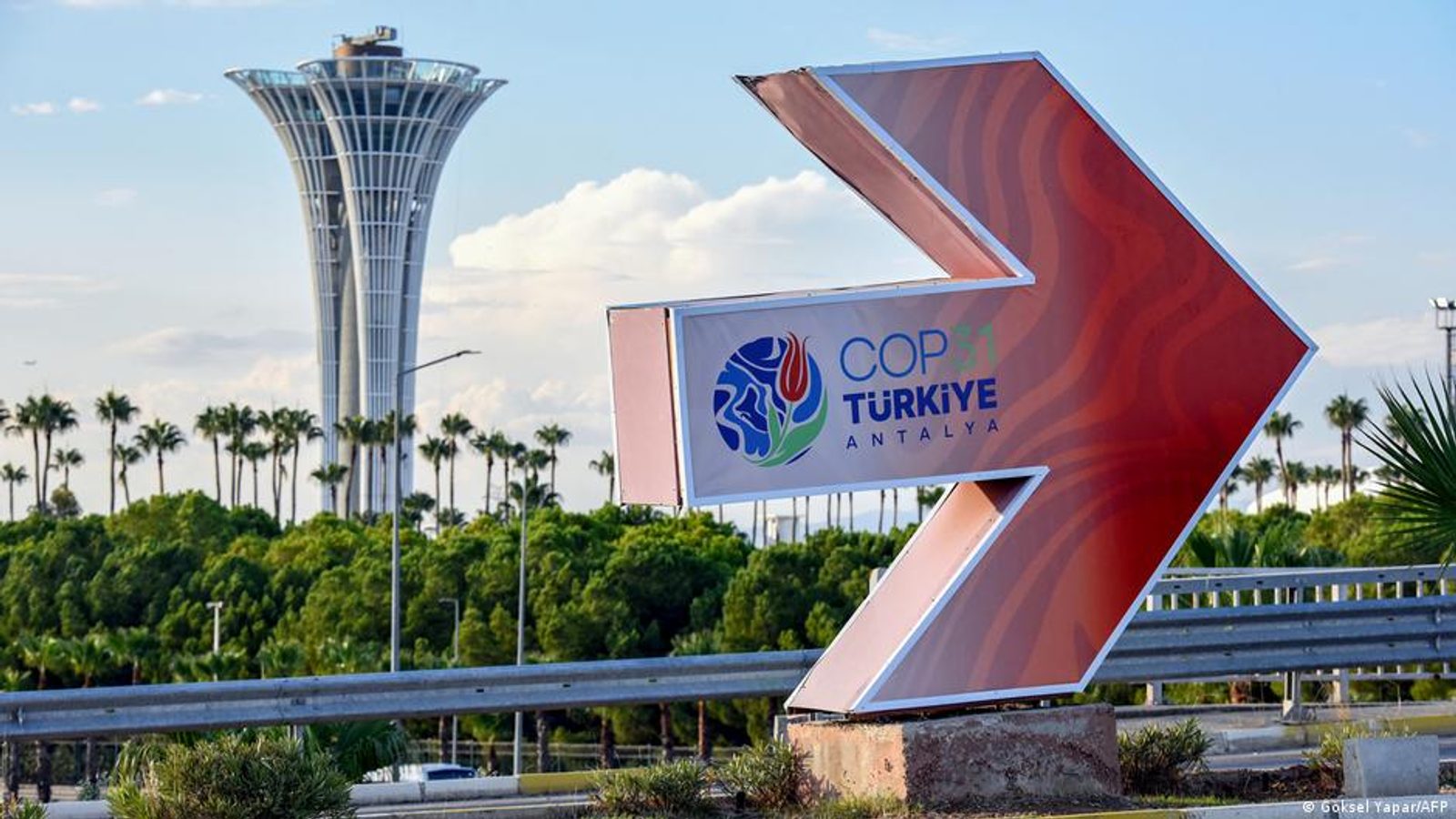
Delegates from nearly every country will meet in Antalya from November 9 to 20, 2026, for the UN climate talks known as COP31. The Turkish host and the Australian presidency have framed the summit with a glossy image of a modern, climate-aware Antalya; political realities and growing climate extremes make the negotiations likely to be far tougher than the promotional material suggests.
Across Europe and beyond the past summer delivered heatwaves, droughts, wildfires and record-low river levels. In late August, sudden floods from landslides and melting ice in Nepal and Tibet destroyed villages and left more than 1,400 people dead and thousands missing — events that climate scientists link to warming and glacier melt. At the same time, global CO2 emissions continue to rise and the UN has concluded that limiting warming to 1.5 °C above pre-industrial levels is no longer possible.
David Victor, a climate expert at the University of San Diego, says the Paris Agreement helped reduce an expected warming trajectory — from roughly 3–3.5 °C down to projections near 2.6 °C if current pledges are fully implemented — but that the summit should not be expected to deliver a breakthrough. "There is no doubt that we can do more," he says, while warning that the UN process can be blocked by single states because decisions require unanimity. He likens the negotiations to "a huge Christmas tree" heaped with ornaments until it groans under the weight, and adds: "We must acknowledge the reality, that this is just a forum where people talk about certain issues."
Smaller coalitions, bigger results?
Victor and other analysts point to an alternative path: coalitions of willing governments, companies and sector actors — so-called "climate clubs" — may push faster, concrete change in aviation, shipping and electrification than a single UN text can. An example cited ahead of COP31 is the April conference in Santa Marta, Colombia, where Colombia and the Netherlands invited representatives of 57 countries and key sectors to discuss ways to move away from coal, oil and gas.
Host countries Turkey and Australia have emphasized green industrialization and an accelerated roll-out of clean energy. One target under discussion is increasing the share of electricity in global final energy consumption to 35% by 2035, up from roughly 20% today. An International Energy Agency analysis suggests that faster electrification could cut energy import bills for fuel‑importing countries by more than $400 billion by 2035 compared with 2025 levels — a proposition that appeals to import-dependent economies including Germany and the EU.
At the same time, political and economic resistance remains. Germany and the EU have voiced support for a stronger push to phase out fossil fuels, while oil producers such as Saudi Arabia have repeatedly blocked final texts in past UN meetings. China, despite expanding renewables capacity, may also oppose external pressure on its national energy decisions.
Finance for adaptation and loss and damage is another central fault line. At climate talks in Baku in 2024, industrialized countries agreed to provide at least $300 billion annually for climate finance by 2035, but where the funds will come from remains contested. Germany cut its international climate finance allocation in the 2025 budget to €4.7 billion from €6.1 billion in 2024. "The level of financial support for developing countries today is far from what would be necessary," says Jan Kovalcig, a climate expert at Oxfam Germany, warning that missed pledges erode trust and diplomatic leverage.
For some observers, a successful COP31 would not be a single sweeping treaty but clear political will translated into specific measures: accelerated investment in grids and storage, removal of regulatory barriers to electrification and operational cooperation among governments and private actors. Kosima Kassel of the independent research group E3G suggests that Turkey’s emphasis on electrification could become a practical test case — but stresses that outcomes in Antalya will depend on whether negotiators turn high-level pledges into measurable actions.
Photo: press material from the event