Korunovski: Macedonia has exceptional resources, but tourism products lag behind
At the public debate on the draft National Tourism Strategy 2027–2032, experts urged better product quality, sales channels and seasonal dispersion.
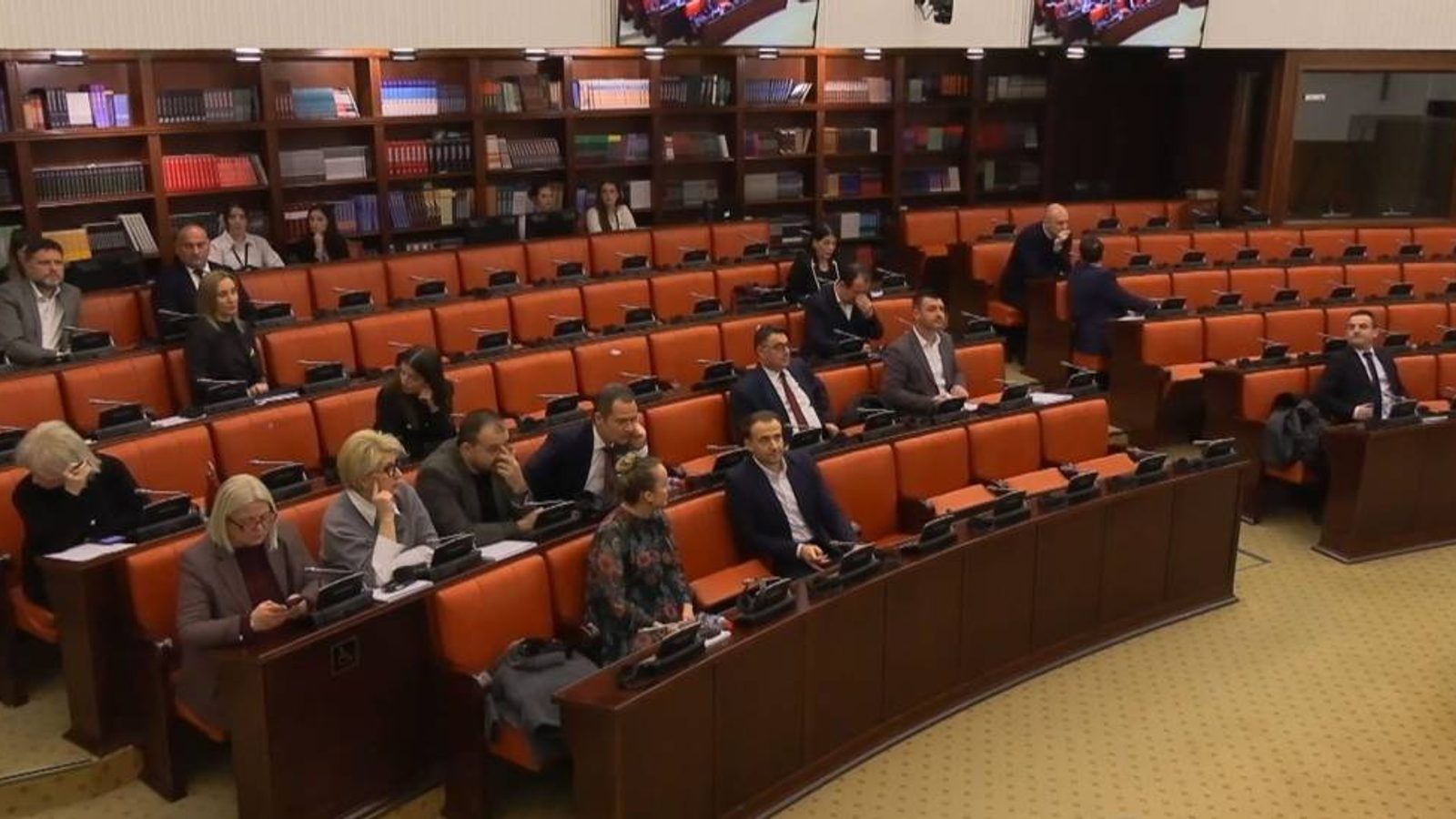
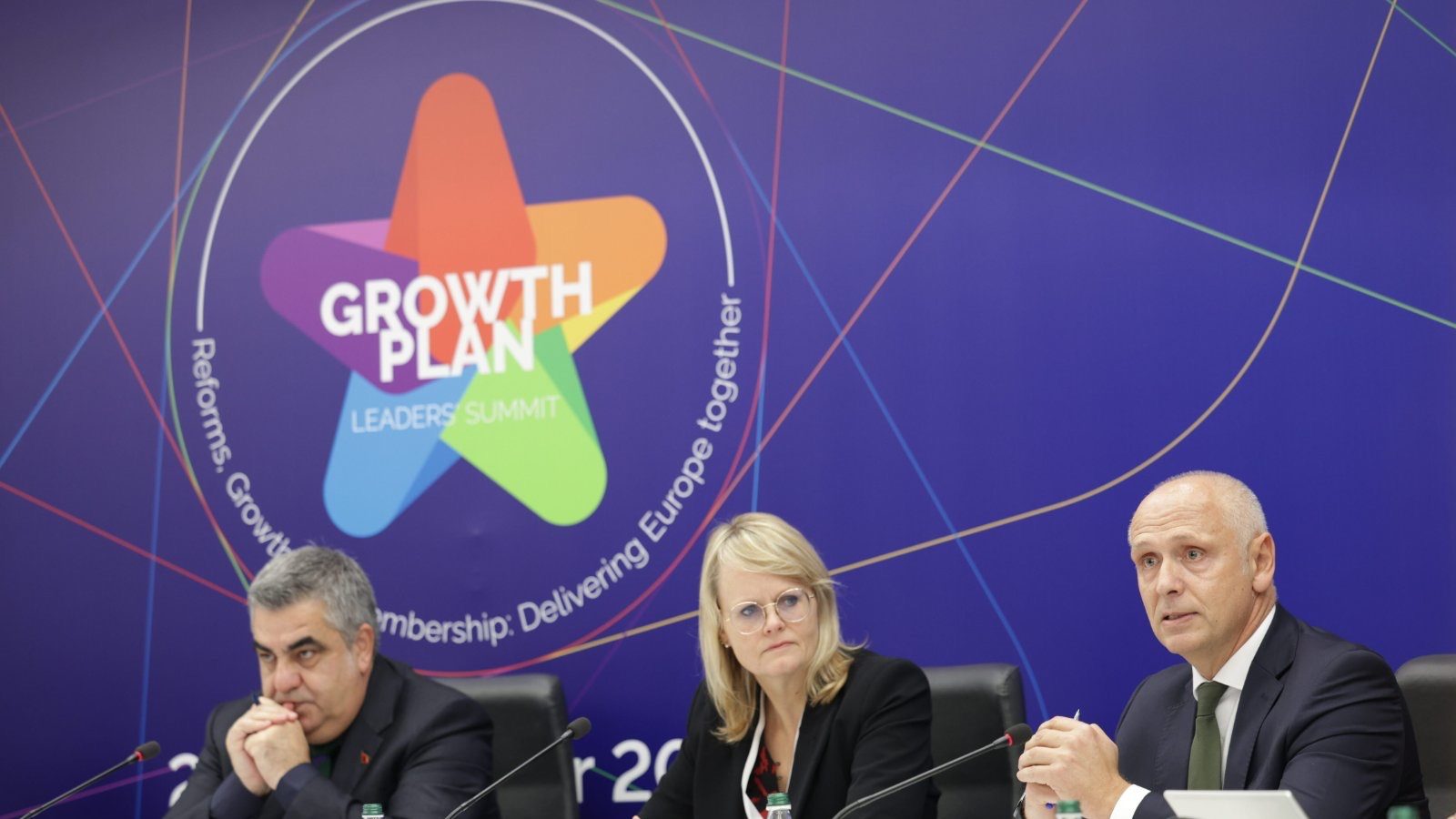
The Ministry of Culture and Tourism held a public closing debate on the draft National Tourism Strategy 2027–2032, where experts, local officials and industry representatives exchanged proposals and recommendations for the sector's future direction.
Four strategic pillars and immediate gaps
Prof. Dr. Sasho Korunovski from the Faculty of Tourism and Hospitality – Ohrid emphasized that Macedonia possesses outstanding natural and cultural assets but warned that the country’s tourism products do not match those resources. "The quality of tourism products must be raised, because Macedonia has exceptional resources, but the products do not follow them. There must also be the possibility for sale and booking so they can reach the market," he said during his presentation of the draft strategy.
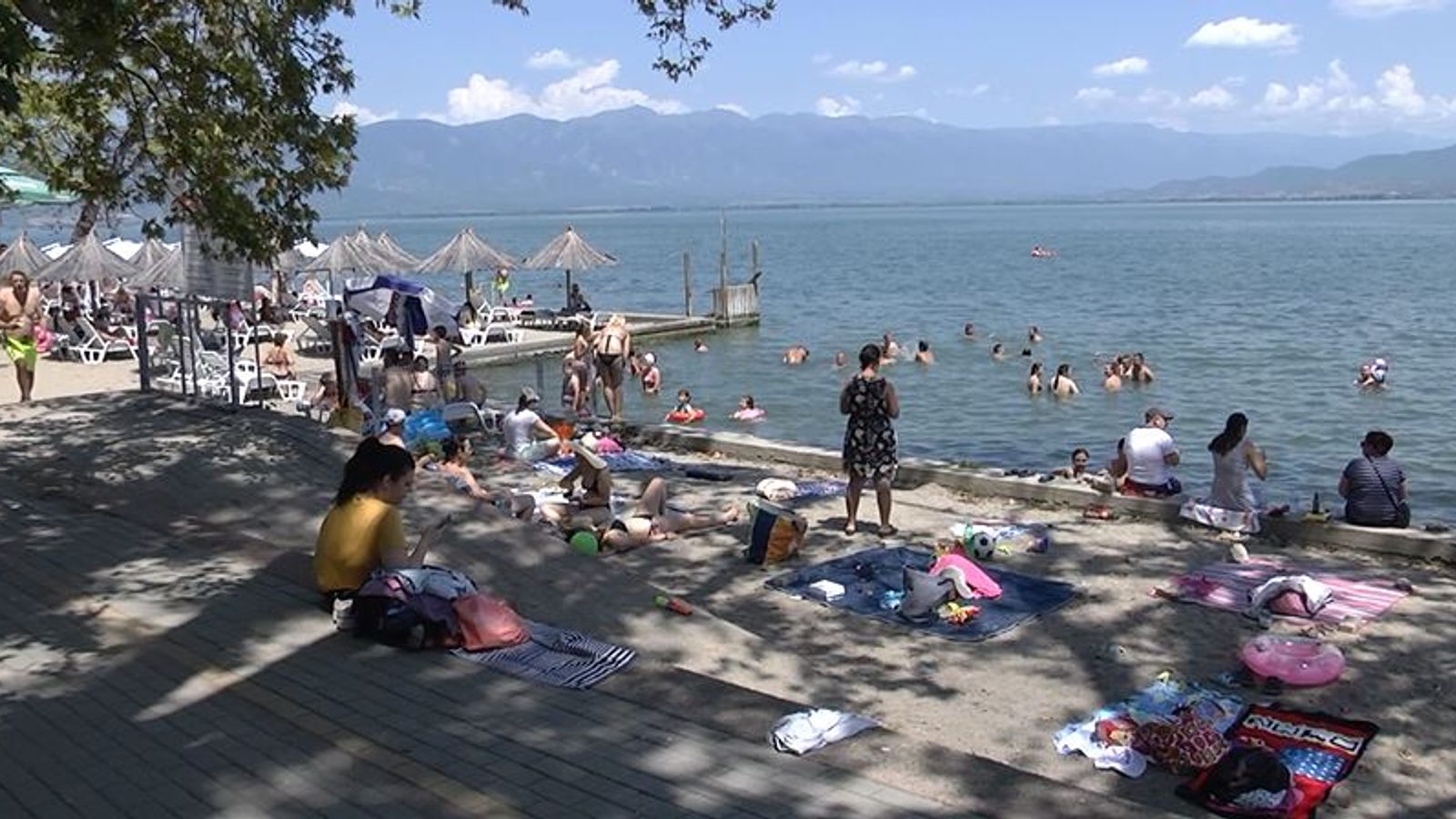
Korunovski underlined the need for better institutional coordination and for tourist flows not to remain concentrated in a single season or in a few destinations. He argued that success should not be measured only by visitor numbers but also by length of stay: "More often we say yes, we have an increase in the number of tourists, but it is much more important to have an increase in length of stay. So that tourists remain longer."
He also addressed air connectivity. "We hear about new air routes every day. This strategy foresees that annually a proposal should be made to the Ministry of Transport and Communications, based on market research, about where new lines should be introduced, rather than the Ministry proposing new air routes according to other criteria," Korunovski said.
Besides product development and transport links, Korunovski pointed to the workforce as a major factor. If wages remain below the national average and jobs are only seasonal without career prospects, service quality will suffer, he warned.
Minister of Culture and Tourism Sedat Sulejmani stressed that implementation will require joint commitment. "Successful implementation of the Strategy will depend on the joint dedication and coordination of all actors, because tourism development is not the responsibility of a single ministry, but requires partnership between institutions, local authorities and the private sector," he said.
The draft strategy is built around four pillars, the most prominent being market alignment — matching supply and demand so that natural and cultural riches are converted into competitive tourist experiences. Participants at the debate called for concrete measures to improve product quality, sales and reservation systems, seasonal dispersion and wider geographic distribution of tourism activity.
Photo: press material from the event