Antonio Costa favoured as EU negotiator for Ukraine, sharp divisions over Kaja Kallas
Costa gains support as member states split over Kaja Kallas; leaders in Dublin unlikely to appoint a single representative today.
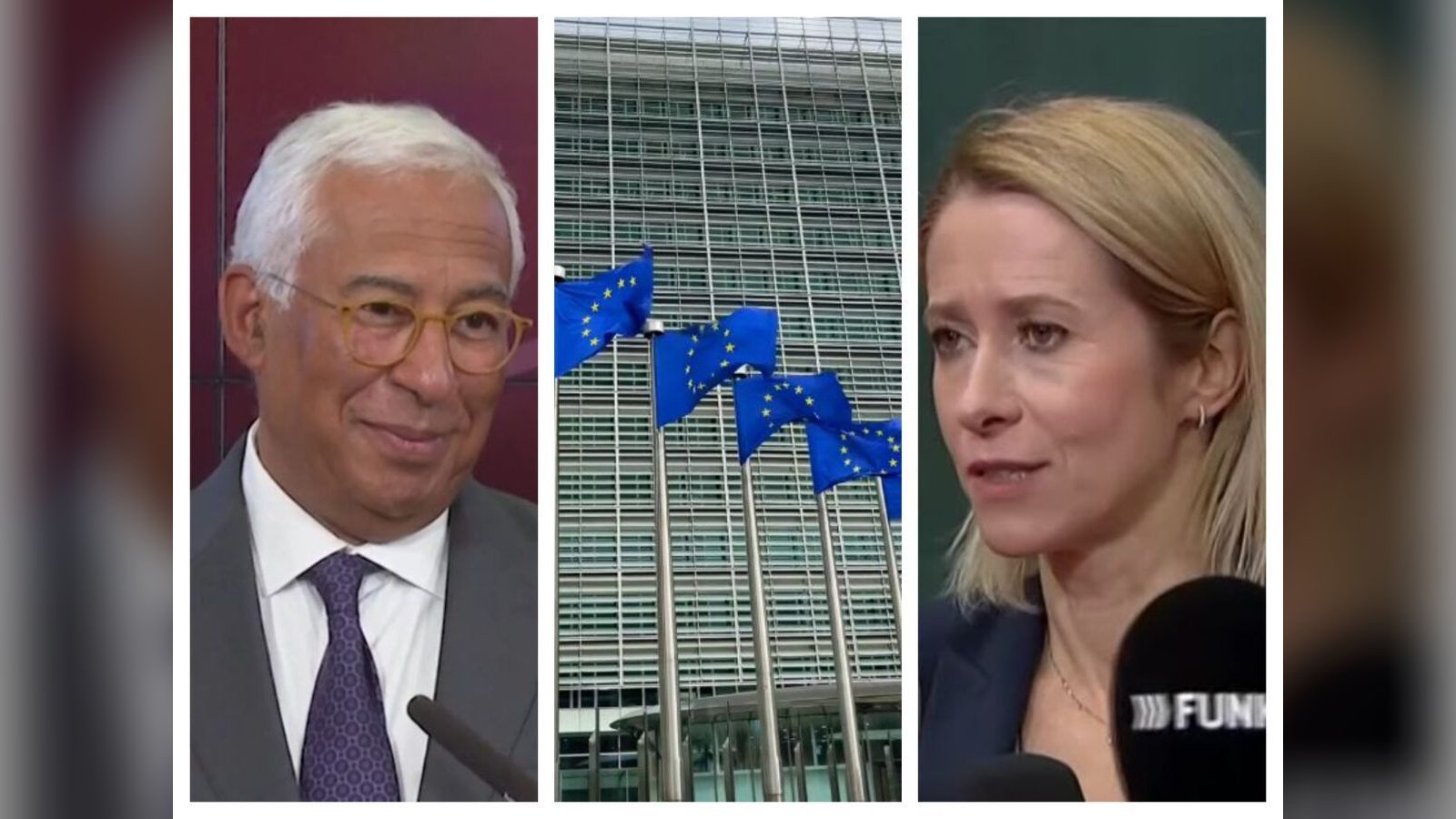
Antonio Costa is emerging as the most acceptable candidate among European leaders to act as a single European representative in talks to end the war in Ukraine, diplomats say. His current role gives him authority to speak for European institutions, and his experience as a former prime minister of Portugal is seen as lending him a measure of political neutrality, one unnamed European diplomat told reporters.
Divisions over Kaja Kallas
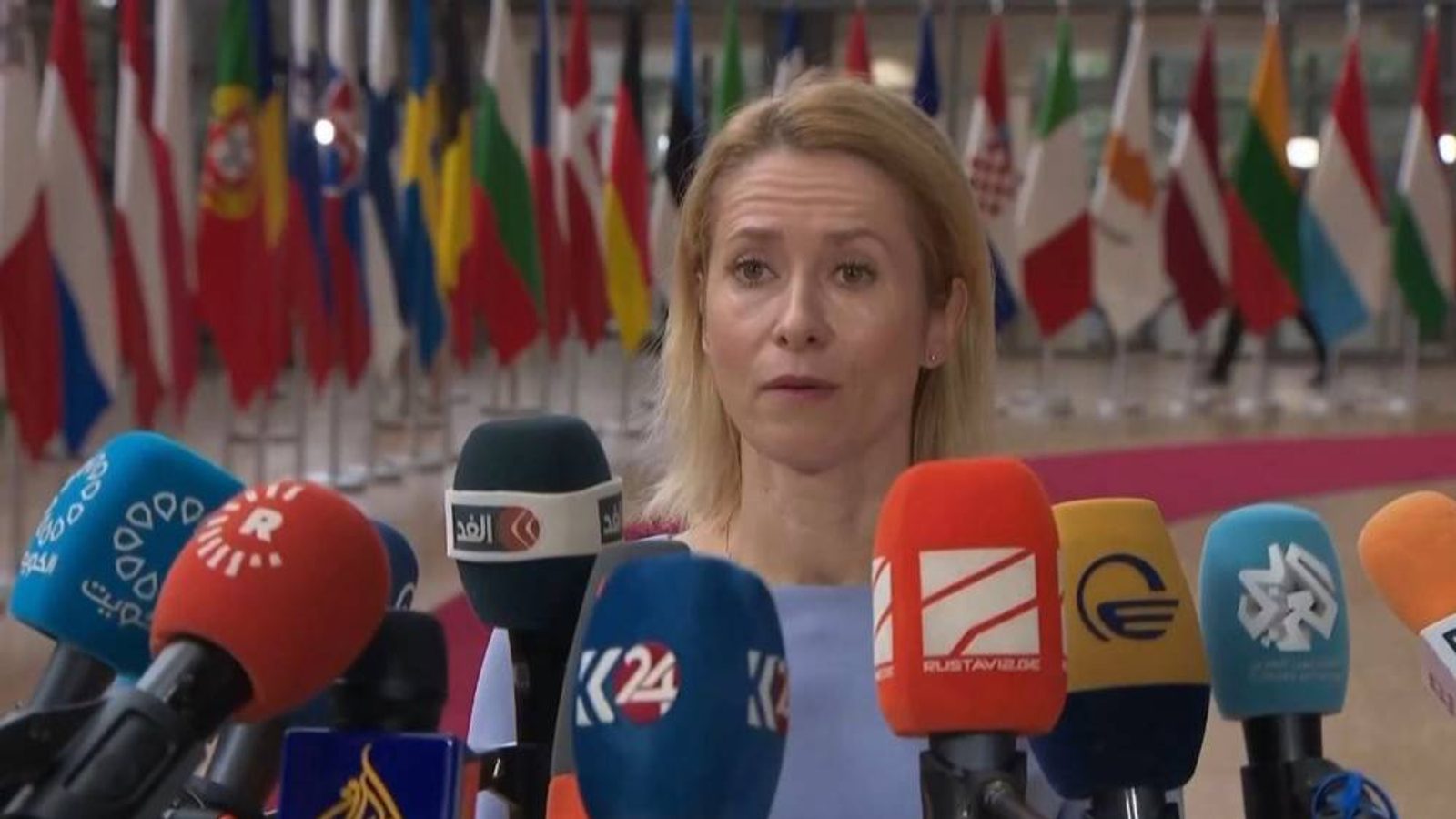
The first public backing for Costa came from Estonian prime minister Kristen Michal, who emphasised that Costa’s mandate would flow directly from the European Council and that he would be accountable to member states. By contrast, the idea of Kaja Kallas acting as the EU’s negotiator has provoked sharp reactions, with some diplomats warning her outspokenly critical stance toward Moscow could make her an unacceptable interlocutor for the Kremlin.
Asked about the prospect of Kallas taking the role, one European diplomat said: "That is a joke, right?" and described her as "probably the worst option you could choose." Other diplomats argue the opposite — that Kallas’s firmness toward Russia could be exactly why she should represent the EU.
"It would make more sense. Putin would do exactly that. He would pick a person the other side would not want to talk to," another European diplomat said.
According to discussions with EU diplomats and officials, member states currently fall into at least three camps: a first group backing Costa; a second, led by Germany and France, reluctant to cede their seats at the negotiating table to an EU institution; and a smaller third group supporting Kallas, primarily the Baltic states.
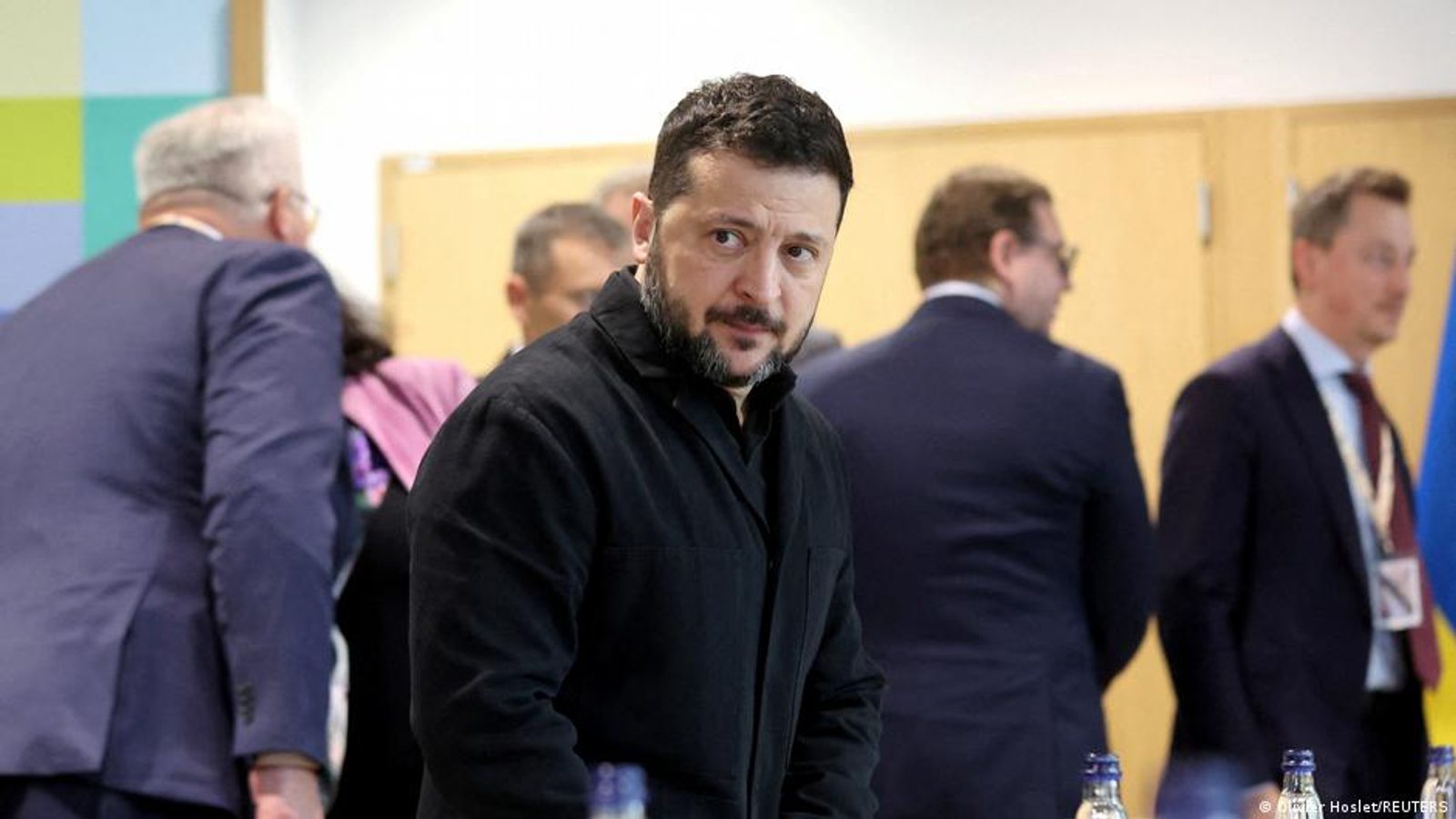
European leaders meeting in Dublin are not expected to formally name a negotiator today, though meetings could produce a broader agreement on how Europe should be represented, a senior EU official said. Ukrainian president Volodymyr Zelensky has urged the European Union to decide quickly who will represent it in the talks.
"I think during November, no later, we must decide who will represent Europe in the negotiations," Zelensky said.
Since the Russian invasion of Ukraine in February 2022, the European Union has shouldered an increasing share of financial support for Ukraine. Nonetheless, the EU has often been sidelined in diplomatic efforts to end the war, unlike the Trump administration in the United States, which alternated between bolstering and pulling back from peace initiatives.
Photo: press material from the event