The End of Scrolling for Kids: France Becomes the First Country in Europe to Fully Ban Social Media for Under-15s
No new accounts from September, existing ones shut down from January 2027 — and every user will have to prove their age.
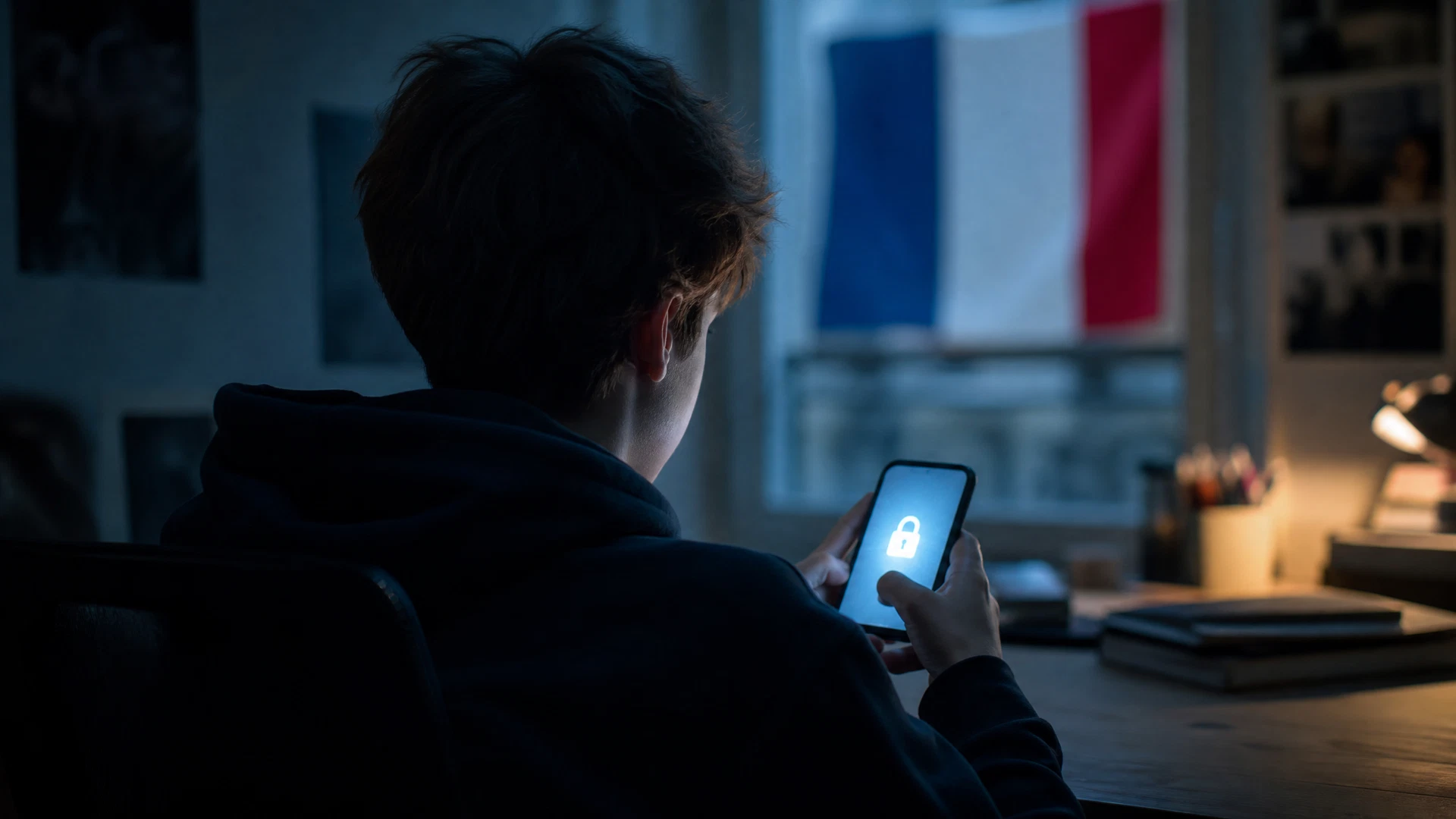
France made history on Tuesday as the first country in the European Union to introduce a full ban on social media for children under 15. Both chambers of the French Parliament passed the final text by overwhelming margins — the Senate voted 243 in favor with only 2 against, and the National Assembly 279 to 81.
The ban will be rolled out in two stages. From September 1 this year, children under 15 will be blocked from creating new social media accounts. From January 2027, the ban extends to all existing accounts — platforms will have to suspend or delete accounts belonging to users under the age limit.
The burden of enforcement falls squarely on the tech giants, which will have to introduce age-verification tools for all users. 'For four months, all of us in France will have to prove our age. If someone is under 15, the account will be closed,' explained Digital Minister Anne Le Henanff, who wrote on the eve of the vote that France was becoming 'the first country in Europe to introduce a digital age limit to better protect our children online.'
President Emmanuel Macron, whose flagship initiative the law is, declared triumphantly: 'France is leading the way in Europe in protecting our children and our teenagers. We will keep on going.'
The authorities' concern is not unfounded. According to France's health watchdog, one in two teenagers in the country spends between two and five hours a day on a smartphone, 90 percent of children aged 12 to 17 use a phone daily to access the internet, and 58 percent use it for social networks.
The law also includes a ban on mobile phones in high schools, while educational platforms and online encyclopedias are exempt. Parents' associations welcomed the law: 'We have no other option, no other way to counter tech giants. The only thing we can do is protect our children, just as we protect our children from drinking alcohol,' said advocate Gaëlle Berbonde.
Still, experts warn that enforcement will not be simple. The child-protection organization e-Enfance points out that it remains an open question how existing accounts belonging to minors will be identified and suspended. With this step France joins Australia, which introduced a similar ban for under-16s last year — and Brussels is watching closely to see whether the French model becomes the European standard.