Why Crimea became a strategic target in the Ukraine war
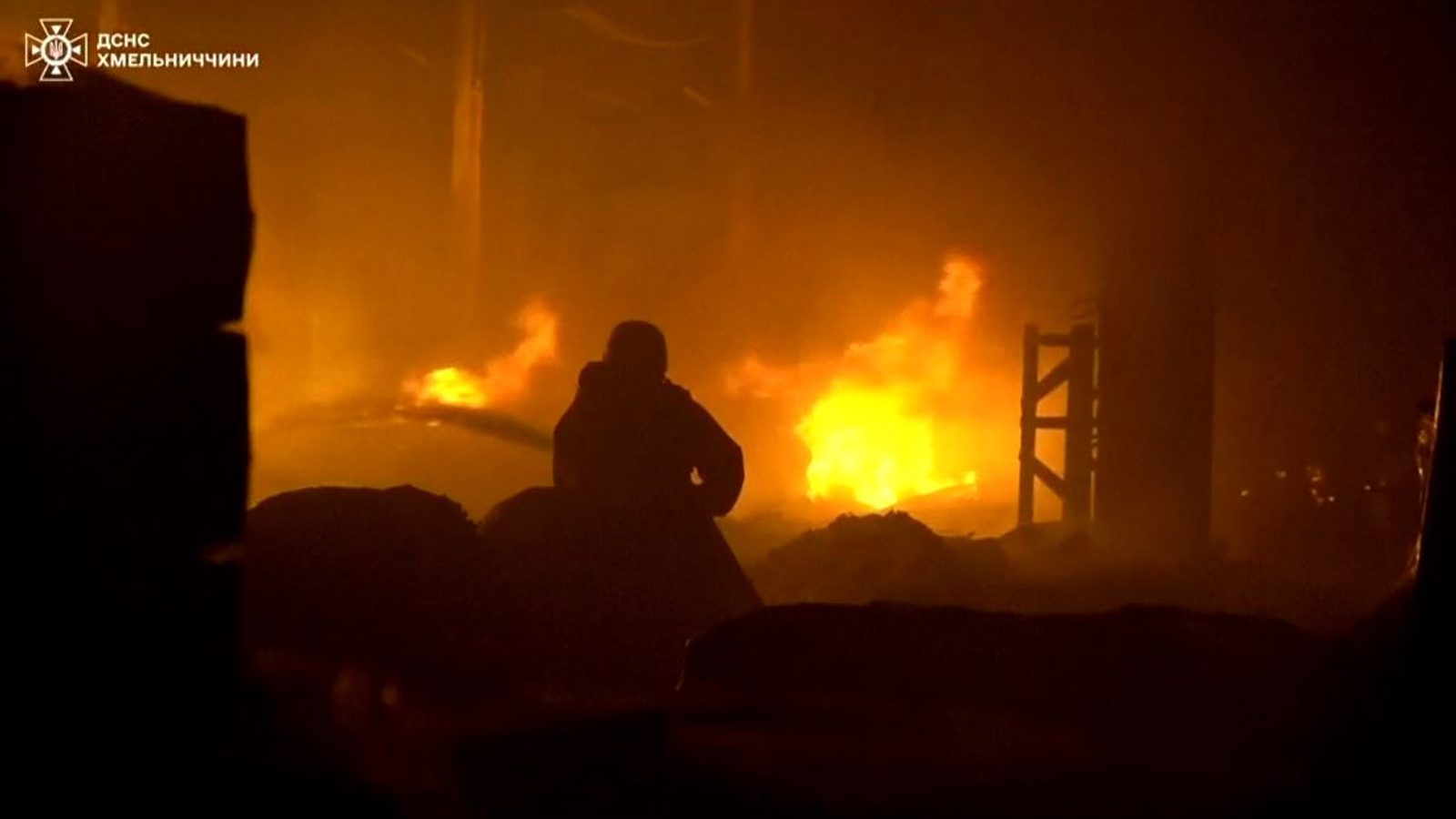
Ukraine is striking logistics and energy targets to cut off supplies to Russian forces in Crimea, a campaign that is already disrupting services for residents and may intensify with colder weather.
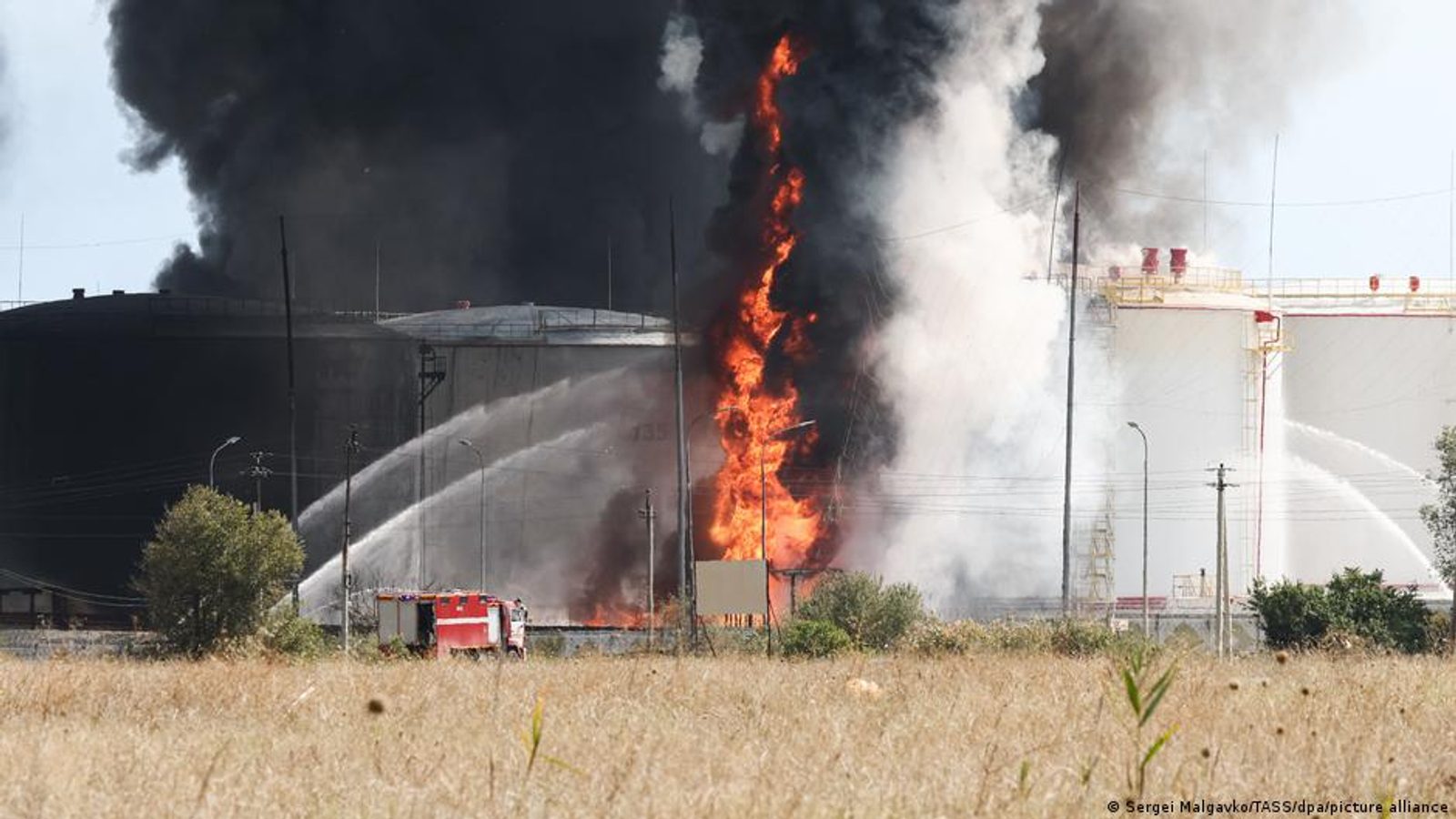
Dateline: August 4, 2026 — Ukraine has stepped up attacks on Russian logistics and energy infrastructure linked to the occupied Crimean Peninsula, aiming to choke supply routes that sustain Russian forces and the local population.
What Kyiv is targeting and why
Ukrainian forces have increased strikes using long‑range drones and sea raids against transports on the M14 highway between Rostov‑on‑Don and Melitopol, against small tankers and boats supplying fuel to Crimea, and against power facilities that feed military sites. Robert "Magyar" Browdy, commander of Ukrainian drone forces, claimed that 196 Russian ships and more than 100 energy facilities were hit in the past month; his figures could not be independently verified.
Officials and analysts describe the campaign as an effort to isolate Crimea from land and maritime supply lines while keeping the Kerch Bridge intact as an evacuation corridor for civilians. Browdy said the bridge should remain so "people will be able to flee Crimea" and that the objective is not to destroy it but to sever supplies and reinforcements for Russian troops. "We want it to be impossible for the Russian war machine to remain and continue to operate there," he told an interviewer.
Military analysts in Ukraine stress the operational logic: pressuring Crimea degrades Russia's ability to project forces into southern Ukraine. Ivan Kyrychevsky, who serves in a Ukrainian drone unit, argues that blocking sea traffic in the Azov and Black Seas and striking logistics lines complements pressure on front‑line sectors such as Zaporizhzhia.
There are signs that the strikes are already affecting civilian life on the peninsula. Fuel coupons issued at the end of May reportedly expired after 24 hours and petrol began to trade on the black market. Authorities declared a state of emergency in Sevastopol after repeated power, water and communications outages. Residents report shops without refrigeration, disrupted public transport and long power cuts.
Voices on the ground convey the human consequences. A pensioner identified as Nina, who lives near Feodosia in southeastern Crimea, says people cannot cook during blackouts. A man identified as Ivan (name changed by the editorial team) reports shortages of fuel even with coupons or cash and says only police, officials and medical staff were exempt from restrictions. "There are no dairy products, no fish, no meat," Ivan told journalists, adding that only a few shops with generators sell perishables at much higher prices.
Some local volunteer initiatives are trying to fill gaps: blogger Olena Herasymenko has coordinated deliveries of drinking water to hospitals, kindergartens and affected families in Simferopol, and social media users say local authorities’ assistance has been limited. Analysts warn the situation could worsen with cold weather: Pavlo Narozhni, founder of the charitable group Reactive Post, described Crimea as a vast military base long used as a logistics hub for Russian forces; he said many units in Kherson and Zaporizhzhia are highly dependent on supplies routed through the peninsula.
On legal and strategic grounds, Sidart Kaushal of the Royal United Services Institute in London noted that strikes on power plants are not automatically unlawful if the facilities are militarily relevant and targeting complies with proportionality. Some Ukrainian experts insist that the plants hit primarily serve military objects. Ukrainian commanders acknowledge civilian hardship and have urged patience. Browdy apologized directly: "I apologize to the residents of Crimea, Ukrainians, for the current difficulties. They are experiencing restrictions of the advantages they have enjoyed their whole lives — supply of energy, water and communications. But their situation is not worse than that of the people in Kharkiv, Dnipro, Sumy, Zaporizhzhia, Nikopol, Kherson and hundreds of other towns that are targeted on a daily basis."
Photo: press material from the event