Weidel and Wagenknecht criticised in Romania after claims Romanians abuse German welfare
Comments by AfD’s Alice Weidel and Sahra Wagenknecht sparked protests in Bucharest and a joint complaint by Romanian organisations in Germany.
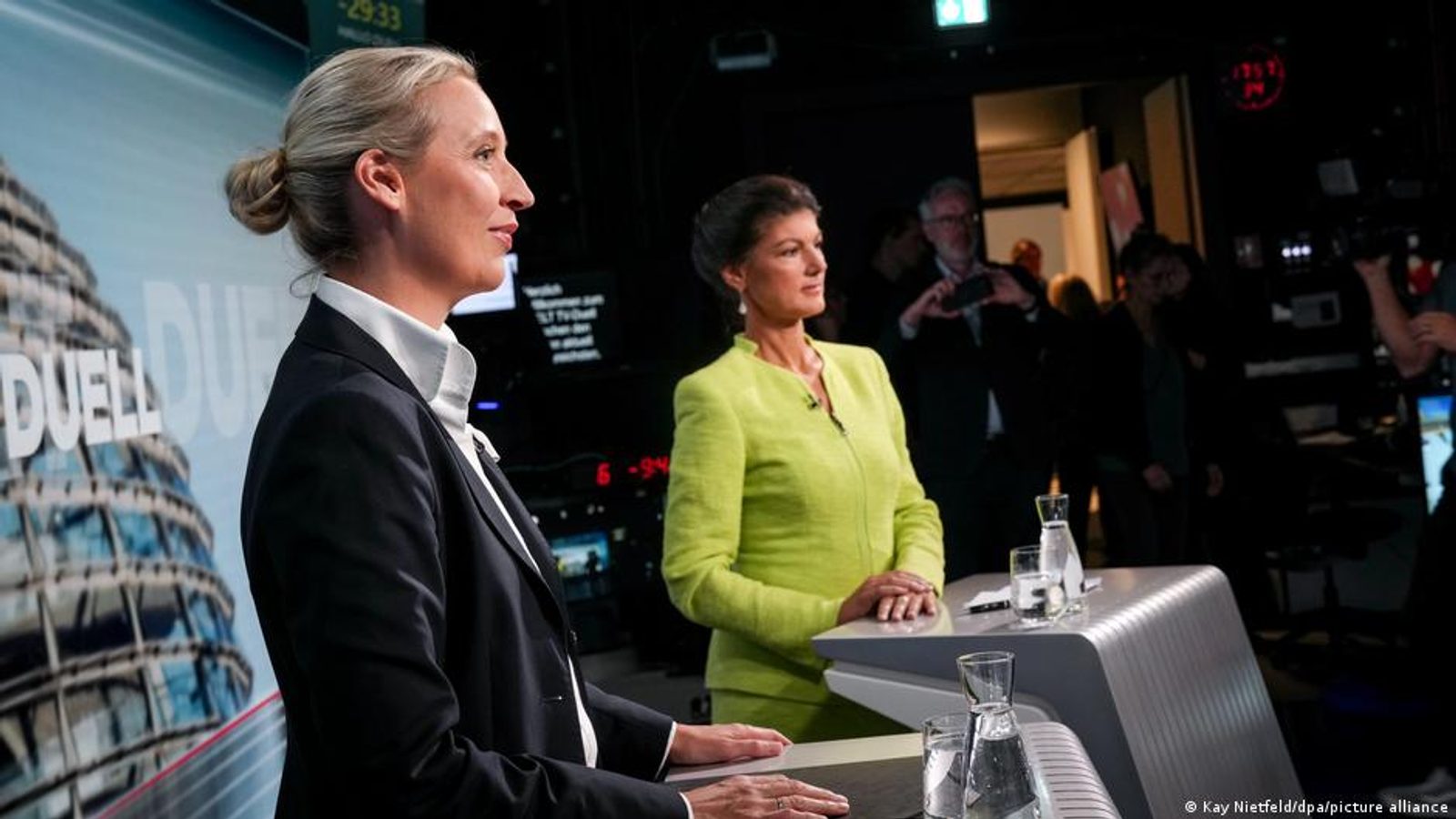
German politicians Alice Weidel and Sahra Wagenknecht have come under fire from Romanian leaders and Romanian community groups after public comments accusing Romanians of abusing Germany’s social-welfare system. The remarks, prompted by a regional MDR documentary, sparked protests in Bucharest and a joint complaint by Romanian organisations in Germany.
Weidel posted on X on 28 October: "Child allowance, basic social assistance, medical care: more and more migrants from Romania are looting our German social system." Two days later Wagenknecht told the Berliner Zeitung: "Politics should again think more about Bitterfeld than about Bucharest. There cannot be child allowance for children who do not live in Germany."
Documentary, reactions and planned protests
The comments followed a documentary by Mitteldeutscher Rundfunk (MDR) titled "Migration of poverty in the EU: is the welfare state at a dead end?", first broadcast on MDR on 4 November 2026 and available on ARD’s streaming service since 26 October 2026. The film showed images of luxury cars and large houses in Romania and alleged misuse of social benefits by Romanian residents in Magdeburg, but did not present conclusive evidence that the people shown had illegally received German social payments.
Romanian officials reacted sharply. Leaders of major Romanian parliamentary parties and the Romanian Ministry of Foreign Affairs publicly criticised Weidel; PSD leader Sorin Grindeanu demanded an apology, while former prime minister and PNL head Ilie Bolojan called the statements "unacceptable." Even the right-wing Alliance for the Union of Romanians (AUR), an AfD ally, described Weidel’s remarks as "false and unfair," and AUR invited AfD representatives to a protest gathering in Bucharest on 14 November — a move that has not been publicly rescinded.
In Germany, 22 Romanian organisations and initiatives issued a joint statement on 8 November 2026 condemning the remarks and announcing plans to file a formal complaint with MDR about the documentary. Among them is the German–Romanian Association. Organisers also demanded corrections and apologies from Weidel and Wagenknecht.
Dominik Fritz, a German-born Romanian politician and leader of the Save Romania Union (USR), published a Facebook video on 3 November 2026 in which he accused Weidel of "cheap incendiary rhetoric" and asked for an apology. Fritz, who has lived in Romania full time since 2019 and until recently served as mayor of Timișoara, told DW that the comments reflect "deep-seated cultural disdain for Romania" and perpetuate stereotypes about Romanians as fraudsters or work-shy.
Romanian community activists in Germany say the public debate ignores broader labour-market facts. According to official figures, of roughly 900,000 registered Romanian nationals in Germany about 520,000 are in employment covered by mandatory social insurance; this excludes self-employed people and those in mini-jobs or seasonal work. The employment rate among working‑age Romanians in Germany is around 76 percent, compared with roughly 70 percent for German nationals and just under 60 percent for all foreign nationals.
At the end of 2025 the Federal Employment Agency reported that about 32,500 Romanian children were eligible for German child benefit (Kindergeld) despite not being registered in Germany — a 5 percent fall compared with 2020. The largest group of child‑benefit recipients living abroad are Poles, at about 112,000. Payments for children living abroad amount to less than one percent of total child‑benefit disbursements; the entitlement to those payments is legal and the headline numbers alone do not prove fraud.
Sevgin Mayr, a signatory of the 8 November statement and a long-time advisor to Romanian workers in Germany, said: "There may be isolated cases of fraud with social contributions. But holding a Romanian passport, by itself, cannot be a basis for suspicion." Mayr and other activists warned that attributing fraud to an entire community sends a dangerous political signal and deepens marginalisation.
Photo: press material from the event