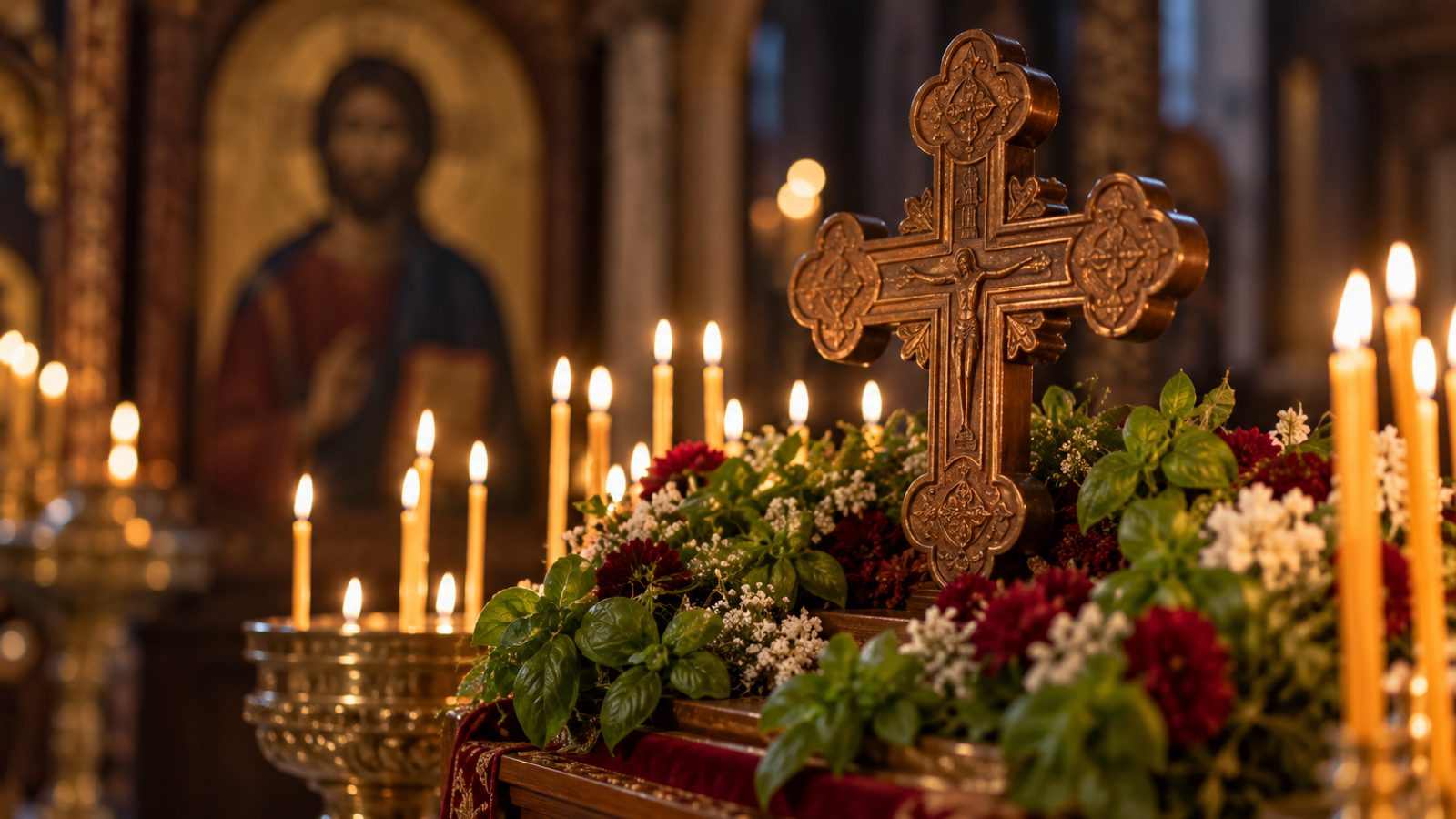
Exaltation of the Cross (27 September): basil, grapes, fast and house rites
On 27 September believers observe a strict fast, bring blessed basil and eat grapes, clean the home and settle debts to enter winter with peace.
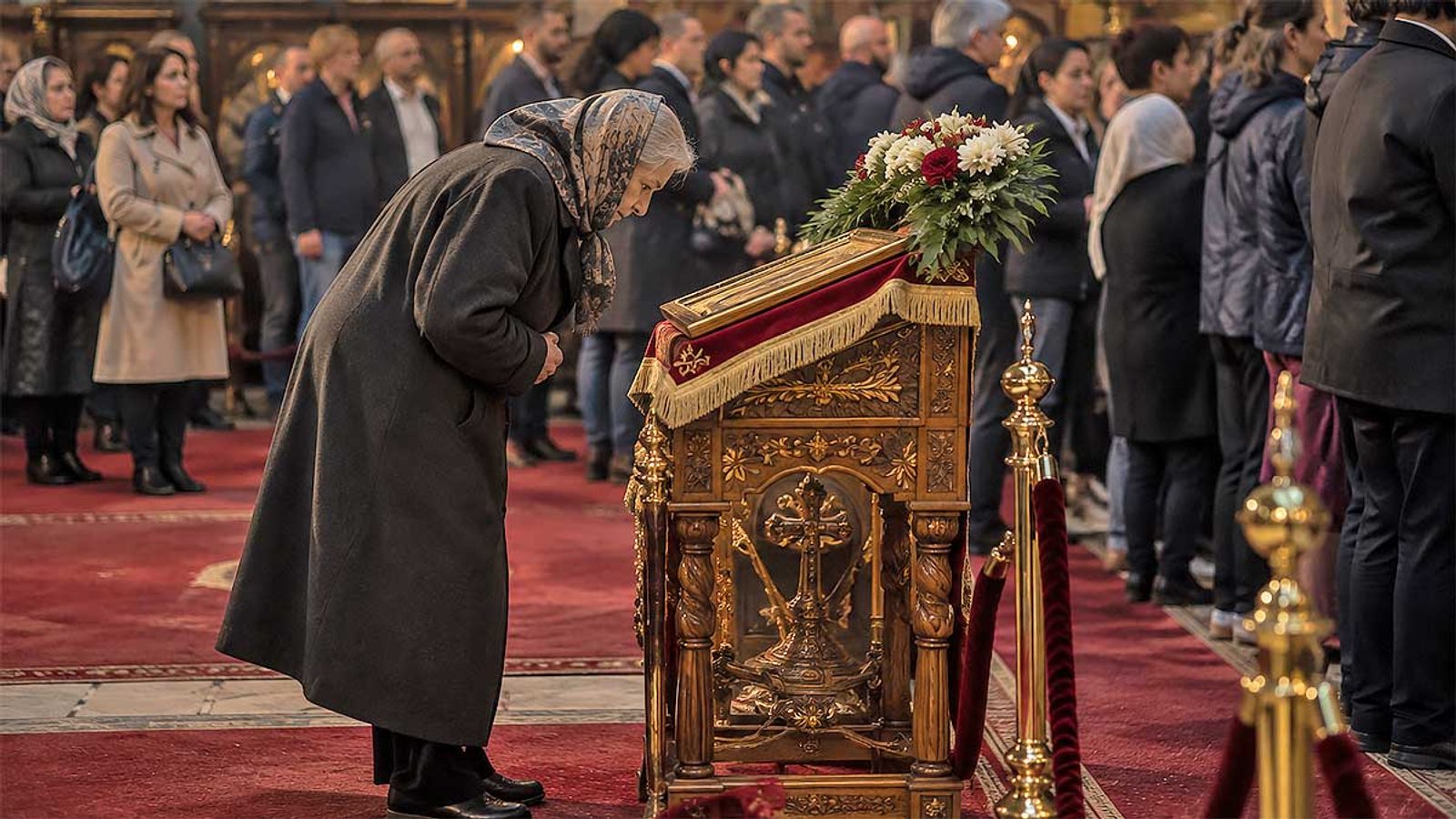
Orthodox Christians mark the Autumn Exaltation of the Holy Cross on 27 September, a red-letter feast that combines strict fasting with household rites: blessed basil and grapes play a central role in popular observance.
Tradition prescribes a strict fast on this day (no oil), although when the feast falls on a Saturday or Sunday the rule is relaxed: oil (olive oil) and wine are permitted, and food may be prepared with oil, while remaining otherwise Lenten (no meat, dairy or eggs).
Many believers bring a sprig of blessed basil into the home because it is thought to protect family members from illness and negative influences and to bring peace. Eating grapes on this day is also customary — for some people the simple meal is bread and grapes — and the fruit symbolizes abundance, sweet victory and fertility.
Unlike other major feasts when household work is forbidden, on Exaltation it is considered important to clean and ready the house for winter. Folk belief warns that if the home is left untidy on this day, everything in the household can go "upside down" for the year. Another widespread custom is to settle debts — both material and moral — so one enters the coming season with a clear conscience.
Origins and liturgical memory
The celebration is tied to events from the fourth and seventh centuries. Empress Helena, mother of Emperor Constantine, is credited with finding the True Cross in 326. According to tradition, Patriarch Makarios raised the cross before the people, who answered with the prayer "Lord, have mercy!". The story says three crosses were discovered; the one that restored life to a dead man and healed a sick woman was recognized as the Cross of Christ. Later the Cross was taken to Persia and remained there for fourteen years.
In 628, after the defeat of Khosrow, Emperor Heraclius recovered the Cross and returned it to Jerusalem. Tradition relates that Heraclius entered the city carrying the Cross on his shoulders but then stood still until he discarded his imperial pomp, took the Cross barefoot and in humble clothing, and placed it in the Church of the Resurrection. The Church's troparion and kontakion for the feast express petitions for protection and victory: "Save, O Lord, Thy people, and bless Thine inheritance; grant victory to our faithful people over their enemies, and by Thy Cross protect Thy habitation." and "Thou Who didst willingly ascend the Cross, grant unto Thy new people who bear Thy name Thy bounties; give strength to Thy devout people, granting them victory over their enemies, having for their help Thy weapon of peace, the invincible victory."
Popular weather lore connected to the day also survives: cloudy skies on Exaltation are said to forecast a snowy, cold winter; clear weather predicts dry frost and drought; light rain promises a mild winter; thunder is taken as a sign of a very fruitful year. If swallows have not yet migrated by this day, folk say a severe winter may not be coming.
Photo: Ilustracija (AI)