Leshok village changing: weekend homes, beekeeping and water strain
The village around Leshok Monastery is expanding with weekend houses and visitors while residents warn of drinking-water shortages.
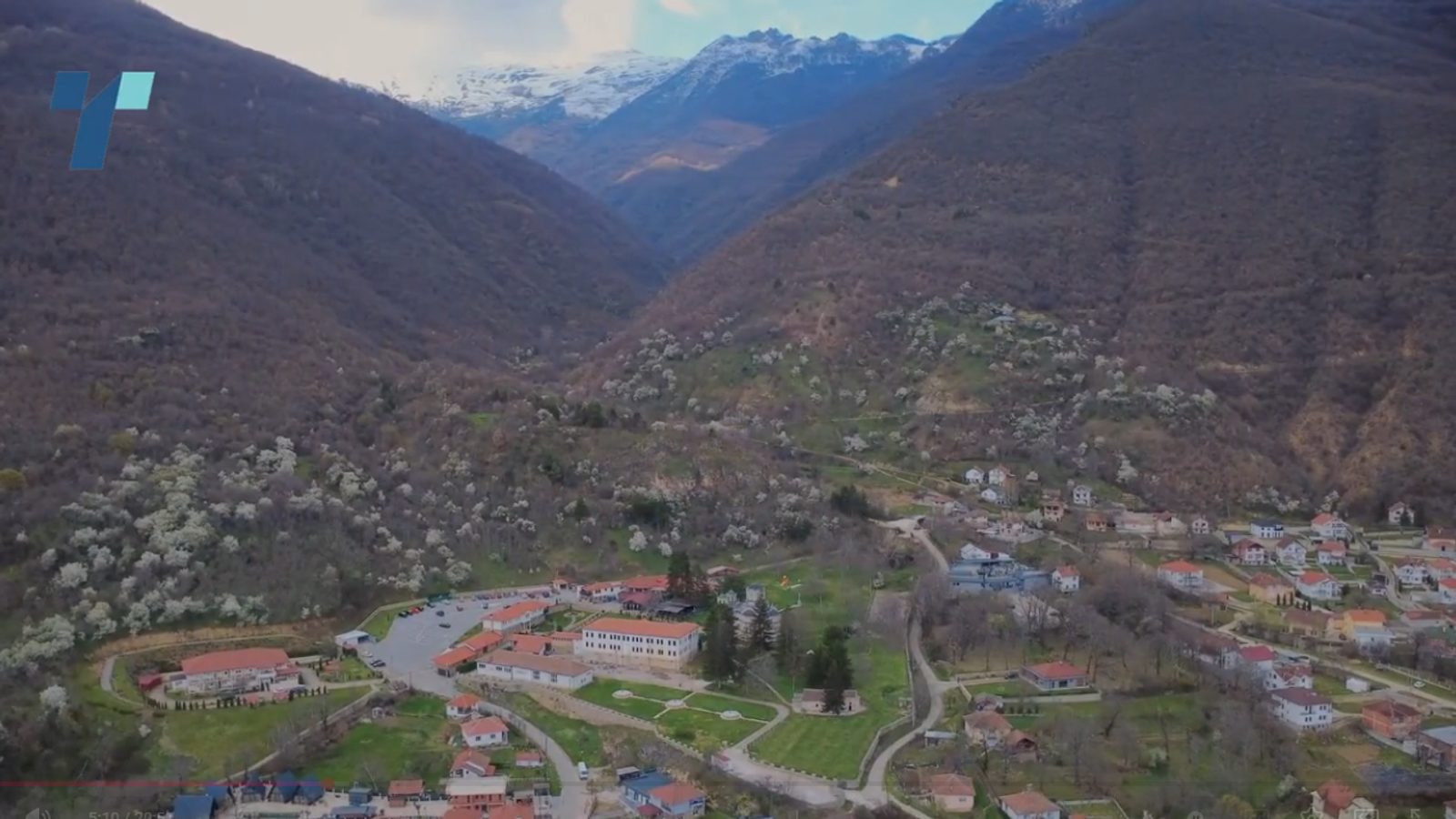
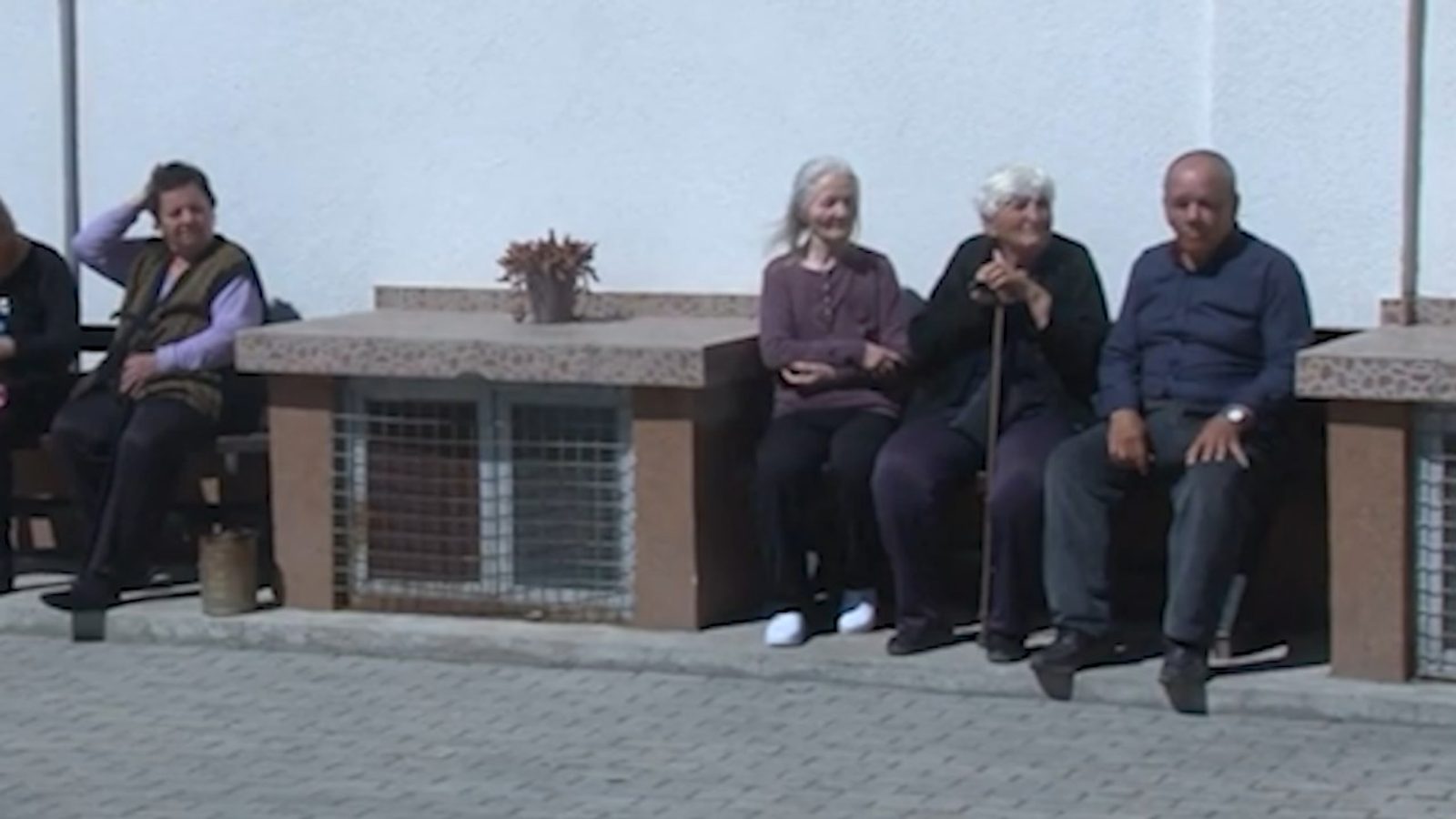
Leshok, best known for the Leshok Monastery, is experiencing two opposing trends: long-standing out-migration and a recent boom in weekend homes and investment. The village, at the foot of the Sharr Mountains, is gaining new houses and visitors even as the number of permanent residents shrinks.
The dual movement — people leaving in search of better-paid work while others build second houses and return seasonally — is reshaping everyday life. Fields that for decades fed local families are increasingly occupied by industrial units, warehouses, restaurants, swimming pools and weekend settlements.
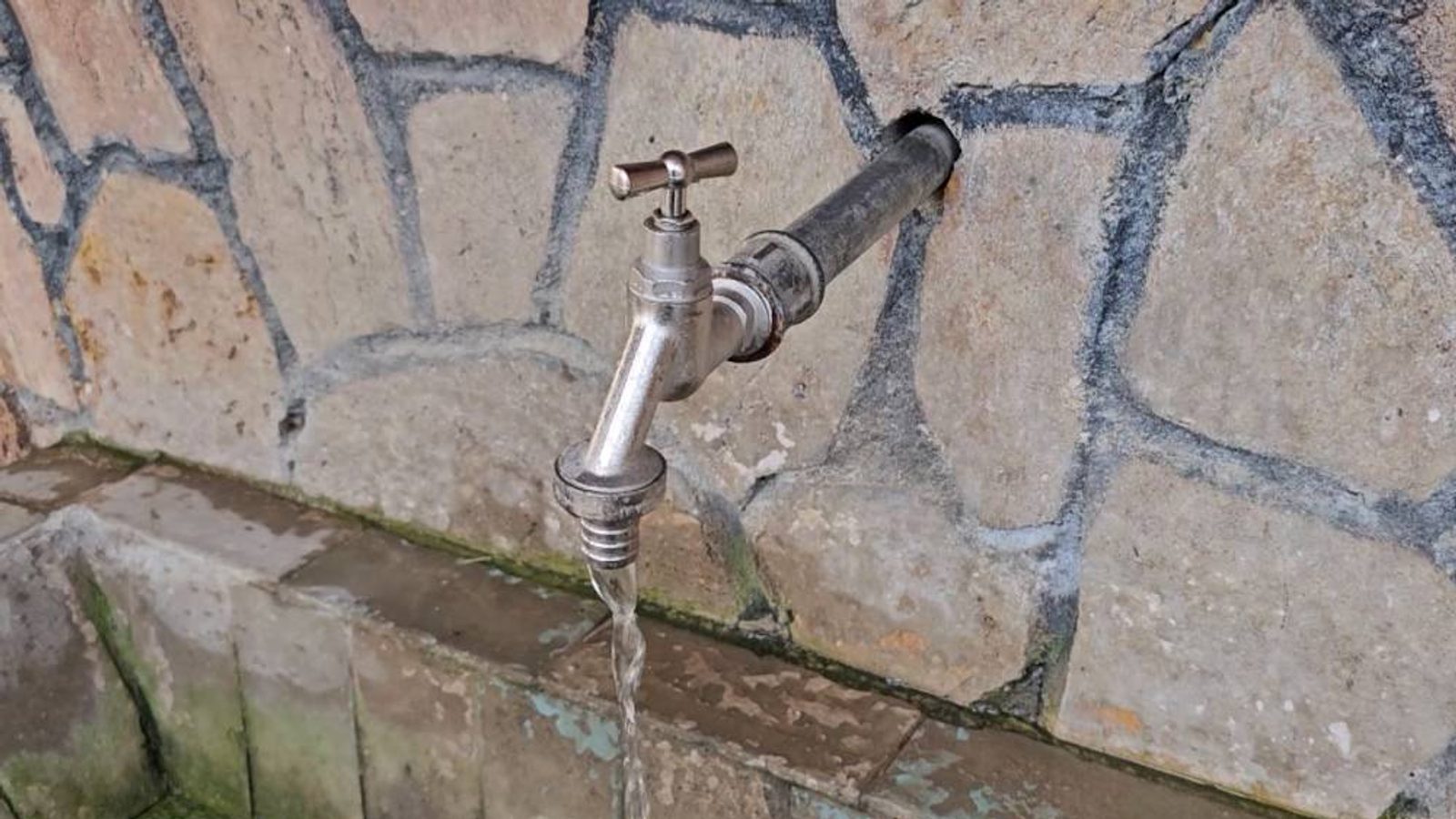
Infrastructure strain: Borche Stojchevski, a member of the local community, says that the expansion of Leshok brings its biggest infrastructure challenge — ensuring sufficient drinking water — and that residents are asking the authorities for support. Despite water being a problematic segment, he considers life in the village good and attributes emigration mainly to the search for higher payable jobs outside the native place.
Continuity through diaspora and beekeeping
Mitko Spirovski, Leshok’s chronicler and the author of about twenty books on the village’s history and traditions, traces the migration pattern back centuries. Generations have left to seek better livelihoods but kept strong ties to their birthplace: some return after long years abroad, others invest from afar — building houses, renovating family property, supporting projects and local initiatives.
As arable land recedes, more residents are turning to beekeeping. Honey production has become both an additional income source and a way to maintain the community’s connection to the Sharr Mountain environment, still one of Leshok’s greatest assets.
The Leshok monastic complex — the churches of the Dormition of the Most Holy Theotokos and St. Athanasius, the old monastic church, the centuries-old konak and the grave of the great revivalist and hegumen Kiril Pejchinovich — remains a focal point. Restoration work begun in 2010 on old foundations led to the completion and consecration of a church dedicated to Saint Nicholas of Myra in 2025. The church board is now planning additional facilities to restore the complex’s spiritual and cultural role.
Clean air, mountain scenery and proximity to natural riches keep Leshok attractive not only for natives but also for visitors and those looking for a quieter life — a factor that may shape its future despite demographic shifts.
Photo: press material from the event