Lithuania sets defence and solidarity as priorities for EU presidency starting 1 January
Vilnius plans new Council working group on economic security and seeks "maximum progress" on accession talks for Ukraine, Moldova and the Western Balkans.
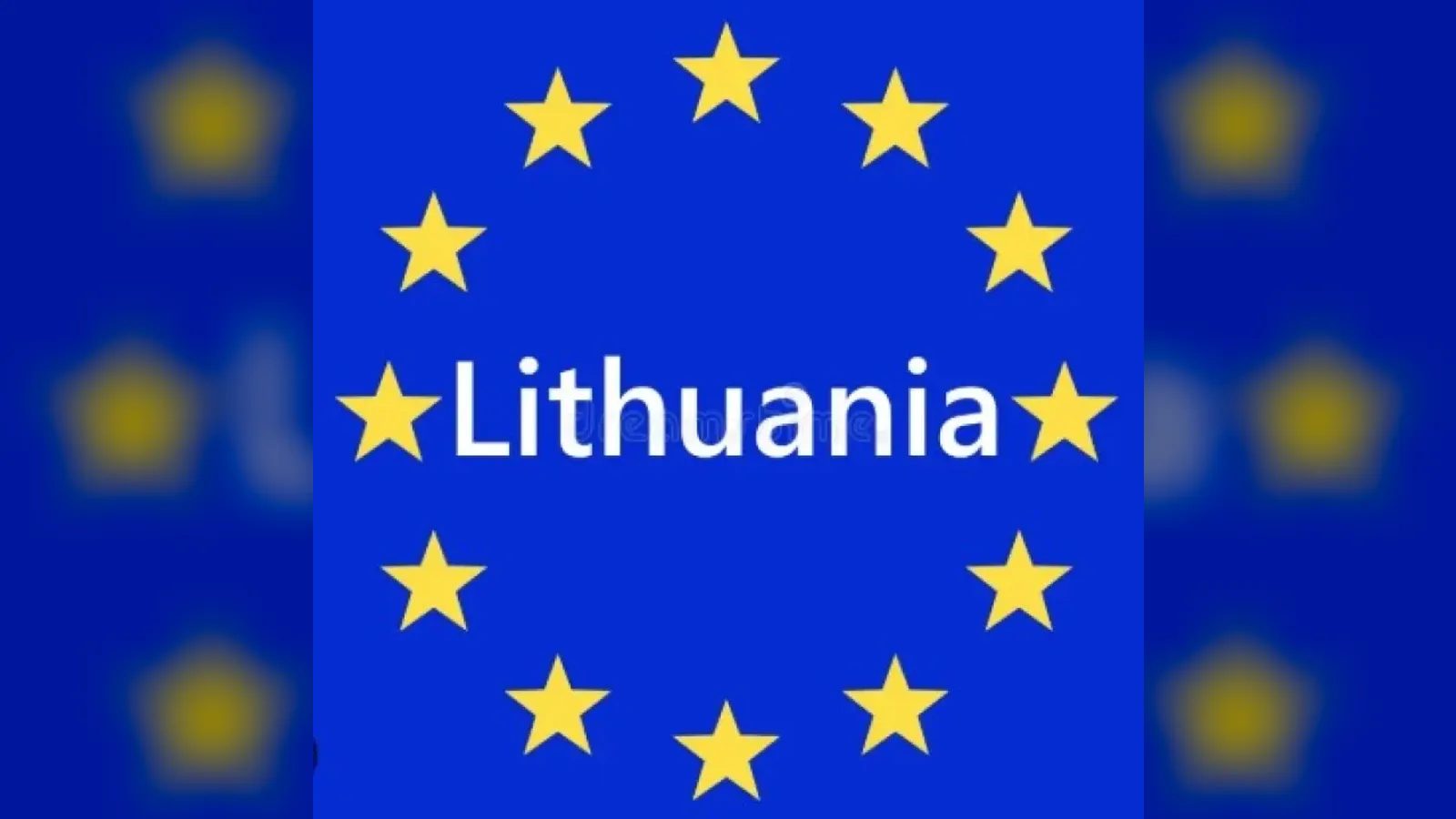
Lithuania plans to make strengthening European defence capabilities and showing solidarity with EU member states on the Union's eastern border the core priorities of its rotating EU presidency, which begins on 1 January.
A draft version of the presidency work programme that reached the press says Vilnius intends to create a new working group in the Council on economic security. The government described the document as "the mistakenly published draft" and clarified it is not final; the programme will be presented officially on 9 December.
Security, transatlantic ties and burden-sharing
The draft argues that Russia’s war in Ukraine requires a new European security and resilience architecture. In that context Lithuania stresses the need for strong transatlantic relations through closer cooperation with the United States and tighter links with like-minded partners, and it underlines that the EU’s defence capabilities should remain interoperable with NATO.
Lithuania also says the Baltic states bear a disproportionate burden in guarding the Union’s eastern frontier and insists the attack by Russia on Ukraine must be treated as an attack on Europe as a whole.
On enlargement, Vilnius frames the process as a geostrategic necessity. The presidency will focus on accession talks with Ukraine and on Kyiv’s reforms, and it aims to achieve "maximum progress" during its six-month term for Ukraine, Moldova and the Western Balkans. The draft also signals an intent to improve how Montenegro’s accession negotiations function.
Vilnius wants to ensure the EU keeps its policy of non-recognition of territories illegally occupied by Russia during any future peace negotiations. The draft further lists additional areas the presidency will address, including trade, energy, climate policy, cross-sector coordination, cutting bureaucracy, the telecommunications sector, the digital euro and artificial intelligence.
Photo: press material from the event