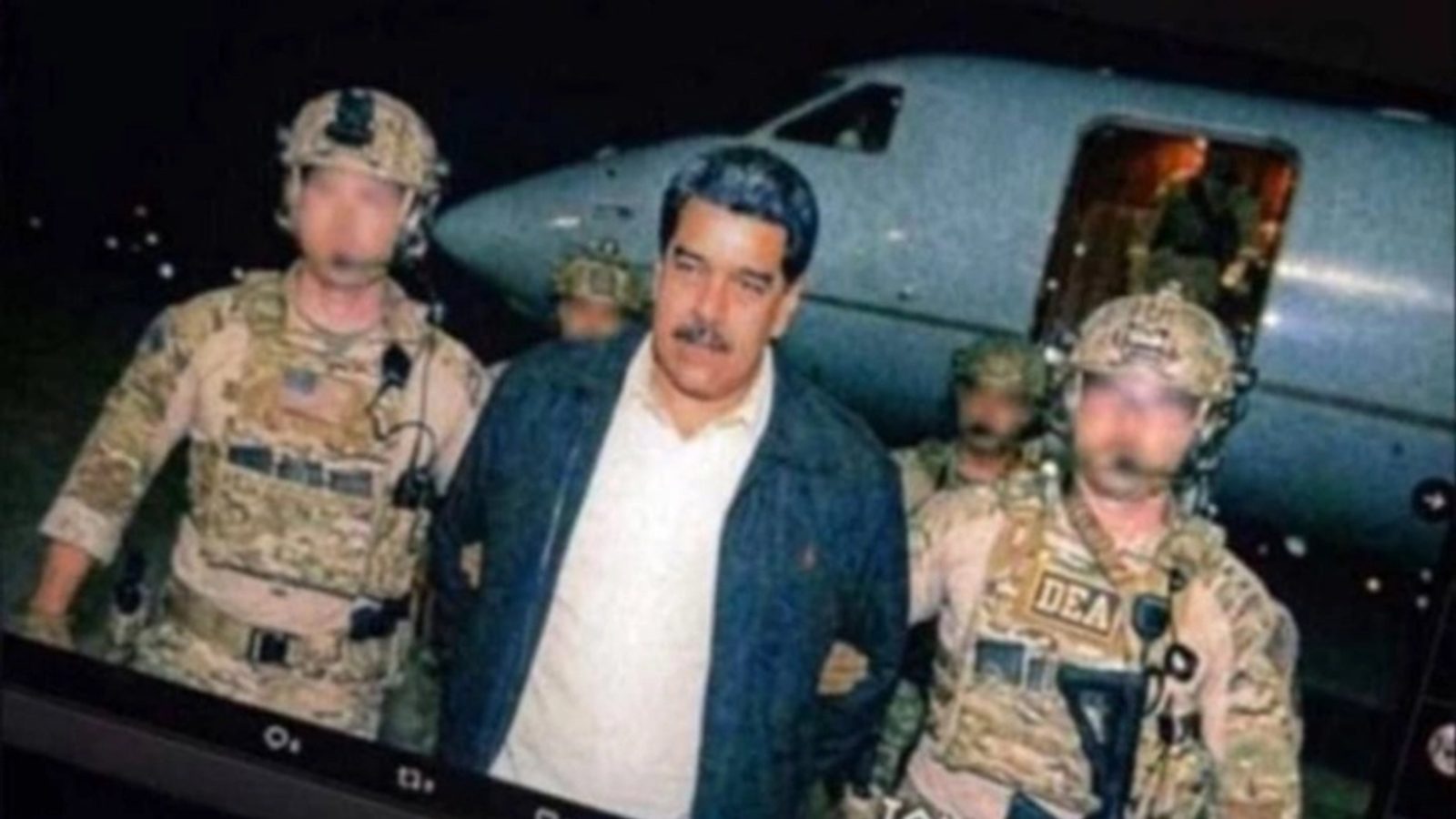
Maduro asks Manhattan federal court to dismiss indictment, says "I am a prisoner of war"
Maduro seeks immunity, says his detention during a U.S. military operation on January 3 was unlawful and calls himself a prisoner of war.
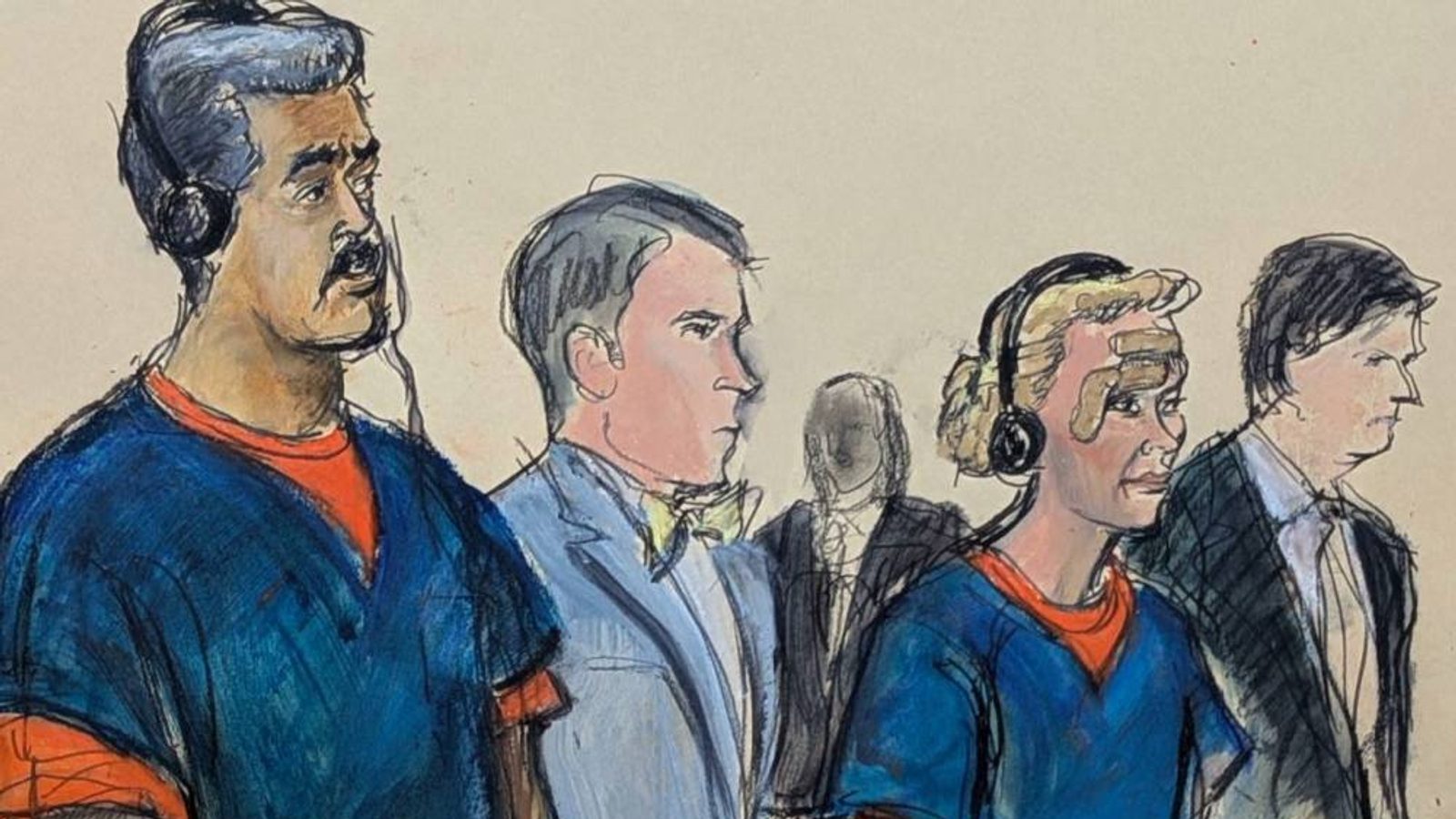
Venezuelan President Nicolás Maduro has asked a Manhattan federal court to dismiss a U.S. criminal indictment accusing him of drug‑trafficking, and sought immunity from prosecution on the ground that, as head of state, he cannot be tried by U.S. courts. Maduro also told the court that his arrest during a U.S. military operation in Caracas on January 3 was unlawful.
In filings submitted in Manhattan, his defense argued the actions charged took place within the scope of his official duties and therefore are protected by sovereign‑official immunity.
Defense framing and the prisoner‑of‑war claim
Maduro previously described himself as a prisoner of war and characterized the January operation as a kidnapping; in court documents he declared, "I am a prisoner of war." The filing notes, however, that the prisoner‑of‑war status so far remains a claim by the defense, not a legal determination by an American court.
Legal experts point out a central obstacle to Maduro's strategy: the United States has not recognized him as Venezuela's legitimate president since 2019. U.S. courts considering foreign‑official immunity frequently defer to the executive branch's determination of who counts as a head of state.
Maduro's lawyers counter that Washington's refusal to recognize his legitimacy does not alter the fact that Venezuelan institutions continued to treat him as head of state, and they highlight an alleged inconsistency in U.S. policy: the United States has engaged with Delcy Rodríguez, an official appointed by Maduro, while simultaneously arguing he lacked presidential status.
The Manhattan proceedings will require the court to weigh constitutional and diplomatic questions about immunity and executive recognition as it decides whether the indictment can stand.
Photo: press material from the event