MAGO urges parents to use free HPV vaccines for girls and boys
At a November 17 press conference MAGO stressed free vaccination up to age 19, screening and the 90‑70‑90 strategy to reduce cervical cancer.
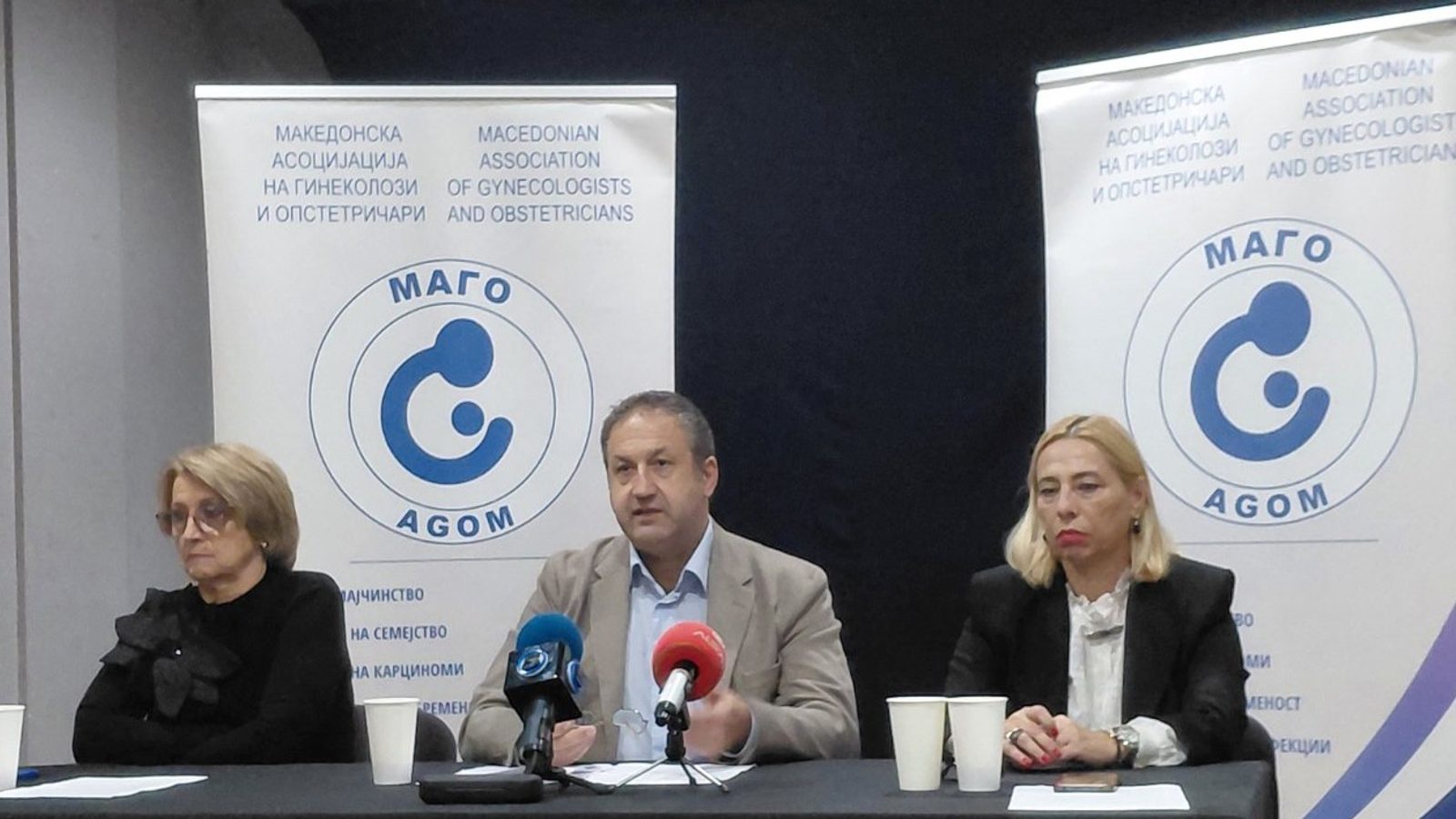
The Macedonian Association of Gynecologists and Obstetricians (MAGO) urged parents to use the free HPV vaccine available for both girls and boys, saying prevention is the fastest route to cut cervical cancer cases. The appeal came at a press conference held on November 17, World Day for the Elimination of Cervical Cancer; speakers included MAGO president Prof. Dr. Gligor Tofoski, Dr. Emilija Trajkovska and Dr. Sonja Raleva.
MAGO reminded the public that HPV vaccination is part of the national immunization schedule for girls starting at 12 years old, and that since May 2024 the nine‑valent HPV vaccine has been available for boys as well. Vaccination is free for everyone up to 19 years of age. The recommended regimen is two doses for children aged 12–15 and three doses for those older than 15. If someone chooses private vaccination after age 19, one dose currently costs 8,000 denars.
Rising cases, persistent coverage gap
The doctors warned that cervical cancer has not disappeared. "Last year there were 122 newly diagnosed cases of cervical cancer, 48 more than in 2024," said Dr. Klisarovska from oncology. Prof. Tofoski noted that according to 2023 figures the country sees about 120 women a year with invasive cervical cancer and at least half—around 60—die from the disease. He also said the last analysed study included two patients aged 18.
Dr. Trajkovska highlighted uneven uptake and the importance of awareness campaigns. She said many women attend regular check-ups, while others are traced by letters or phone calls, and some only come when someone close to them becomes ill. She called for parents to vaccinate children while the vaccine is free and ideally before the first sexual contact.
Prof. Tofoski explained MAGO's target strategy and why broader vaccination matters for both sexes. "Ninety percent of the population, meaning boys and girls, should be vaccinated against HPV, 70 percent of patients should receive timely screening for cervical cancer and 90 percent of patients—at a minimum—should get adequate treatment in the early stages of the disease. If these three criteria are met, over several years the number of newly registered cases would fall below 4 per 100,000, which would in effect represent a gradual disappearance of this disease," he said.
He also warned men about HPV’s role beyond the cervix, pointing to oropharyngeal, penile and anal cancers and to genital warts as serious reproductive‑age problems for both sexes. Latest coverage reports for 2025/2026 show two‑dose HPV uptake in the country at about 51.5–52.5 percent — a small rise but far below the 95 percent target the association says is needed to reach elimination.
Photo: SDK.MK)