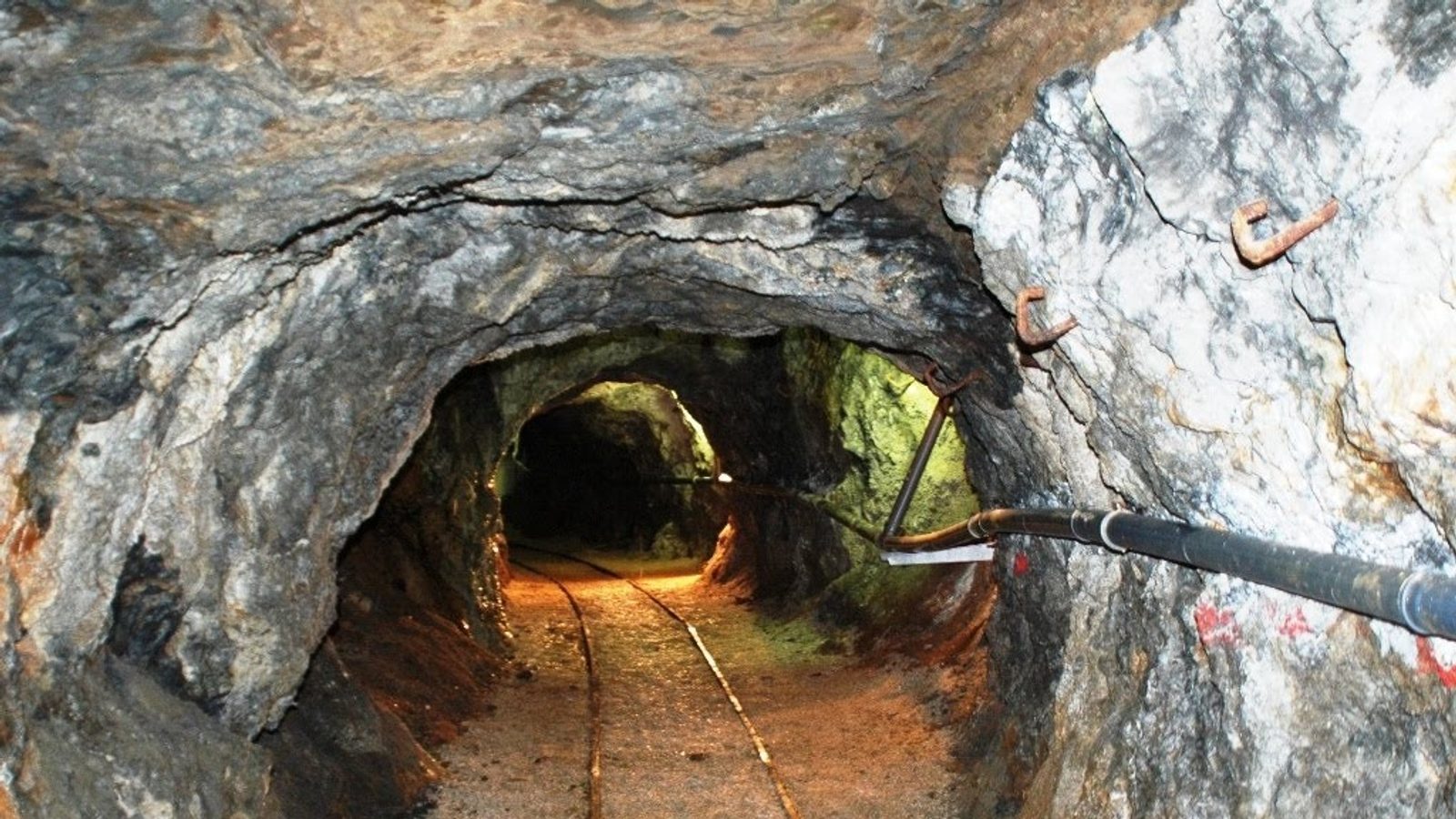
MANU proposes 'sustainable mining' to be tested with projects such as Ilovica–Shtuka
MANU's 2026–2046 Minerals Strategy proposes testing 'sustainable mining' with projects like Ilovica–Shtuka and stresses minerals' role in green technologies.
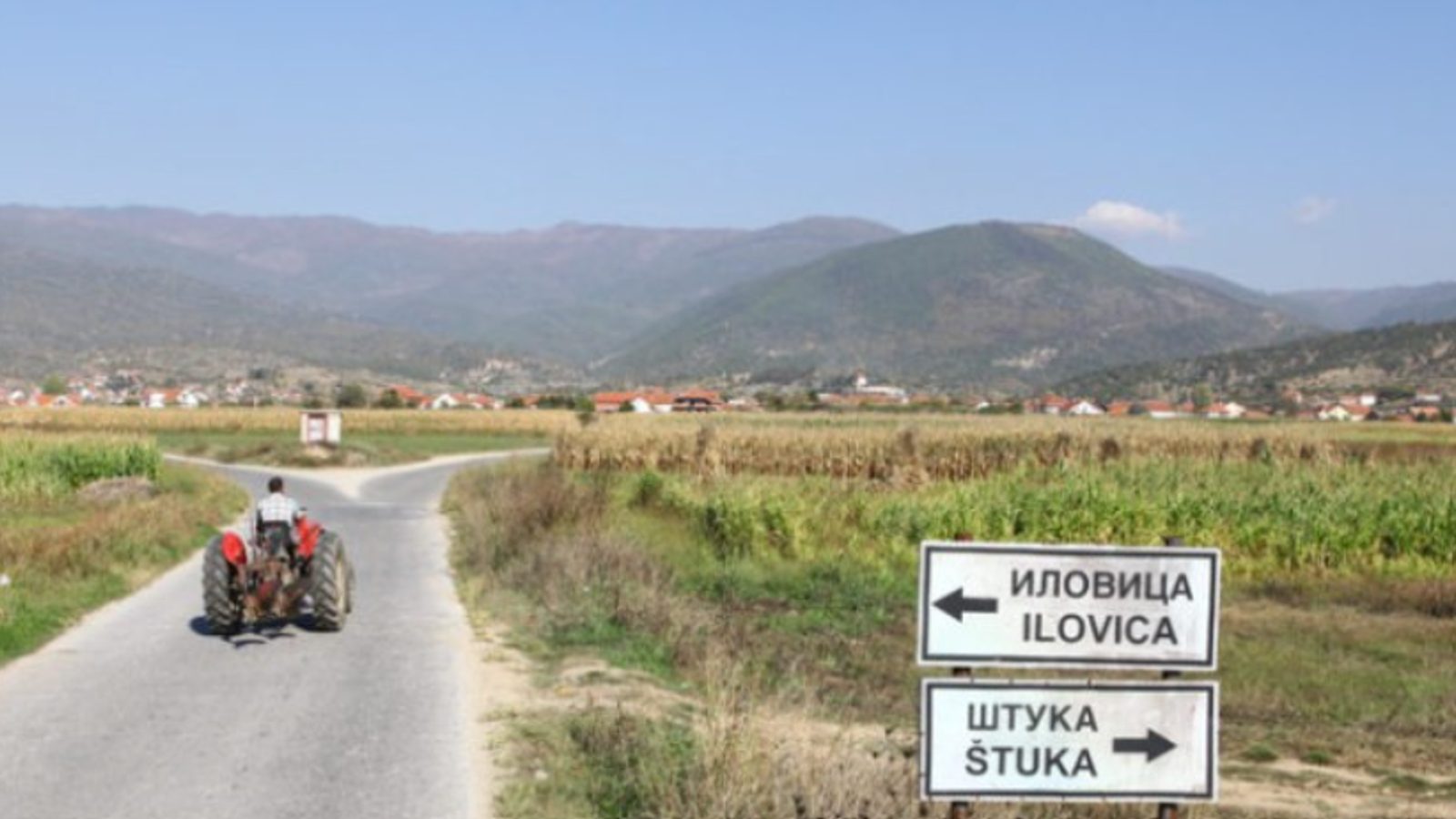
The Macedonian Academy of Sciences and Arts (MANU) has drafted a Minerals Strategy for 2026–2046 that argues mining and the green transition can be complementary parts of a single development path, and identifies projects such as Ilovica–Shtuka as possible test sites for those principles.
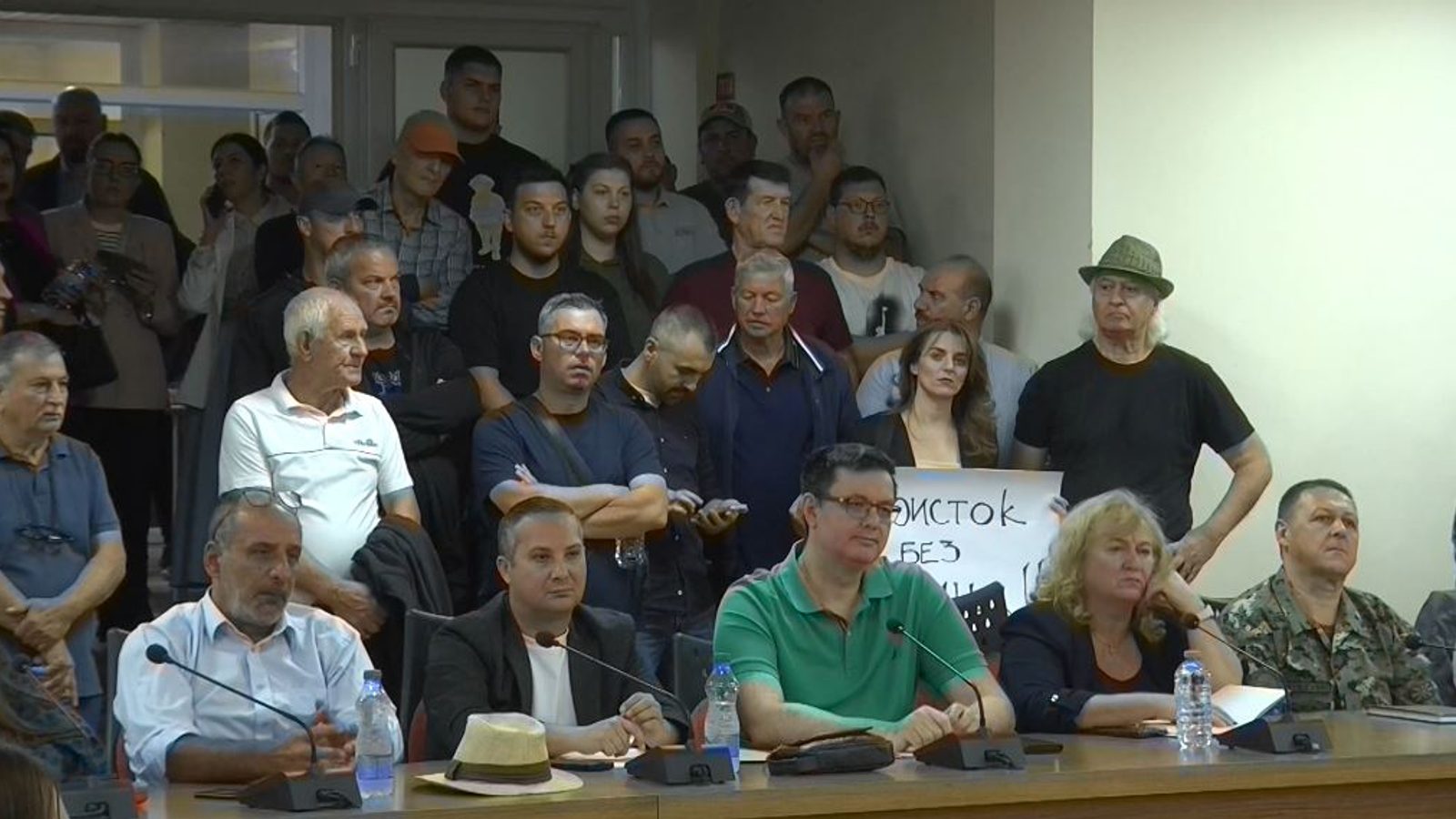
At a ceremony marking Miners' Day, Aleksandar Dedinec, a research associate at MANU and a member of the team that prepared the strategy, urged North Macedonia to develop "sustainable, science-based mining that uses natural resources while protecting the environment."
Dedinec warned the debate should move beyond a simple pro-or-con stance toward mining: "The real question should not be whether we are 'for or against mining,' but 'what kind of mining do we want'." He said the strategy opens space for projects that use modern technologies and high environmental standards so economic benefits from minerals are combined with environmental responsibility.
Mining as part of green growth
Dedinec suggested Ilovica–Shtuka could serve as "one of the projects through which the application of the principles of sustainable mining in North Macedonia will be tested." He argued the country's geology provides a significant and varied mineral potential despite its small size, listing copper, silver, gold, lead, zinc, nickel, chromium and manganese among the recognised resources, as well as numerous industrial minerals, coal and drinking water.
"We have something to offer. Although we are a small country, our geology gives us a significant and diverse mineral potential. The strategy recognises copper, silver, gold, lead, zinc, nickel, chromium, manganese, but also a significant number of industrial minerals, as well as coal and drinking water. That is a potential we should neither overestimate nor ignore. We must explore it wisely, to know what we have," Dedinec said in the presentation.
He also highlighted the link between mineral raw materials and decarbonisation: "We cannot talk about future economic development without talking about energy. We cannot talk about the future of energy without talking about climate change, and it is increasingly clear that we cannot talk about decarbonisation and the green transition without talking about mineral raw materials… To build a low‑carbon economy we will need more, not less, of certain mineral raw materials. There are no solar plants without mineral raw materials, no wind turbines without metals, no electric vehicles, batteries, mobile phones and modern electronics without raw materials that somewhere must be explored, mined, processed and put into use. That is precisely why the strategy emphasises that metals are a prerequisite for modern technologies…"
As a snapshot of the sector, the strategy cites 2025 figures: production of 130,174 tonnes of copper, lead and zinc concentrate, with mining contributing 10.9 percent to industrial output and 2.8 percent to the country's total exports.
Photo: iportal.mk