Markovski says defence-ordered expert reports on Pulse nightclub fire are selective and methodologically flawed
The civil-engineering expert told the court the reports omit material properties, building alterations and rely on incomplete documentation.
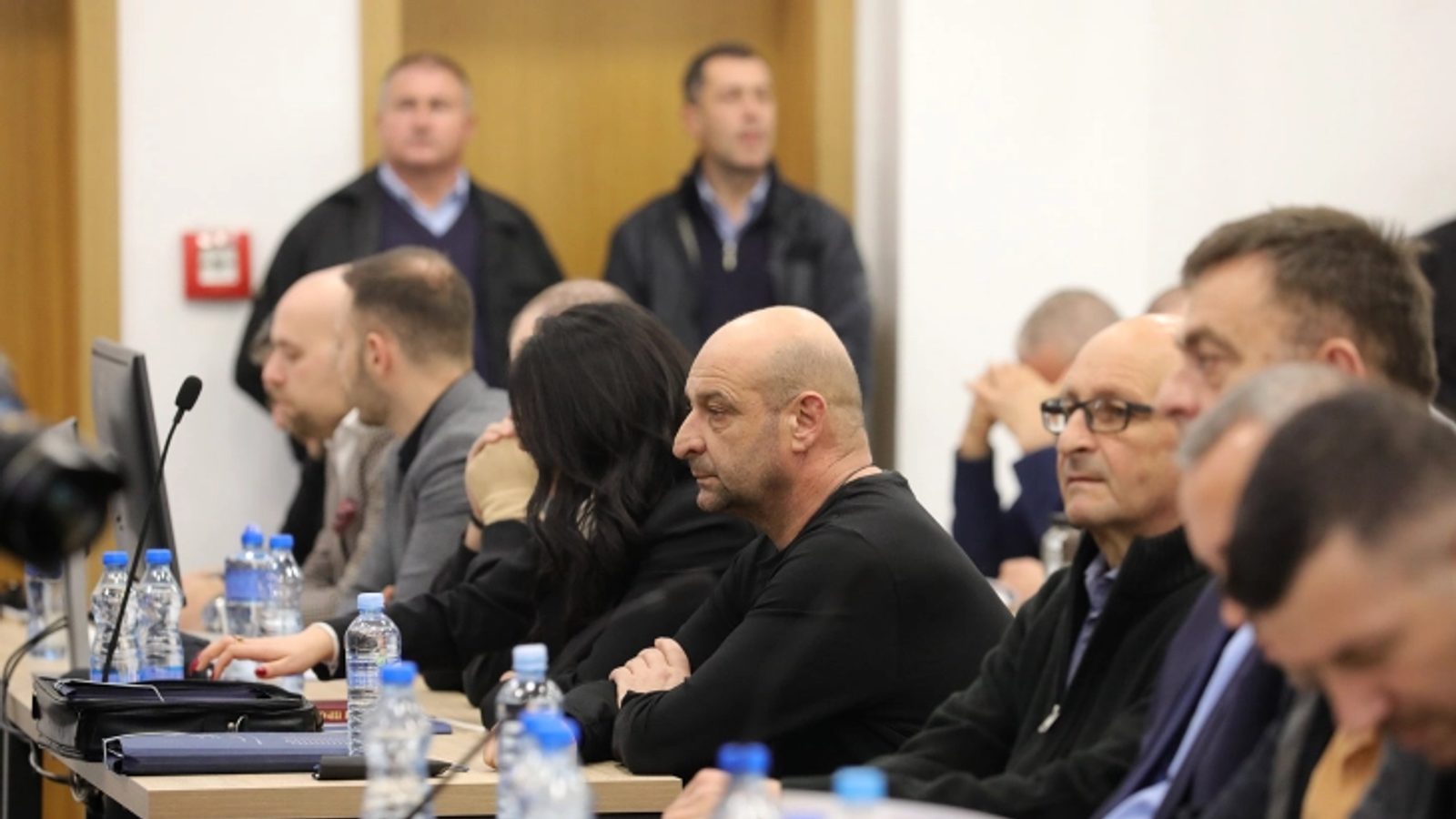
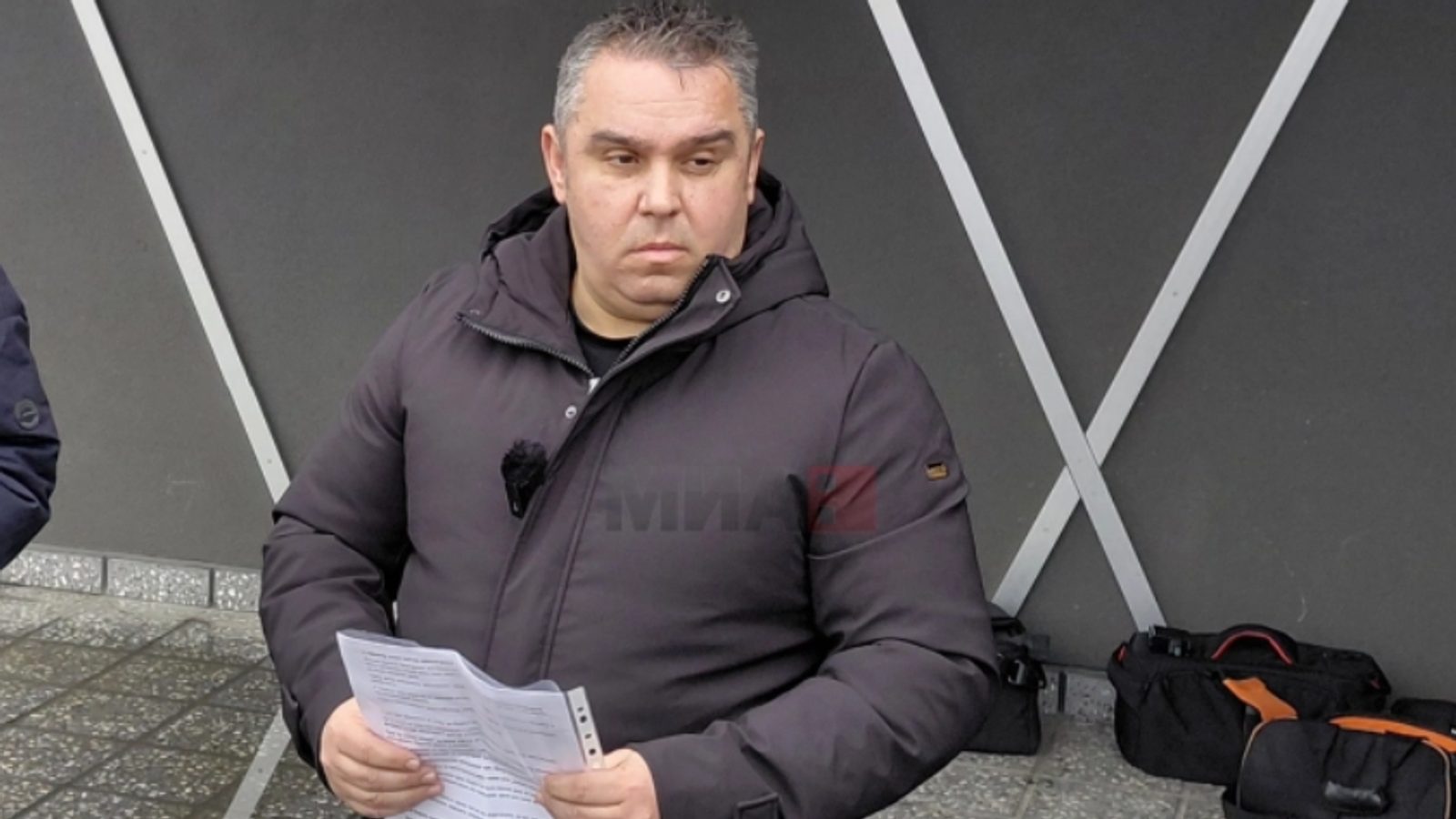
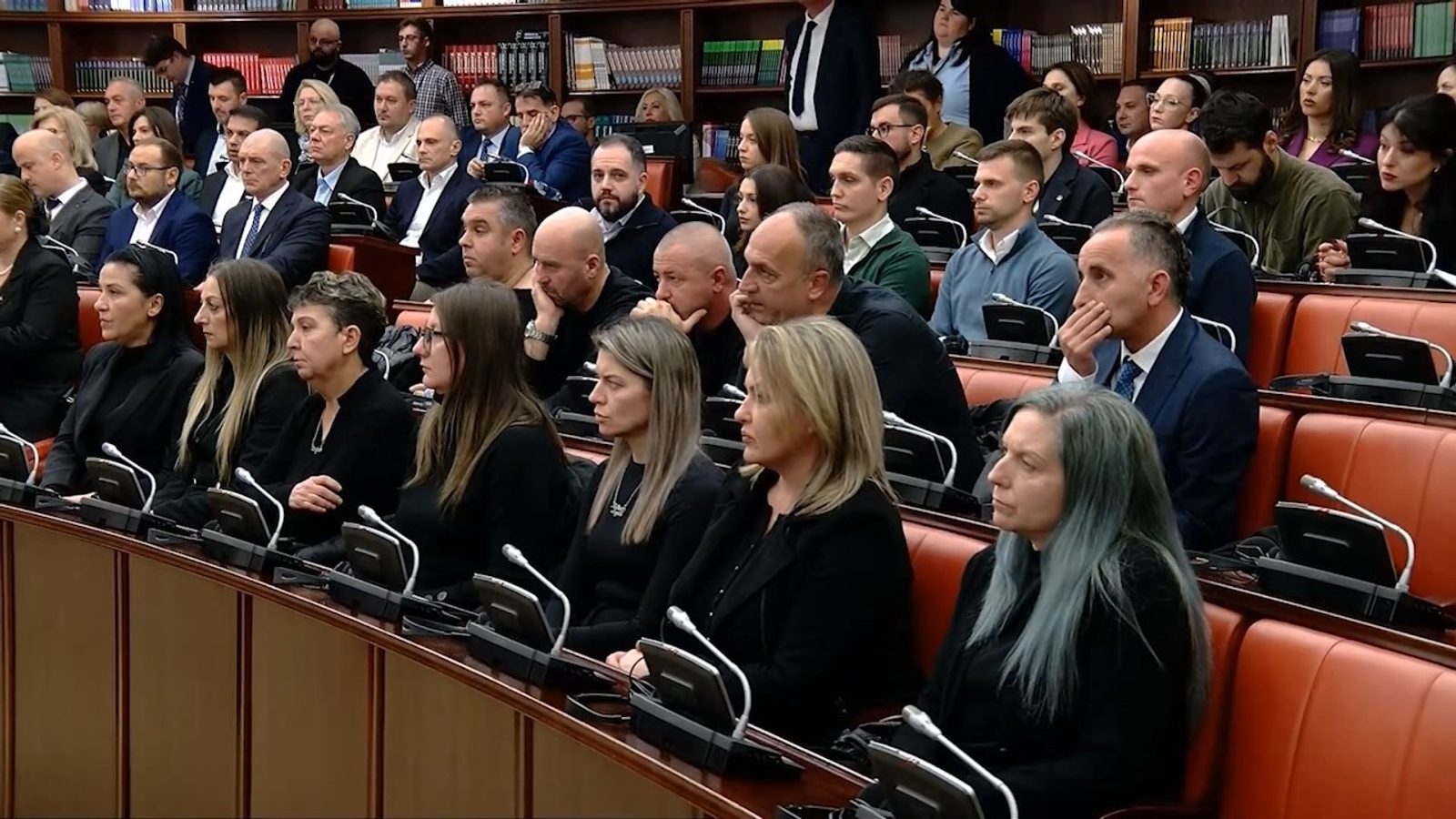
Goran Markovski, a court-appointed expert from the Faculty of Civil Engineering at Ss. Cyril and Methodius University in Skopje, sharply criticized several defense-commissioned reports during the resumed trial over the Pulse nightclub fire in Kočani. The hearing took place today in the Idrizovo prison courtroom at the Basic Criminal Court Skopje.
Key methodological faults, expert says
Markovski singled out expert opinions prepared by Petre Ruseski, Vasilka Kaevska and Inaet Dani, and attacked both the scope and methods used. He told the court that the defense-ordered reports showed "a selective approach, omission of relevant facts and an incursion into areas for which the expert declared he has no competence."
Pointing to concrete procedural flaws, Markovski said one of the reports listed 24 questions but provided answers to only 23; some questions were omitted from the formal assignment, others were altered or reformulated, and the final findings even included questions that had not been requested.
He devoted particular attention to fire-safety analysis and the evaluation of building materials used inside the nightclub. Markovski argued that Ruseski had disclaimed expertise in fire protection yet still discussed minor details while failing to address material properties and safety. He also warned the court that such selective treatment omitted discussion of installed materials — "the sponge, polyurethane foam, decorative sheet and other materials" — and therefore did not answer questions about their quality, permitted use or impact on the catastrophic event. Markovski emphasized that the issue before the experts was not whether the investor could independently make decisions but rather whether a construction expert could determine "the safe or unsafe use of such materials in that space."
Markovski also disputed the report's conclusion that the nightclub had adequate ventilation on the night of the fire, saying that such a statement cannot be made without supporting evidence. He criticized the absence of a complete review of relevant technical documentation and evidence, including expert examinations from the Forensic Department of the Ministry of Interior and specialists from the Faculty of Natural Sciences and Mathematics.
The expert further noted that compliance with minimum technical conditions was asserted solely on the basis of a market inspector's report from 2012, without any independent engineering verification that the venue met legal requirements in the period before the fire.
Markovski listed structural and interior changes to the building — installation of steel galleries, new steel beams and columns on the ground floor, closure of windows with decorative sheet metal, placement of polyurethane sponge on the ceiling, and alterations to installations — and said Ruseski had entirely ignored those interventions. He argued that, since the expert himself admitted lack of competence in fire protection, he could not offset that gap by categorically declaring the interventions were merely interior works that did not affect structural safety.
Earlier in the hearing the Public Prosecutor's Office raised objections to the defense's proposed expert procedure and some witness lists. The prosecution said there were signs the procedure might be prolonged and opposed allowing experts to testify before the court rules on their engagement or permitting possible coordination of their findings. "The Public Prosecutor's Office will not agree at this moment for the experts to present themselves," the prosecution told the court, adding that harmonization of expert conclusions must not be permitted because the law does not recognize such a practice.
Defense lawyers countered that the sequence for presenting evidence had previously been altered with the consent of the parties and that each defense is free to shape its theory and presentation. They said the 16 proposed witnesses cover various circumstances and include representatives from the Municipality of Kočani, the Ministry of Interior, the fire service and individuals involved in the nightclub's interior works.
The trial is presided over by Judge Diana Gruevska-Ilievska and the indictment is represented by a team of 15 prosecutors. The prosecution concerns the fire that erupted on 16 March 2025 during a performance by the band DNK, in which 63 people lost their lives and more than 200 were injured. The trial formally opened on 19 November 2025.
Photo: press material from the event