Health Insurance Fund proposes five-day limit on GP sick leave
Director Zlatko Perinski will ask the Management Board to reduce GP-issued sick leave from seven to five days and step up checks with the Public Revenue Office and Ministry of Interior.
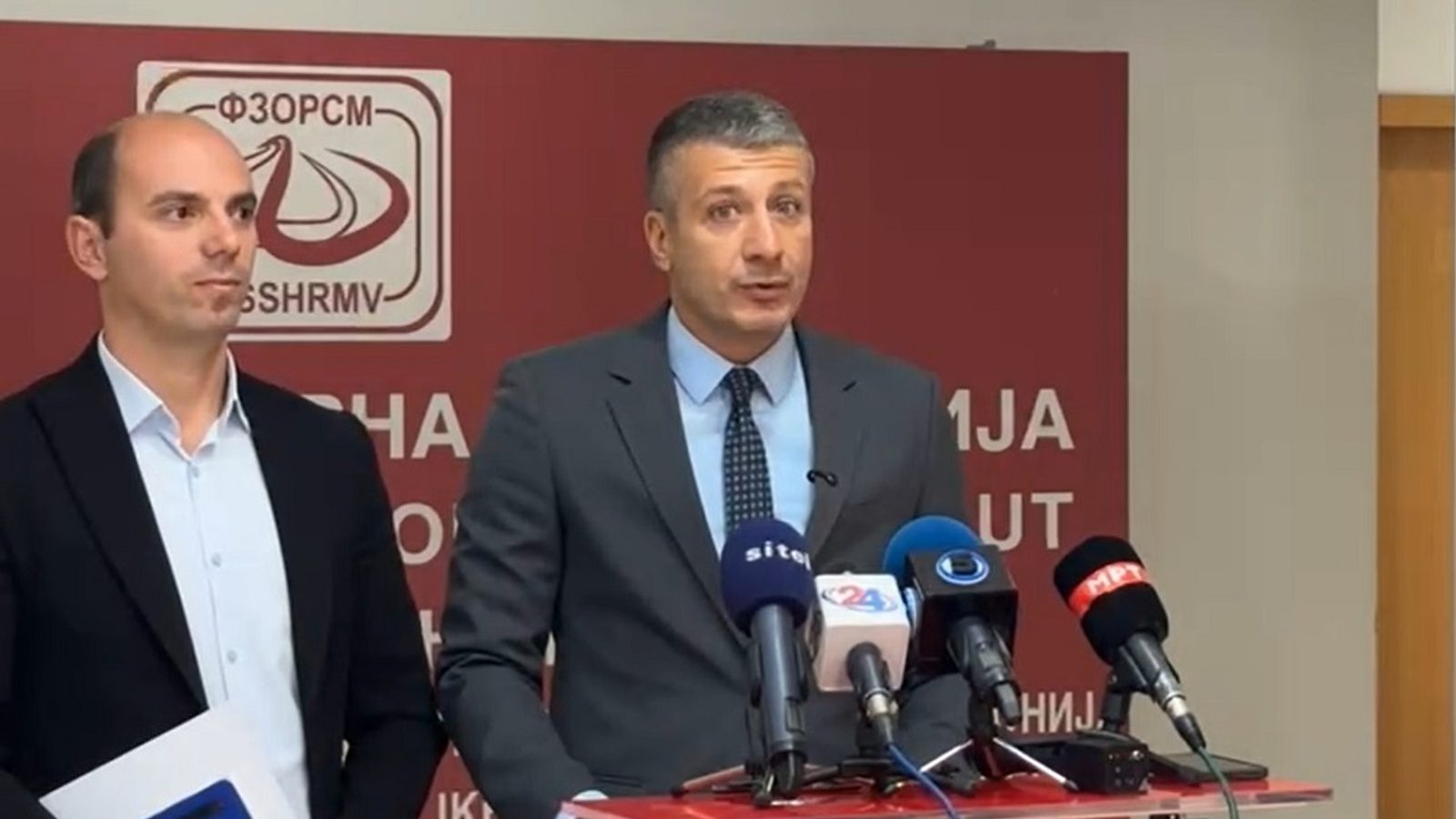
The director of the Health Insurance Fund, Zlatko Perinski, announced a package of regulatory changes and tighter controls on sick-leave payments, including a proposal to limit the number of days a general practitioner can issue at one time.
Perinski said he will ask the Fund’s Management Board to amend the sick-leave rule so that a GP can issue up to five days of sick leave instead of the current seven.
Checks, referrals and new procedures
Perinski framed the change as a measure to make the system fairer and to prevent potential abuse while ensuring money reaches those who need it most. "We do not want to create a system that is stricter, but we want to create a system that is fair," he said.
He added that "we believe that five days will be sufficient to gather additional medical history or to extend the sick leave. The procedure for issuing sick leave will be eased for those who are unable to appear in person to secure it." Controls will be launched following employer reports or via random checks performed in cooperation with the Public Revenue Office and the Ministry of Interior.
Perinski said inspections of a sample of sick leaves at the Ministry of Interior showed irregularities in nearly 30 percent of cases; fines have already been imposed there, and an analysis in the Ministry of Defence is being finalised. If an insured person cannot be located at home, they will be referred to a medical commission to explain the absence.
Last month the Fund paid out over 623 million denars for sick leave, of which 414 million denars were for maternity leave and the remainder for other sick-leave categories. "We must be responsible toward the system we manage. When we state the figure of 623 million denars paid solely for sick leave, it is clear we must have well-established rules and control mechanisms," Perinski stressed.
The Fund’s budget for 2026 foresees 6,454,000,000 denars earmarked for sick leave and maternity benefits, a figure Perinski cited as a reason to tighten controls.
On assisted reproduction, Perinski said the measure that allows up to six in‑vitro attempts is already producing results: of more than 1,880 attempts, 237 relate to fourth, fifth or sixth tries. "At the moment we are analysing a gradation of the financial package we provide per attempt. Medical teams are working to determine a more individualized approach regarding issuance of the voucher for assisted reproduction for the first, second or third attempt, all with the aim of increasing the probability in the first attempts to have a positive outcome from the entire procedure. These are plans we intend to implement from 2027, but to be sure that we also have the financial construction, and of course medical support for this, we will still need some time to refine it," he said.
As an additional move to help patients, the Fund will propose extending the validity of prescriptions issued by on‑call services: instead of requiring same‑day redemption by midnight, those prescriptions would be valid for 24 hours.
Photo: press material from the event