Meloni and Frederiksen call for migrant centres outside the EU
They urged establishment of migrant processing centres outside EU territory to speed returns of rejected asylum seekers.
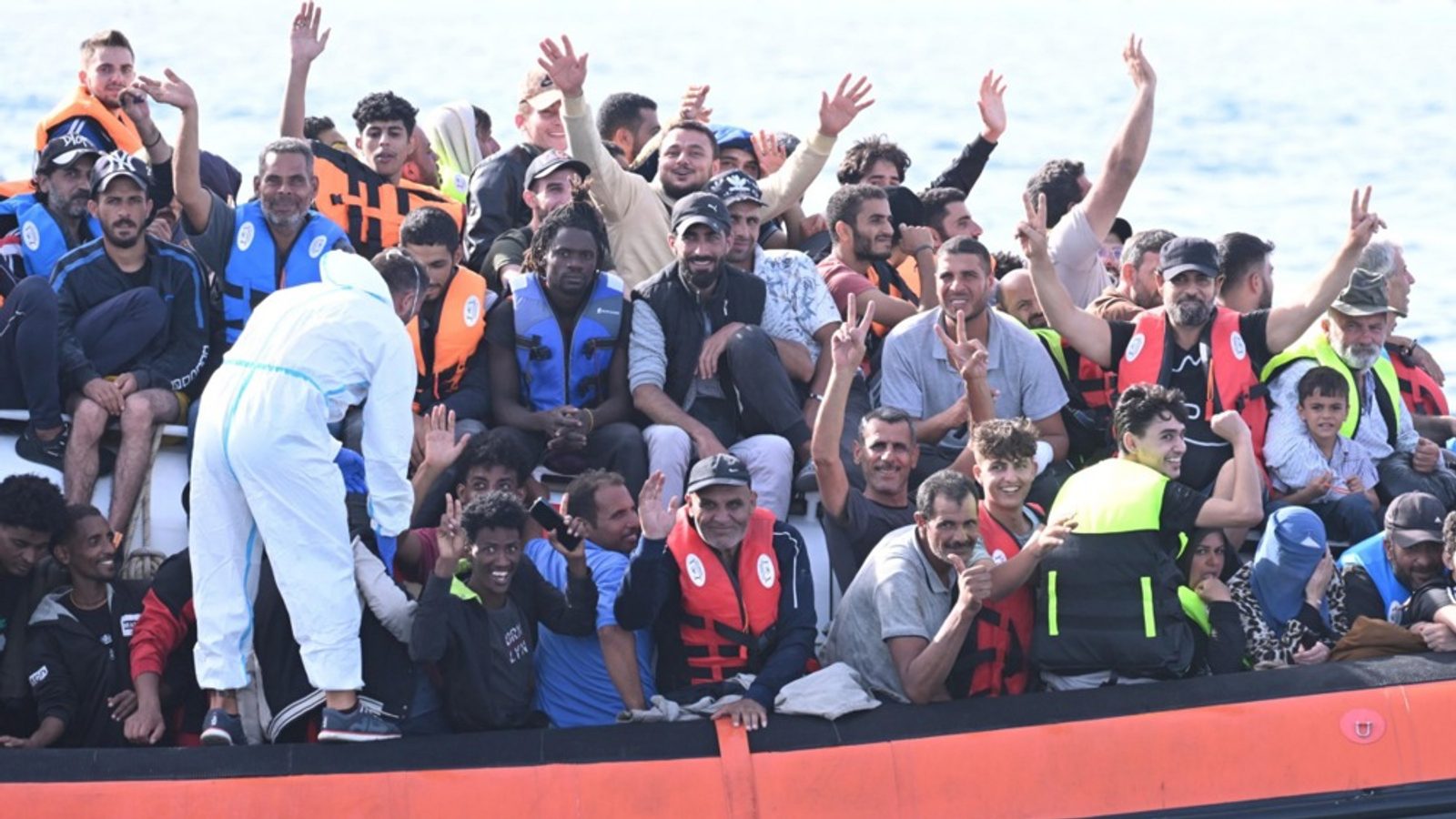
Italian Prime Minister Giorgia Meloni and Danish Prime Minister Mette Frederiksen issued a joint call for so-called migrant centres located outside the European Union, saying such facilities would make it easier to return rejected asylum seekers to their countries of origin.
Frederiksen framed the appeal in stark terms on social media. She wrote on Instagram: "We do not accept uncontrolled immigration into Europe and we have pursued a strict immigration policy both in our home countries and in Europe. No one can deny that illegal immigration has a negative effect on our societies: an increase in crime rates, increased pressure on public services and erosion of public trust."
Different politics, same proposal
The two leaders — at the time described as the only two women heading governments in the European Union — said they back the establishment of processing or return centres outside EU territory as one of several "innovative solutions outside Europe" to manage migration flows and speed up returns.
Frederiksen added specific concerns about public safety in her Instagram post: "It is particularly serious when illegal migrants, who have no right to stay in our countries, commit violence and crimes, engage in drug trafficking or are responsible for sexual violence," she wrote.
Meloni and Frederiksen come from different points on the political spectrum — Meloni leads the right-wing Brothers of Italy party, while Frederiksen is a Social Democrat — but their joint statement emphasised unity on protecting Europe: "We start from very different political positions. We do not agree on everything. But we are united in our desire to protect Europe," their joint statement said.
Plans for centres outside the EU, often described as return or deportation centres, have been debated in Brussels for years and remain deeply controversial among member states and rights groups because of legal, humanitarian and logistical challenges.
Photo: press material from the event