Meloni’s decree: 500 extra soldiers to Milan, up to 5 years jail and €20,000 fines for violent protesters
The decree sends 500 more soldiers to Milan, creates a new offence carrying up to five years’ imprisonment and holds parents liable for damages by minors.
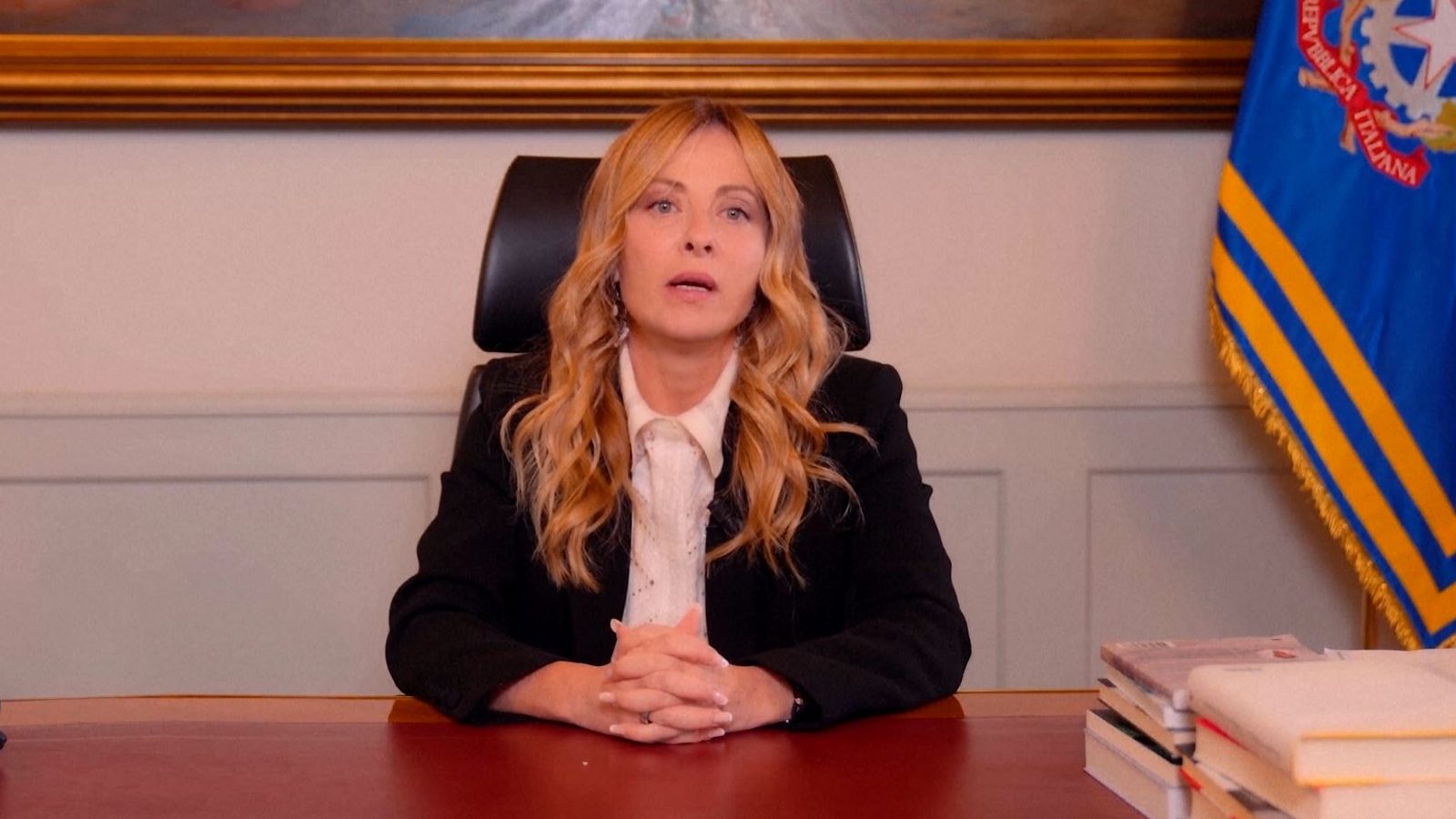
Italian Prime Minister Giorgia Meloni has unveiled a government decree tightening security measures after violent unrest in central Milan that caused roughly €1 million in damage when rioters — many of them minors — looted shops and set fires over the weekend.
What the decree changes
The decree orders an additional 500 soldiers to be deployed to Milan by the end of the year, makes parents financially liable for damage caused by minors, and lowers the threshold for criminal prosecution of juveniles to those older than 14, Meloni said in a video posted on social media.
Meloni said the large number of minors among the rioters — including an 11-year-old who was the youngest person detained — was “painful and frightening.” She added: "Young people... came to the square to break, steal and to film themselves while doing it." "This is a phenomenon that we must treat seriously, also to prevent those images from becoming a model that others will imitate," she said.
The decree also creates a new criminal offense — violent participation in demonstrations — punishable by up to five years in prison and fines of up to €20,000, with higher penalties when participants wear masks or when people are injured. Participants will also be liable for property damage; when the perpetrator is a minor, the parents must pay. For damage to city or state property, compensation claims will be issued by the prefect.
Authorities must present the measure to parliament for conversion into law within 60 days. The government also introduced a legal presumption that anyone older than 14 is capable of understanding their actions unless proven otherwise — a determination that until now was left to a judge. The decree increases detention-center capacity and the number of juvenile judges in the justice system.
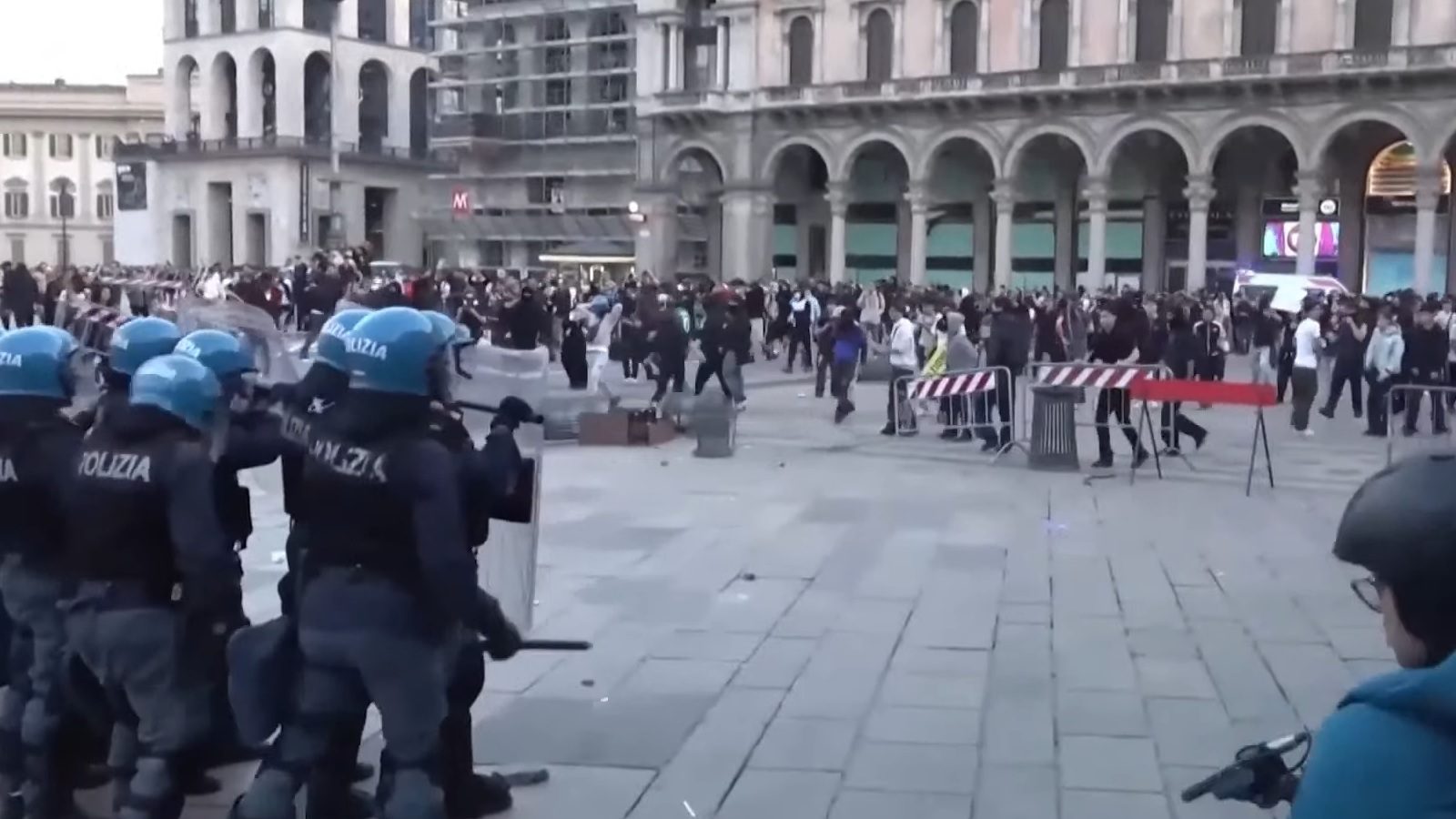
The unrest erupted during a march against wars and rising living costs that began peacefully but was later infiltrated by masked demonstrators who hurled stones, paving slabs and other objects at police, looted stores and set up burning barricades. Images showed a severely damaged Carabinieri vehicle. Police used water cannon and tear gas to disperse the crowd.
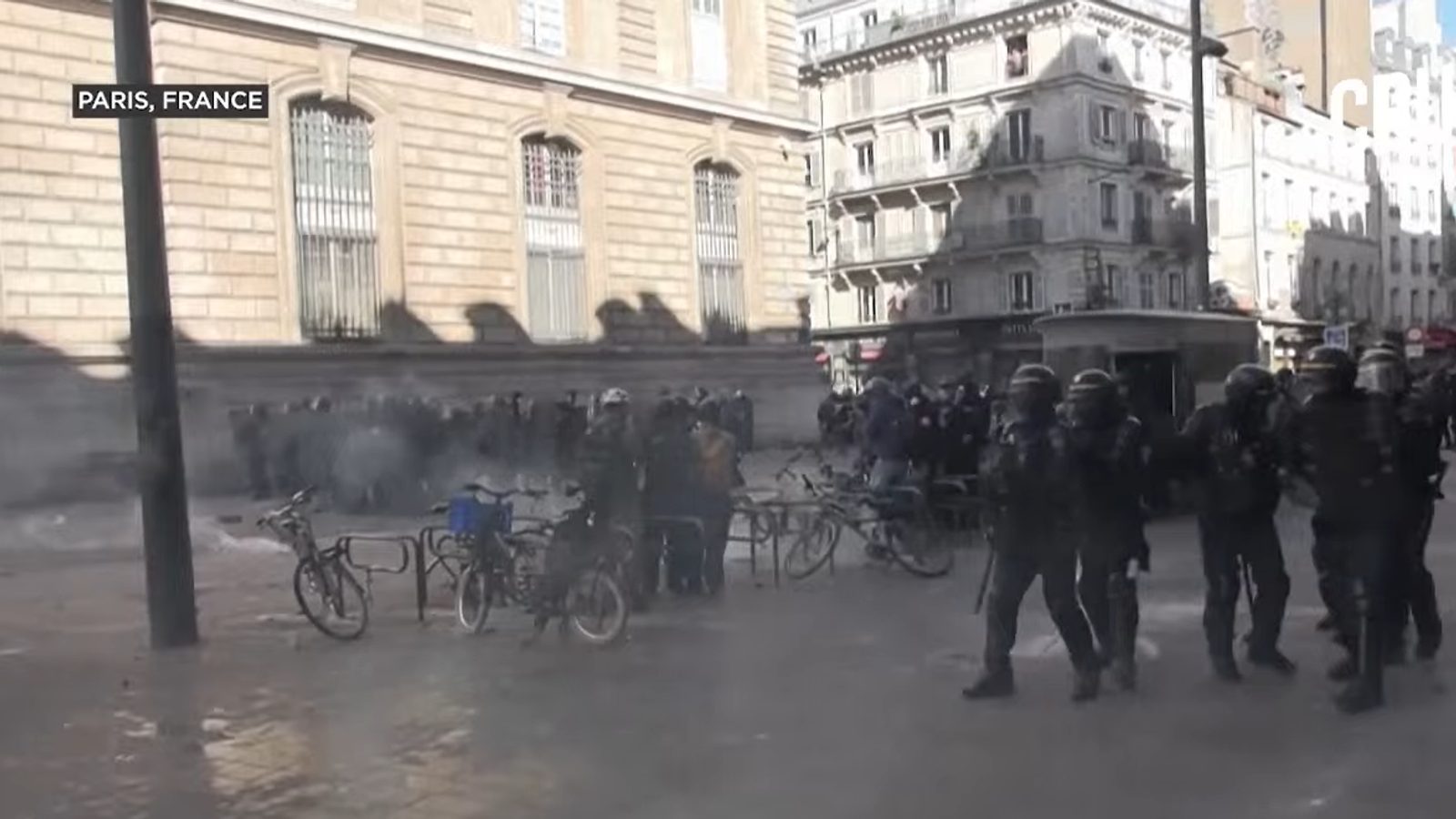
Officials reported 14 police officers injured and about 220 minors among those detained after the disturbances in Milan. The riots coincided with protests across France against the rising cost of living and in support of demands from high school students; French police also used tear gas and water cannon against violent demonstrators there.
Photo: press material from the event