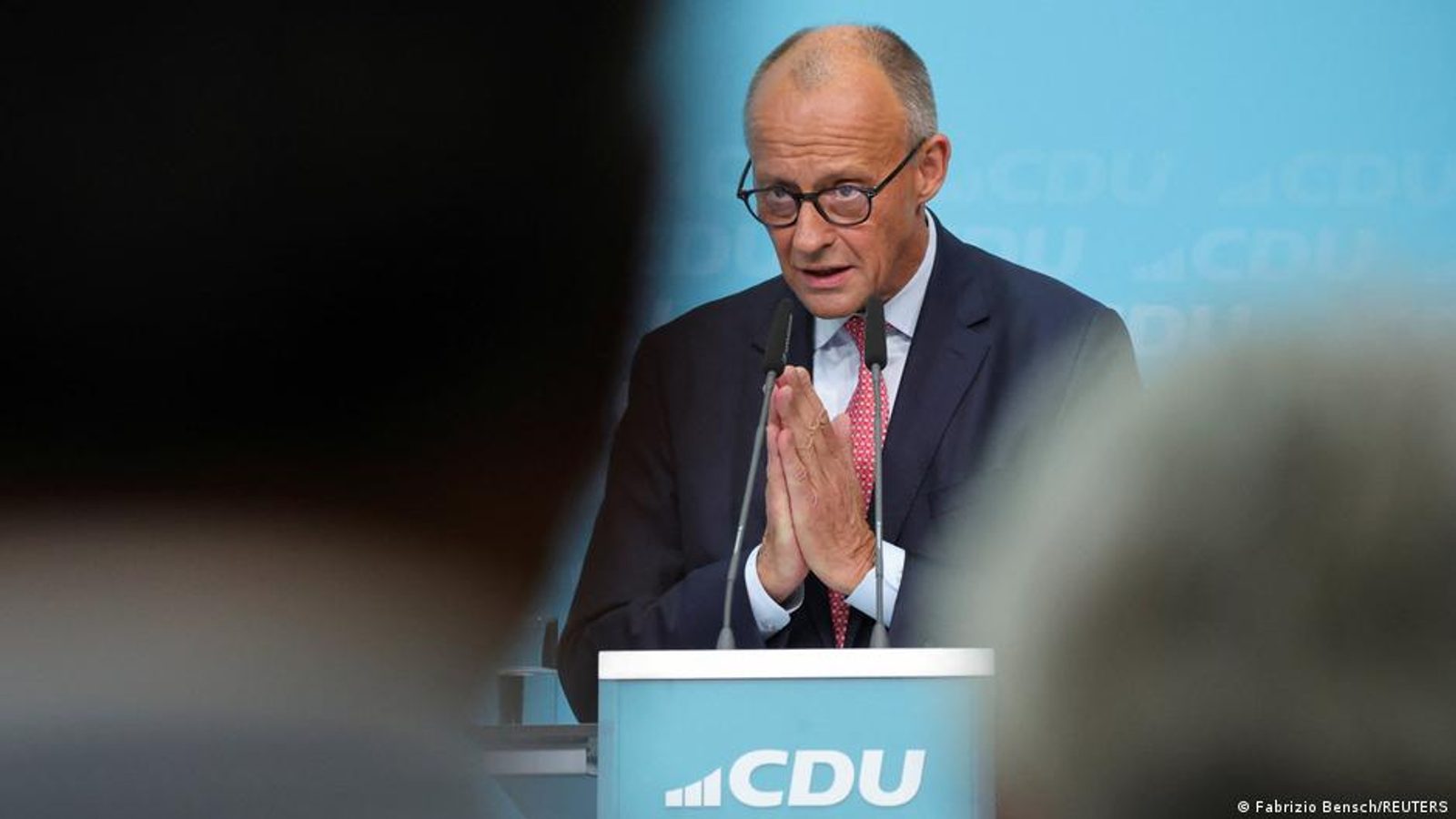
Friedrich Merz admits defeat in state vote: "The result is a catastrophe"
Merz said the CDU had mixed results — solid in Berlin but a 'catastrophe' in Mecklenburg-Western Pomerania — and warned about declining trust in institutions.
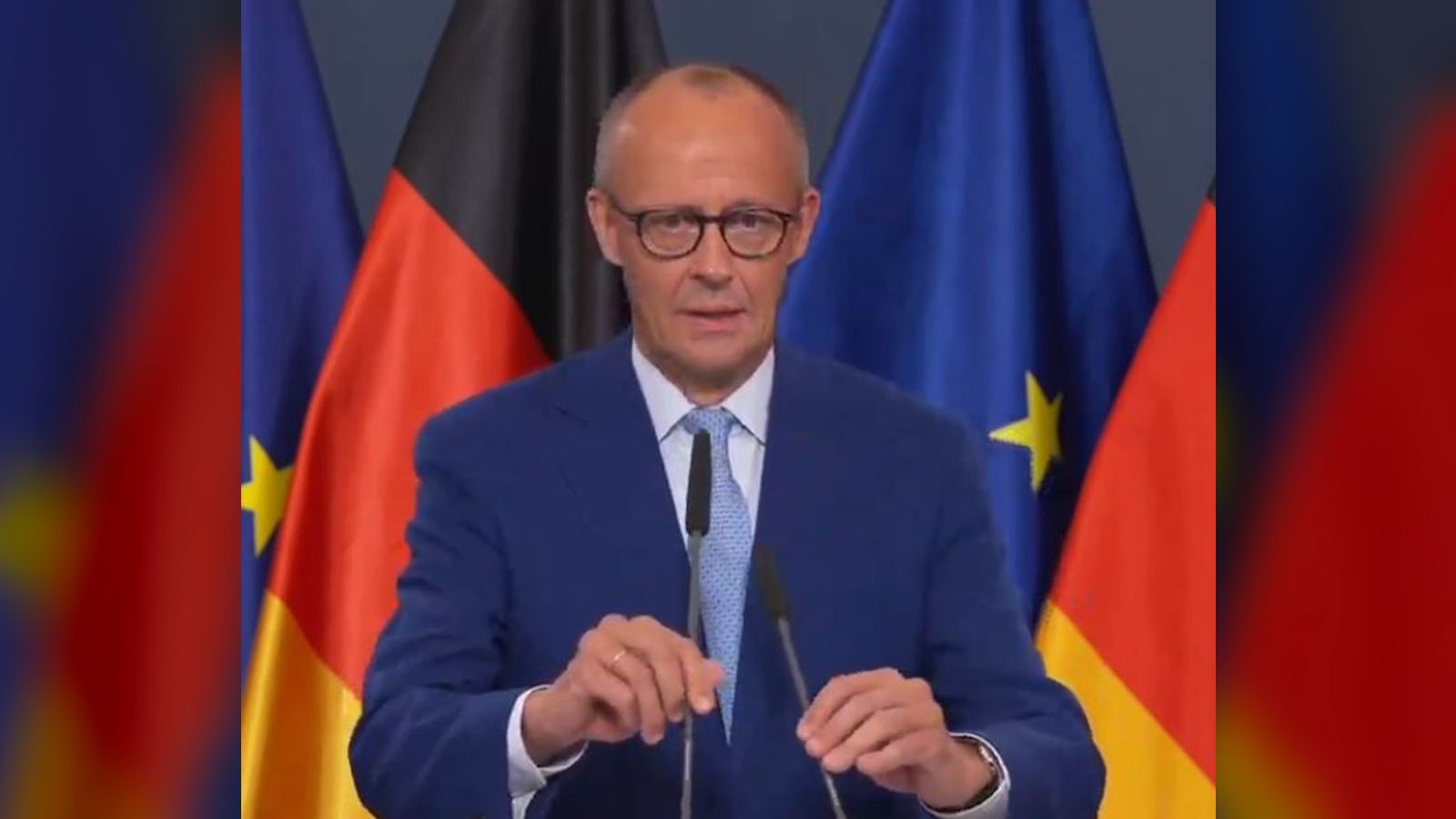
German Chancellor Friedrich Merz spoke to the public after today’s state votes in Berlin and Mecklenburg-Western Pomerania, offering a candid assessment of the CDU’s mixed performance.
He described the party’s showing in Berlin as solid, but called the result in Mecklenburg-Western Pomerania a major setback. "We cannot sugarcoat the result in Mecklenburg-Western Pomerania, it is a catastrophe," Merz said.
Merz highlighted that the CDU has registered uneven outcomes over the year: on one hand it has re-emerged as the strongest political force and—after 35 years—taken responsibility for governing the state with Gordon Schneider as minister-president; on the other hand he characterised the provincial vote in Saxony-Anhalt as a severe failure and "the biggest electoral defeat for the CDU in many years."
Different dynamics in two states
Commenting on the two contests, Merz said the results were markedly different. "The CDU fought, but in the end it was crushed in the vise between the SPD and the AfD," he said of Mecklenburg-Western Pomerania.
On Berlin, Merz praised Stefan Evers, who took on the top candidacy under difficult circumstances and immediately joined the campaign. "With full commitment and great dedication, he brought the CDU to a solid result," Merz said, thanking everyone who campaigned for the party during the year.
He added that many campaigned under very tough conditions, "and because the tailwind from Berlin was missing." Turning to the broader situation in Germany, Merz warned that the state apparatus has become too complex, the economy is undergoing deep transformation, and public discourse is growing harsher. "Regardless of the different electoral results, we are all concerned about the future of our country," he said.
Merz also warned about declining trust in institutions: "Trust in the institutions of our country is declining, and radical parties on the left and the right are actively undermining it," he said. He called for a fundamental debate in Germany and Europe about freedom, everyday security and peace, and urged preparation for the future rather than a return to the past: "The answer cannot be a return to the good old days. But the answer cannot be a constant presentation of everything that is good as bad. The answer must be preparing our country for the future," he said.
Expressing a vision for renewal, Merz said he wants Germany to regain optimism and confidence: "I want our country to believe in its own strength again. I want the promise of social progress and prosperity to apply again, especially for the young," he said, invoking former chancellor and economics minister Ludwig Erhard and his book "Prosperity for All." "Prosperity for the younger generation, in fact, should be a continuation of that book," Merz said.
Photo: press material from the event