Mickoski: Without larger families North Macedonia will rely on foreign workers
Mickoski says low natality risks a labour shortfall and points to a projection that 50,000 foreign workers a year may be needed by 2030.
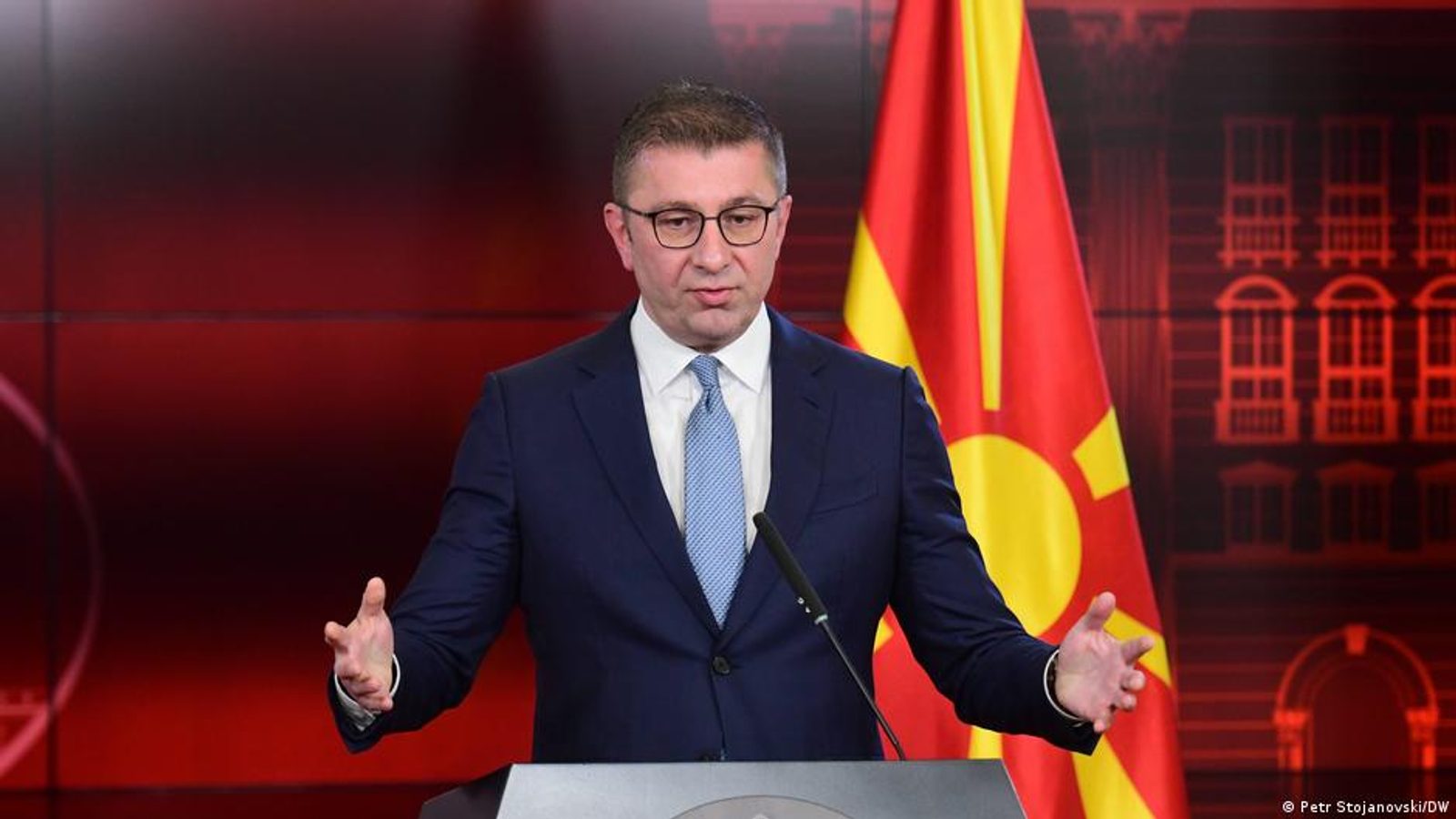
Prime Minister Hristijan Mickoski warned that North Macedonia faces a growing labour shortfall unless birth rates rise and family policies are strengthened, saying the economy could increasingly depend on foreign workers.
“If we do not turn to family values and to large families and if we do not promote those values, unfortunately the Macedonian economy will be the first to be hit,” Mickoski said, commenting on a projection by Deputy Prime Minister and Minister of Transport Aleksandar Nikoloski that the country may need 50,000 foreign workers annually by 2030 to maintain current GDP levels.
Political reactions and socioeconomic pressures
Mickoski reiterated that he has long pushed family-centred policies. “When I spoke a year and a half to two years ago about family values, about fertility, they called me backward, retrograde, said I didn't know what I was talking about and I read all sorts of things about myself, but unfortunately that challenge remains. And what the Deputy Prime Minister and Minister of Transport pointed out may even be underestimated; perhaps we will need many more to maintain economic activity,” he said.
The left-wing party Levica criticised the government’s approach, saying the problem is not only demographic. Levica noted delays in payment of the third-child allowance, reported unpaid parental benefits, rising living costs and a high price of housing — citing an October minimum basket above 70,000 denars, roughly 26,000 denars needed for food and beverages for a four-member family, residential prices up to €3,000 per square metre in Skopje, and more than 300,000 vacant housing units.
Authorities have already permitted hiring foreign workers from countries such as Nepal and Bangladesh to ease shortages; many work in tourism and services, though some use North Macedonia as a transit point to other European states. Experts warn that a declining workforce will add pressure to health, social and pension systems.
Official statistics cited by analysts show industry employment fell by 3.5% in January–February 2026 year-on-year, and that the country lost nearly 170,000 workers over five years. The active population dropped by 165,976 people between 2018 (957,623 active persons) and 2023 (791,647), and in the first three months of 2025 the labour force shrank by another 2,738 people.
“So, no matter how much they want to mock me, I will remain committed to those family policies, to large families and to policies that mean a future for Macedonia as a state and new jobs for the Macedonian worker and a more competitive Macedonian economy that will grow,” Mickoski added.
Photo: press material from the event