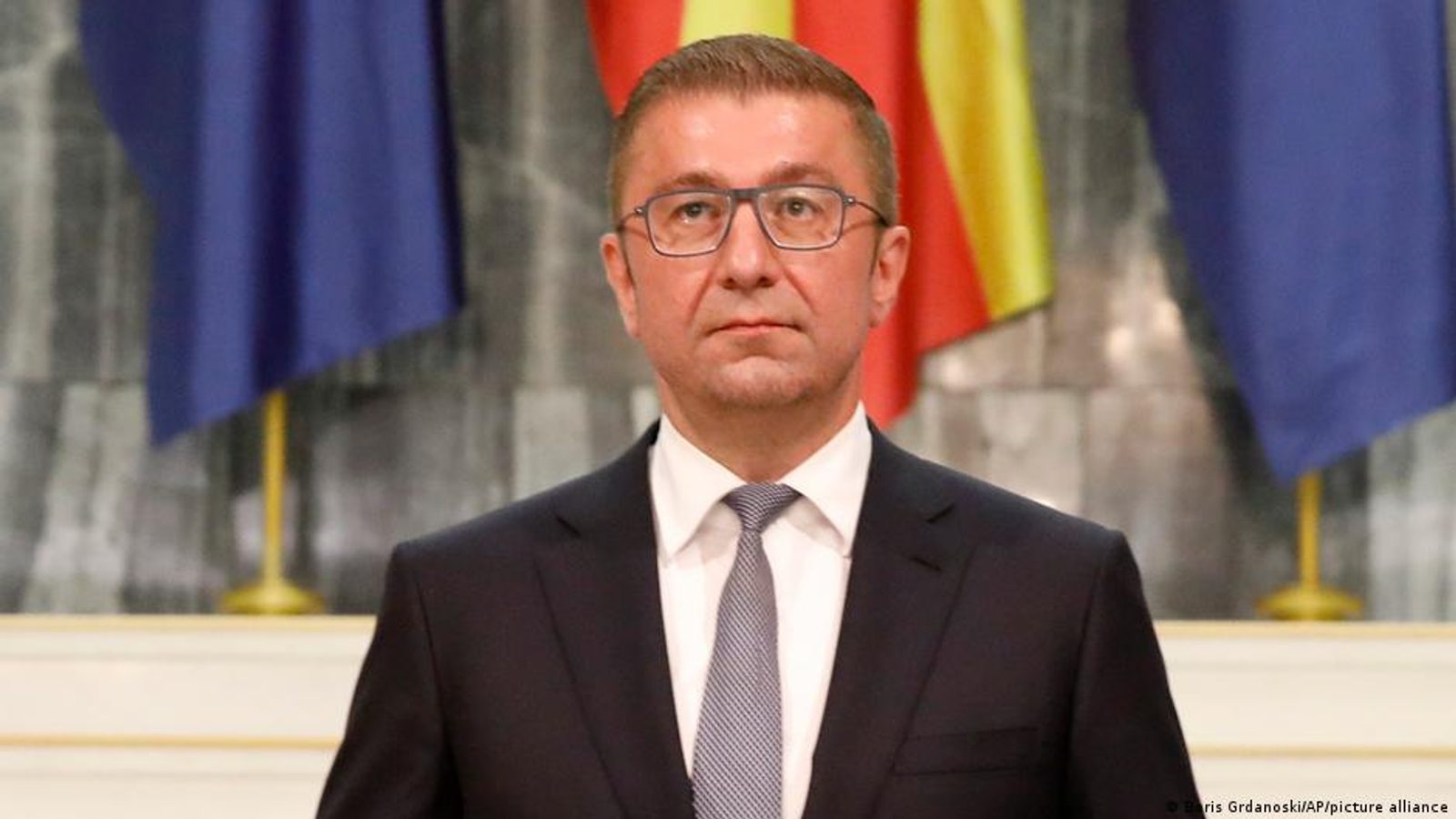
Mickoski: Data centres are the future and I stand behind building the industry
Prime Minister responded after Municipality of Pehchevo council rejected a data centre initiative on 25 August and defended technical and market arguments for the industry.

Prime Minister Hristijan Mickoski defended data centres as a strategic priority for North Macedonia, speaking after a visit to the Municipality of Berovo and in the wake of a municipal decision in Pehchevo. He framed the issue as a choice about the country's future position in the region and vowed political and technical support for the sector.
Local council rejects plan, national debate intensifies
The Municipal Council of Pehchevo on 25 August unanimously rejected an initiative to build a data centre in the town. All nine councillors voted against: five councillors from VMRO-DPMNE and allied groups, three from SDSM and its coalition partners, and one from Movement ZNAM.
Commenting on those local developments, Mickoski told reporters: "Data centres will be built because they are the future of humanity. We simply have to decide as a country whether we want to be leaders in the region or again be at the bottom. If we want to be leaders, then this is the future and I absolutely, and politically and as a professor and as an engineer, stand behind building this industry and will fully support it," after his visit to the Municipality of Berovo.
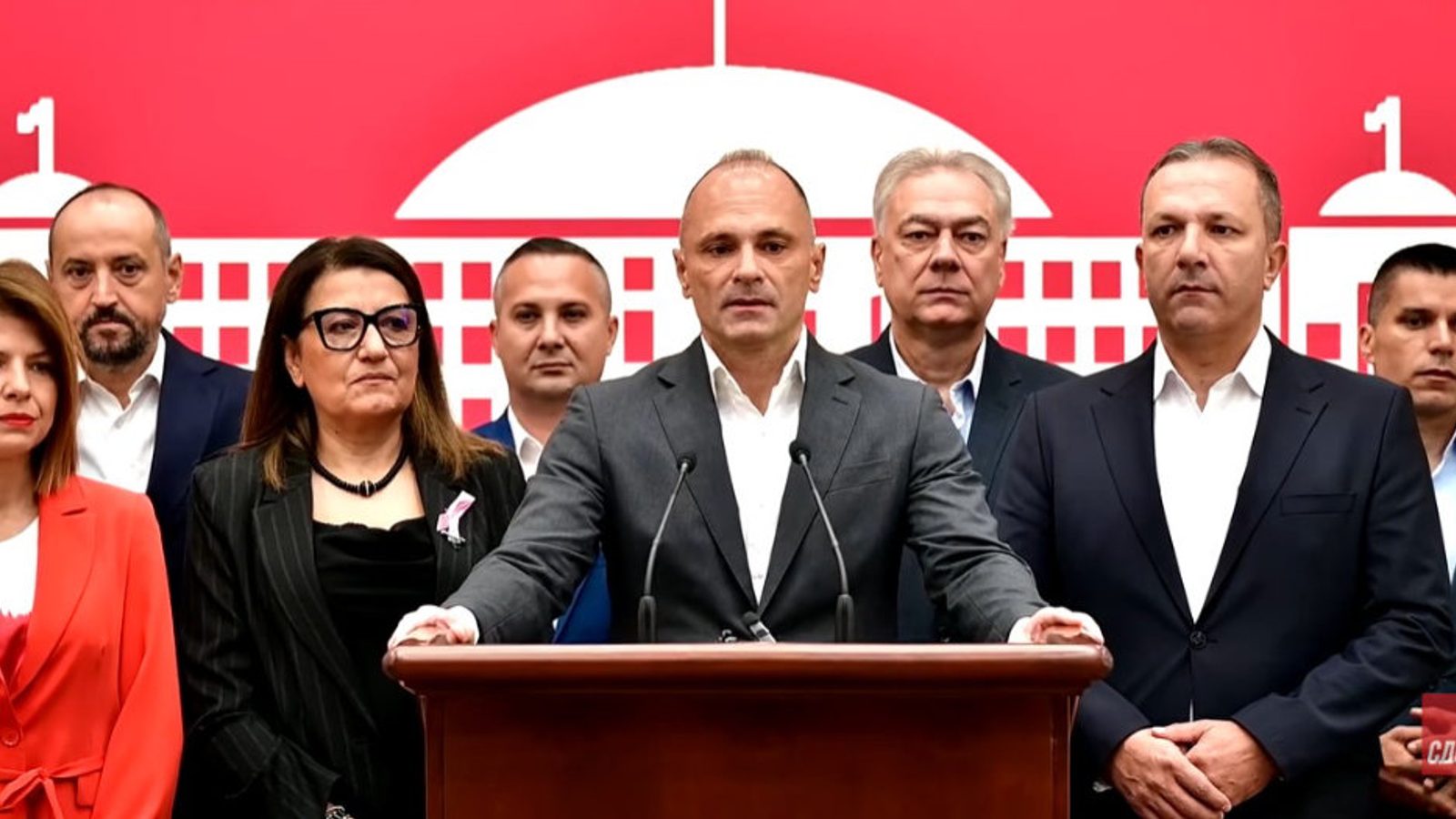
Opposition SDSM has sharply criticised the idea of new data centres, citing risks seen in other countries — especially high electricity consumption, noise and the use of water resources. The party's objections have helped fuel a public debate over local approvals and environmental impacts.
Mickoski dismissed parts of that criticism as outdated and misleading. "I hear those polemics that come from the opposition. What they say is far from the truth. Imagine what would happen to global multinational companies worth several trillion dollars if they negatively affected citizens' quality of life. I see a public debate in some media close to the opposition that sends messages about who will pay the electricity bill. The electricity will be paid by whoever consumes it, at a price agreed on the free market. When it comes to the cooling system, I also want to say that they are sending messages that are 10, 15, 20 years old. There are completely different cooling methods, depending on the purpose of those data centres, whether they will be used for artificial intelligence or for other purposes," he added.
He also noted that the country already has a secondary data centre in Prilep and that the Government of North Macedonia's reform agenda includes a project to build a national data centre that would, through an interoperability system, gather institutions in a single location.
Photo: K. Popov)