Mickoski: Germany and France election results will determine EU enlargement appetite
Prime Minister says outcomes in Germany and France will shape whether enlargement remains a priority; government continues talks to unblock accession.
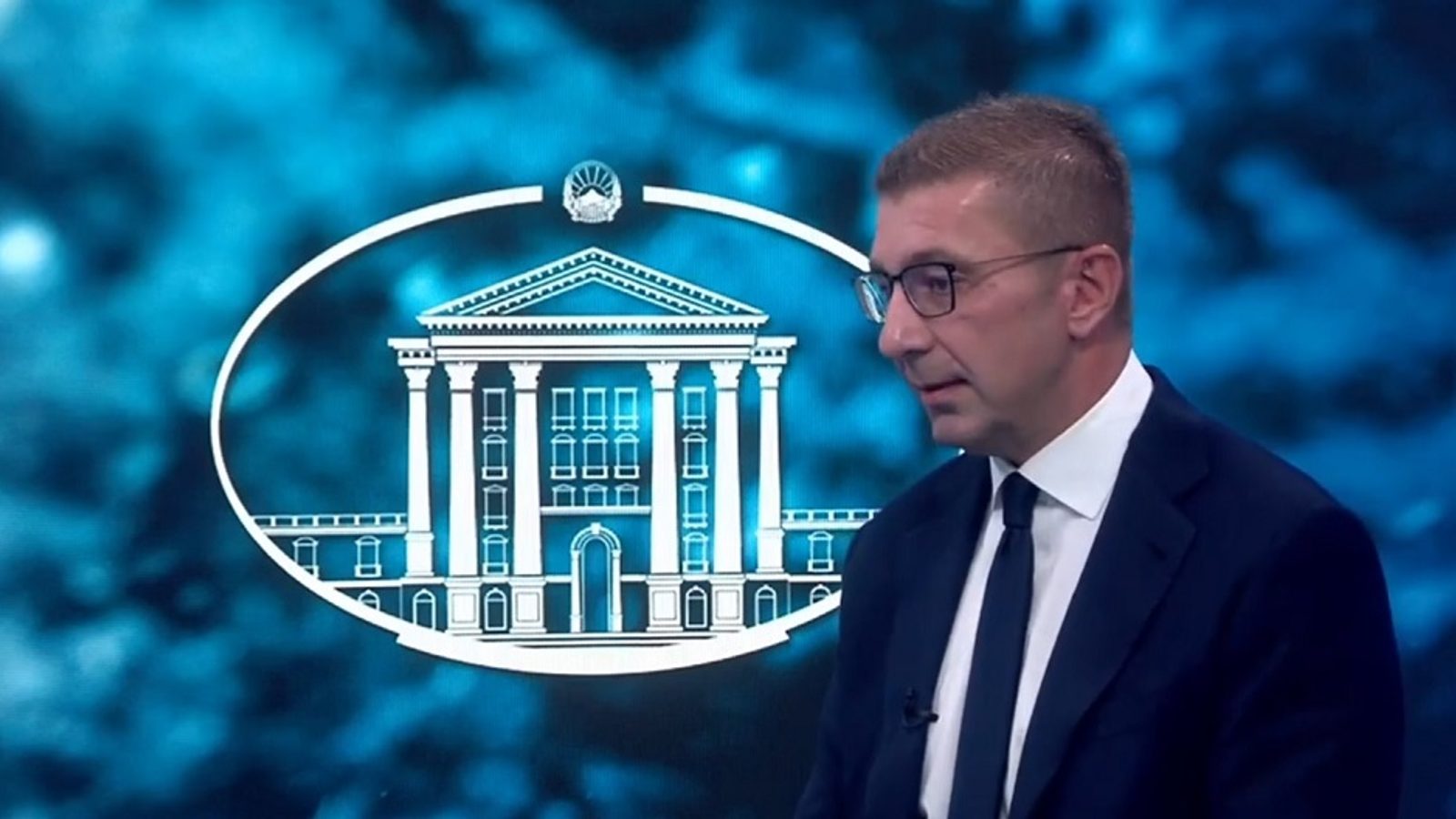
Prime Minister Hristijan Mickoski warned that the outcome of upcoming regional elections in Germany and next spring’s presidential vote in France could determine whether the European Union keeps enlargement high on its agenda or turns inward to domestic issues.
Speaking on Sitel TV, Mickoski said the government is actively seeking ways to unblock North Macedonia’s EU accession process but that external political shifts in the EU’s largest economies may complicate those efforts.
Election results in Berlin and Paris matter, he said
“The first such challenges will take place this autumn, in Europe’s largest economy, Germany, where there are state elections and we see a high rating for Alternative for Germany, AfD, which in one of the states, Saxony-Anhalt, could even form a government on its own. That could be an indicator of restructuring and repositioning in German society and Germany as a state. And I am not sure whether then the appetite for enlargement will still be present or the focus will be on domestic challenges,” Mickoski said.
He added that uncertainty also exists in France, the EU’s second-largest economy, where the run-up to the presidential elections shows strong chances for Marine Le Pen, Jordan Bardella and others. “You know their policy on EU enlargement. And on the other side, you know what is required in the French parliament – three-fifths or a referendum to accept new EU members,” he said.
Mickoski said his government has been in talks with European partners to seek a way forward and that those conversations are not secret. He told listeners he discussed the matter during talks in Tivat with French President Emmanuel Macron and German Chancellor Friedrich Merz.
On the domestic position, Mickoski was blunt about the legacy his government inherited: it was left, he said, in a “completely treacherous losing position” because of the commitments signed by the previous administration, and his government is trying “step by step” to recover what it can. He used the expression “lost position 100:0” to describe the country’s standing on the issue when his cabinet took office.
He also flagged that the government aims to respond to the challenges with accelerated reforms. Citing progress under the Reform Agenda, Mickoski said that after the December report his country became one of the largest beneficiaries of funds under that framework and that the June report should confirm further gains, including possible additional funds. “If to date we have a total budget – loan, grant and budget support – of 750 million euros, that additional increase of the envelope, because three countries are not delivering enough and not advancing in the process – Serbia, Kosovo and Bosnia and Herzegovina – it is logical that funds left unused there would be allocated to these countries,” he said.
Foreign Minister Timcho Mucunski has also acknowledged that there are talks “under the radar” to try to unblock North Macedonia’s EU path and has said the government will not concede on identity, history, language and culture issues or disclose negotiation details if it wants those talks to succeed.
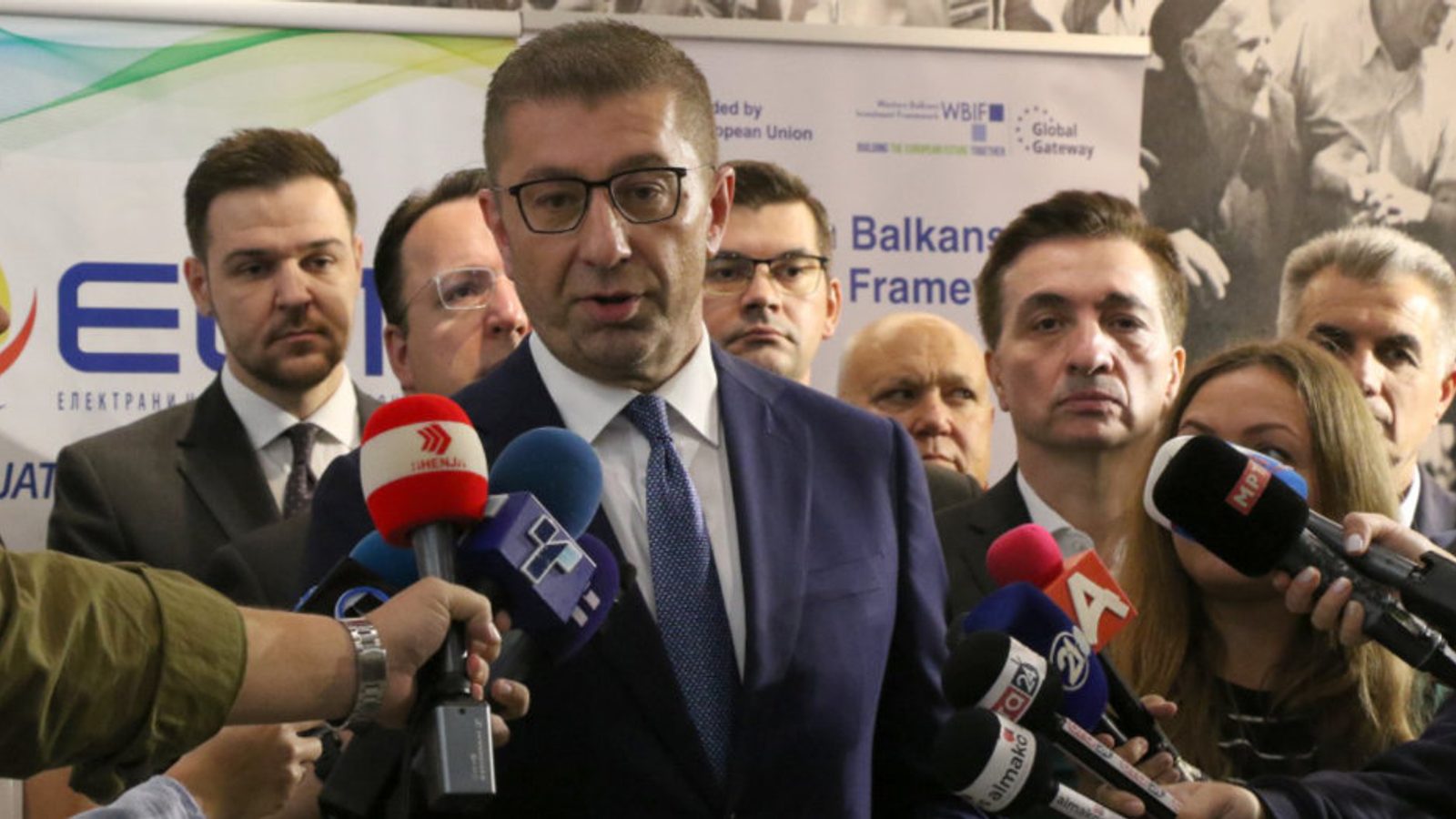
Photo: press material from the event