Hristijan Mickoski in the US: Antimony, data centres and energy deals
Mickoski says Washington offered initial funding and discussed investments in antimony, data centres and gas infrastructure during meetings in New York and with DFC.
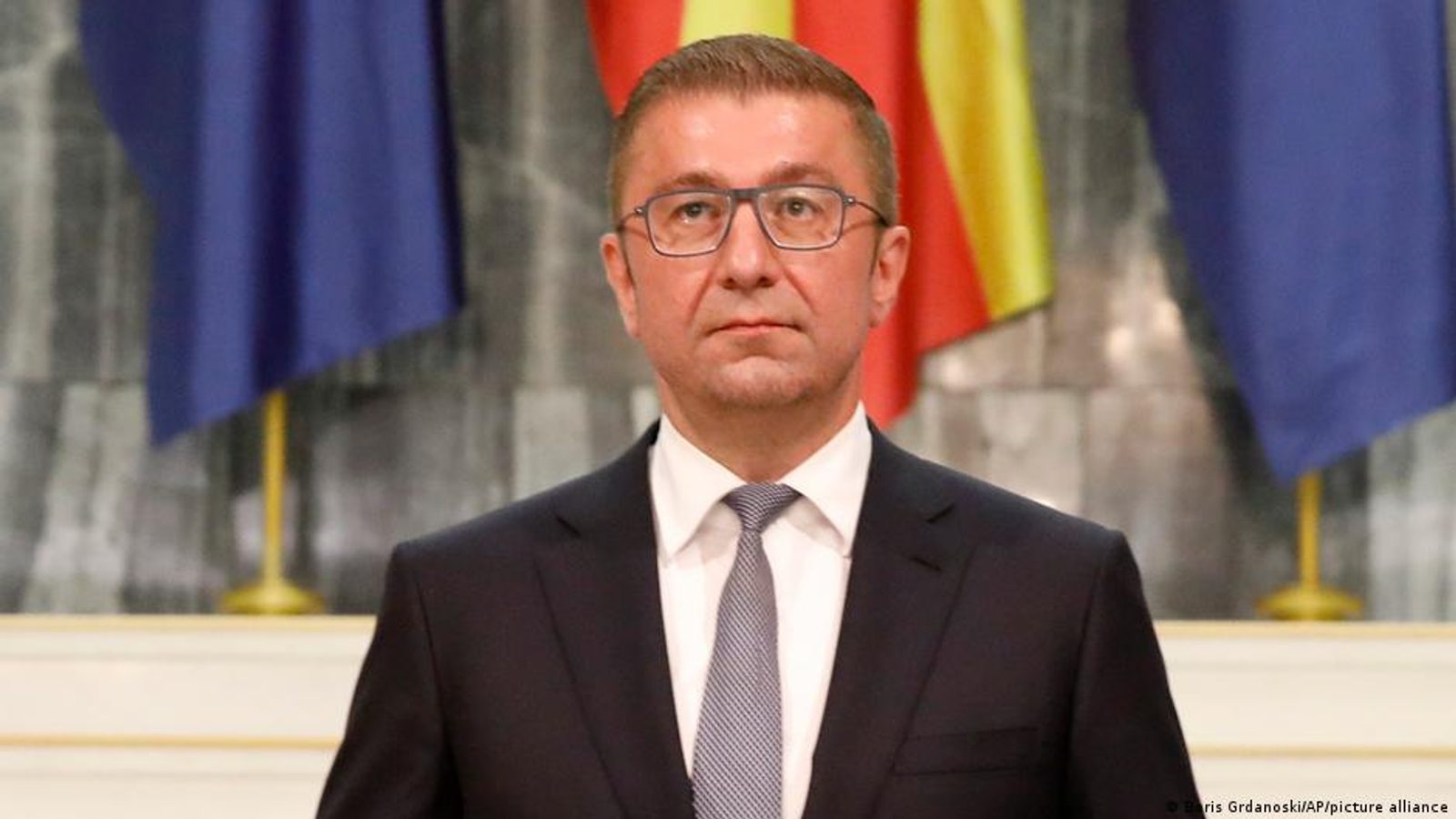
Prime Minister Hristijan Mickoski returned from a working visit to the United States on September 21, 2026, announcing steps to deepen the strategic partnership with Washington and to attract American investment in several priority sectors: antimony mining, data centres and energy infrastructure.
Mickoski said his meetings with U.S. officials — including a discussion in New York with U.S. Secretary of State Marco Rubio — confirmed the importance of continued high‑level political dialogue between the two countries. "These talks are of particular importance and confirm the significance of the strategic partnership and the ongoing political dialogue with the United States of America," he said.
One of the most prominent topics of the visit was the development of the antimony deposits near Kriva Palanka, around the Krstov Dol and Luke sites. In an interview with the Atlantic Council Mickoski stressed that antimony is a critical mineral with applications in the defence industry and said North Macedonia holds substantial reserves. He stated that initial estimates suggest the deposits "could be larger than those held by leading global producers Russia and China."
In a separate interview with MIA, Mickoski said the U.S. side has already provided a grant of $5 million to support development of the project, while stressing this is only an initial step in broader cooperation across energy, infrastructure and critical minerals.
Energy finance and the proposed gas corridor
Mickoski also discussed possible U.S. investment in the energy sector. Talks with the U.S. Development Finance Corporation (DFC) covered financing options for the Chebren and Galište projects and other infrastructure initiatives. He argued that a new gas pipeline linking the Alexandroupolis LNG terminal through North Macedonia to Central Europe would improve the country’s geostrategic position and enable expanded investment in gas‑fired power and industry.
On technology policy, the prime minister said attracting modern data centres is a key pillar of the government’s economic strategy. He mentioned conversations with several American firms, including Rumble owner Chris Pavlovski, and argued that advanced cooling and design can limit environmental risks. "This is an irreversible process. High technology is one of the three pillars of the Government’s development strategy, together with infrastructure and energy," Mickoski said, adding that such projects should raise GDP and living standards.
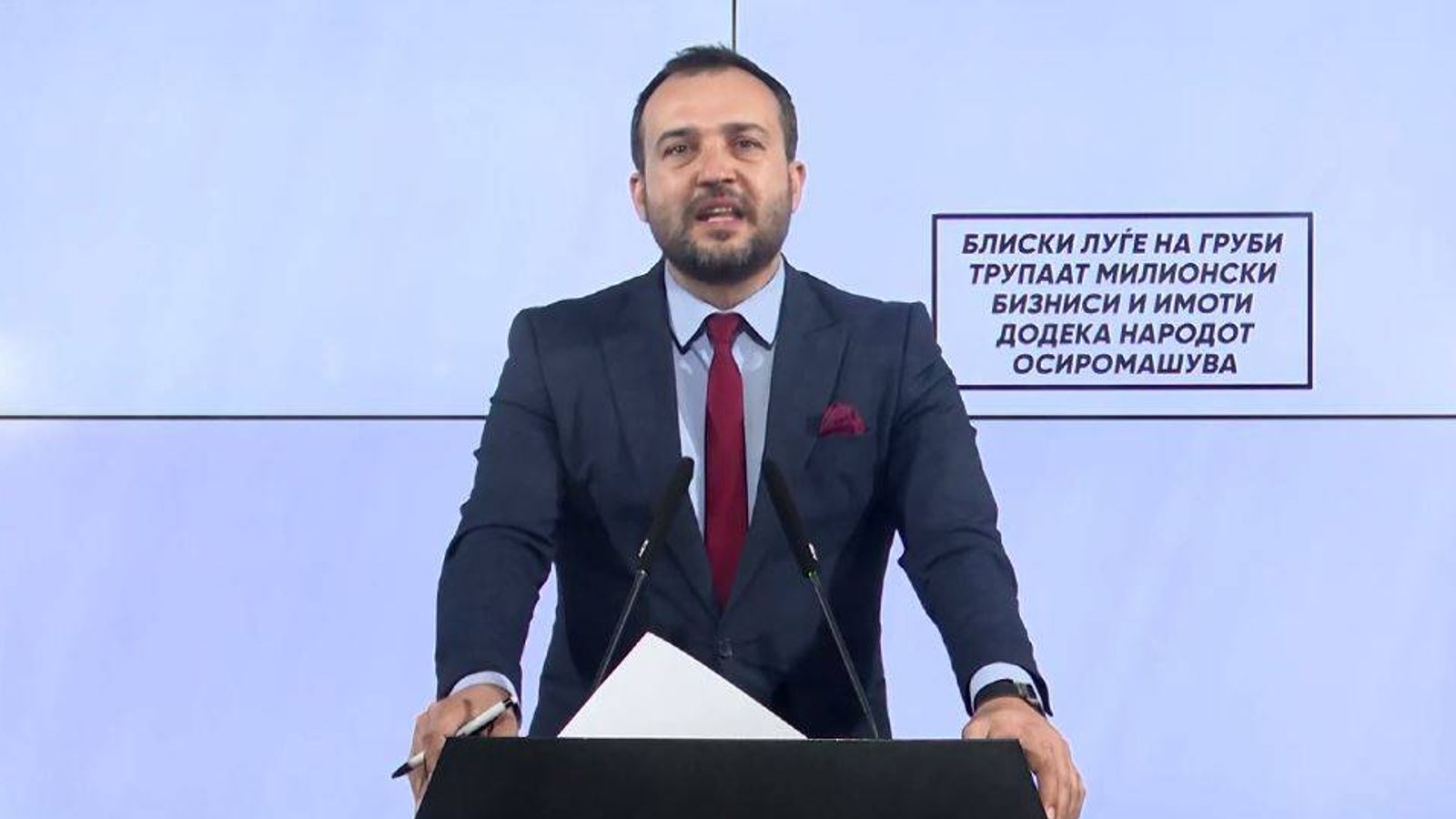
The ruling government’s plans — including the strategic investment for exploitation of the Luke antimony deposit first announced on April 7, 2026, and the proposal to export mined antimony to the United States for processing in a smelter to be built in Oklahoma — have prompted public debate. Opposition SDSM questioned the visit’s concrete outcomes, criticised the significance of the meeting with Rubio and the announced grant, and demanded more information on economic justification and environmental risks. "This is not diplomacy, this is an excursion. A corridor is not a cabinet. A grant is not a mine," the party said.
Photo: press material from the event