Mickoski: Diesel supplies stable through the end of 2026; European Commission warns of a difficult winter
Skopje says traders report no shortages until year-end and talks are under way to assess restart of OKTA refinery, while Brussels warns of tight markets.
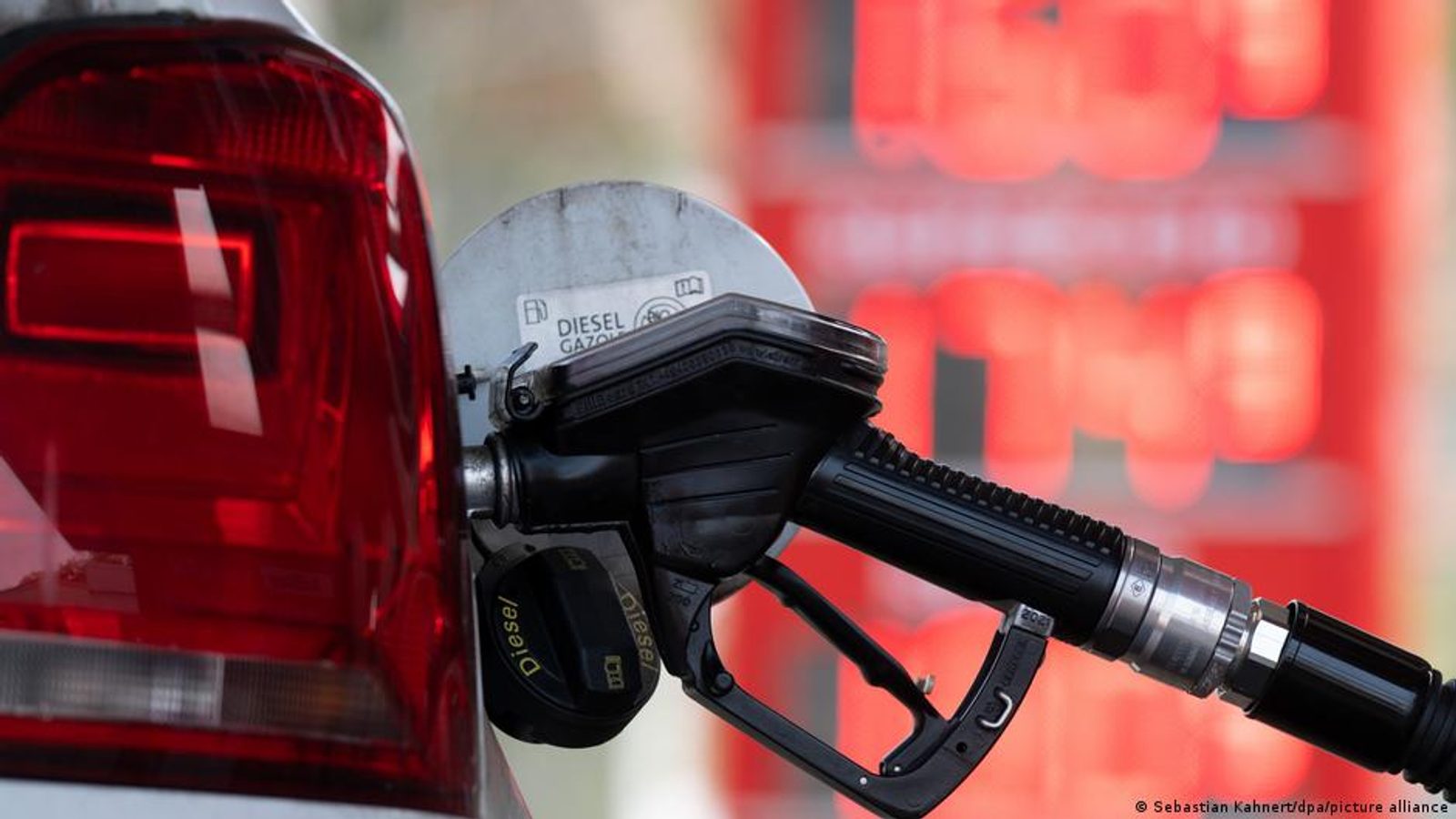
The Government of North Macedonia says there is no expected shortage of diesel fuel before the end of 2026, even as the European Commission warns of a potentially difficult winter for energy markets across Europe.
Prime Minister Hristijan Mickoski told reporters that, based on information received from oil traders, the country should not face shortages through the end of the year. He added that in private conversations traders had also indicated they do not expect problems next year.
"From what I have as feedback from the traders, until the end of the year we should not worry about any shortage. On the contrary, also unofficially in private conversations they confirmed to us that they have no problems for the next year either, meaning they will not have problems for the next year," Mickoski said at a press conference in the Government of North Macedonia.
The prime minister said authorities have discussed with the management of the OKTA refinery the possibility of restarting production there. He also highlighted that the product pipeline to the Thessaloniki port is operational, which could facilitate future imports of crude oil for local processing.
"As a state, we remain committed to the policy of the lowest fuel prices, here I primarily mean diesel fuel and unleaded 95 and 98 octane petrol. The standard of citizens for us is an imperative and our goal is to protect it as much as we can," the prime minister said, reiterating the government's price policy to shield household living standards.
According to the government, the OKTA refinery has been out of operation since 2012; checks are under way to determine whether and on what timetable it could be reactivated.
European Commission flags supply risks, proposes delay to methane rules
The European Commission has warned that Europe could face an exceptionally hard winter because of high fuel prices, limited availability and volatile market conditions. Commission spokesperson Ana‑Kaisa Itkonen said the situation remains unpredictable and there are risks related to security of supply.
To ease pressure on supply, the Commission has proposed postponing certain climate-related obligations for importers of oil, gas and coal: the requirements linked to methane emissions would take effect in 2028, one year later than originally planned, the proposal says.
Government officials in Skopje describe the energy situation as a global challenge and say they will continue to monitor markets closely while keeping measures in place to protect consumers.
Photo: press material from the event