Millions of German households to pay higher electricity and gas bills from December
About 3.7 million households will be hit by electricity increases and 1.9 million by gas hikes as hundreds of regional suppliers raise prices.
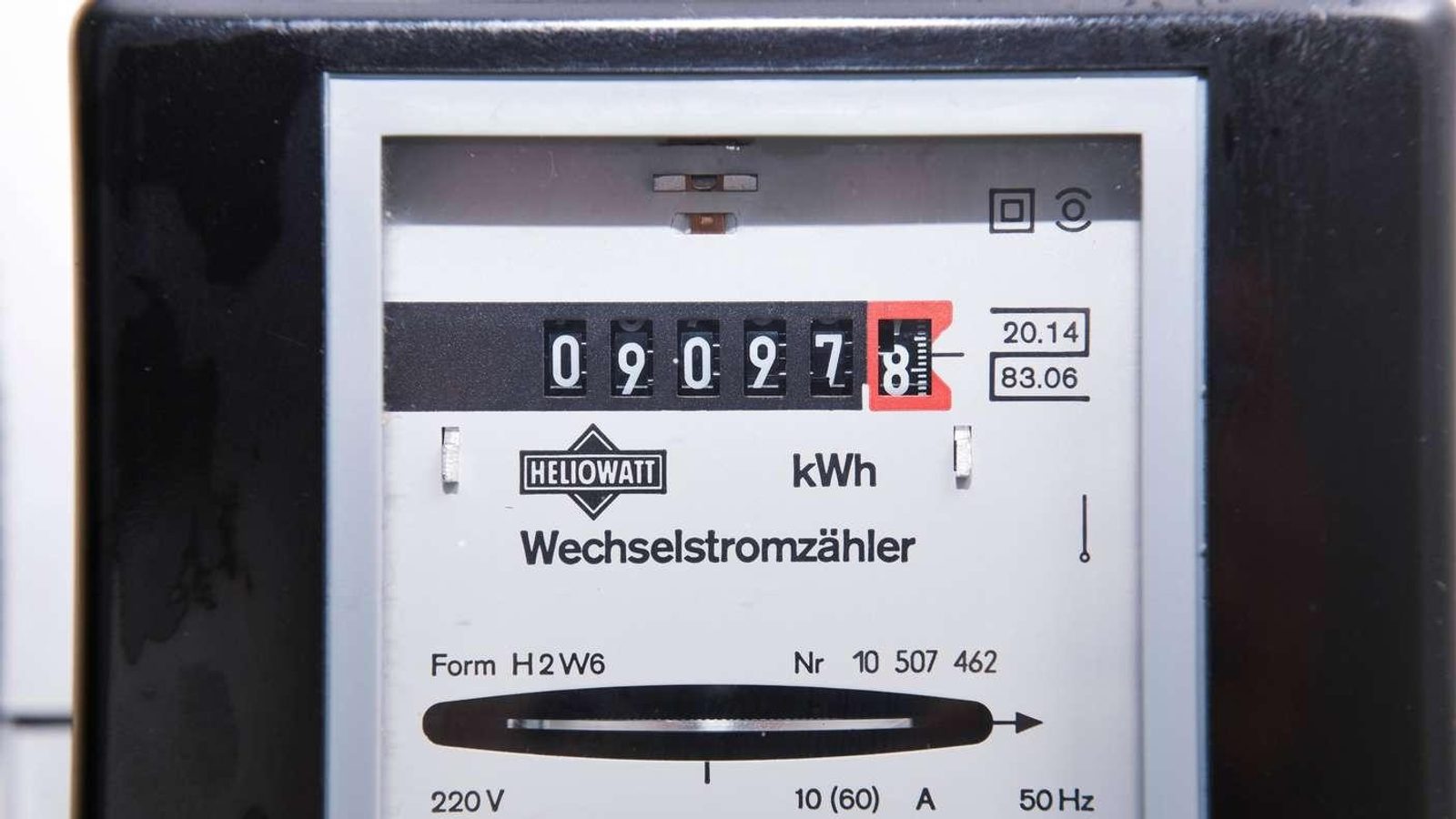
Millions of households in Germany will face higher electricity and gas bills between December 2026 and February 2027 after hundreds of regional suppliers announced price increases.
An analysis by the price-comparison site Verivox shows the announced rises average about 8% for electricity and 14% for gas. Around 3.7 million households are affected by the electricity increases and roughly 1.9 million by the gas hikes.
Who pays more — and how much
So far 329 electricity price rises have been announced. Verivox calculates that a three-person household with an annual consumption of 4,000 kilowatt-hours would pay approximately €128 more per year for electricity at the announced rates.
For gas, 361 regional suppliers have signalled higher prices. A household in a family house using about 20,000 kilowatt-hours annually would face an additional cost of roughly €370 per year. Among the companies that have announced increases are EnBW, EWE and E.ON.
The main drivers, Verivox says, are higher procurement costs on international markets and rising network-usage surcharges. Wholesale prices do not feed into consumer bills immediately: "The sharply higher wholesale prices for gas and electricity since the start of the war in Iran in March 2026 are only now showing up in consumer prices," says Thorsten Stork.
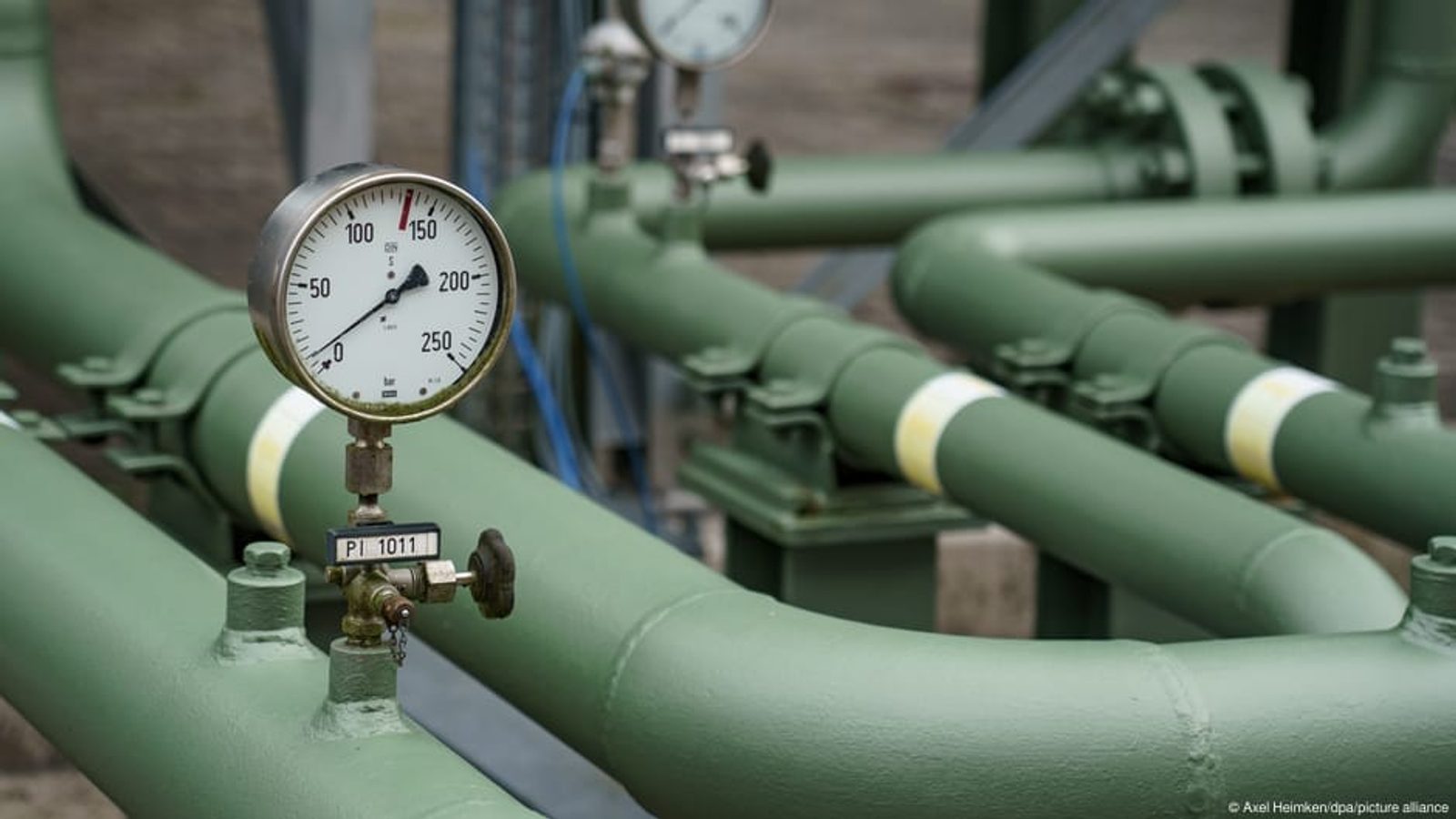
Wholesale gas prices have nearly tripled since the start of the year, according to Verivox. After Russian pipeline deliveries were cut, Germany has relied more on imports of liquefied natural gas, which has also become more expensive on world markets.
Planned relief in the form of a cut to the electricity tax from 1 January 2027 could partly offset the increases. If the reduction is passed fully to consumers, a three-person household using 4,000 kWh a year would save about €93, reducing the estimated extra electricity cost from €128 to roughly €35. That tax cut is not yet reflected in the announced price increases.
The higher tariffs do not automatically apply to all households: they affect customers on default supply tariffs — those without a special contract. The German Federal Network Agency (Bundesnetzagentur) says slightly more than one fifth of households use default electricity tariffs and slightly more than one sixth use default gas tariffs. Consumer groups advise comparing deals, because special contracts are usually cheaper and default supply contracts can be cancelled with two weeks' notice.
Photo: press material from the event