Public sector overdue invoices in North Macedonia amount to €693 million
Overdue public-sector invoices recorded in ESPEO reach 42.7 billion denars (≈€693m); infrastructure, energy and health lead the list of debtors.
Public institutions in North Macedonia had unpaid, overdue invoices totaling 42.7 billion denars, roughly €693 million, according to the Electronic System for Reporting and Recording Obligations (ESPEO) maintained by the Ministry of Finance. The size of the outstanding liabilities raises concerns about fiscal discipline and threatens liquidity for private firms that supply the state.
Major debtors by sector
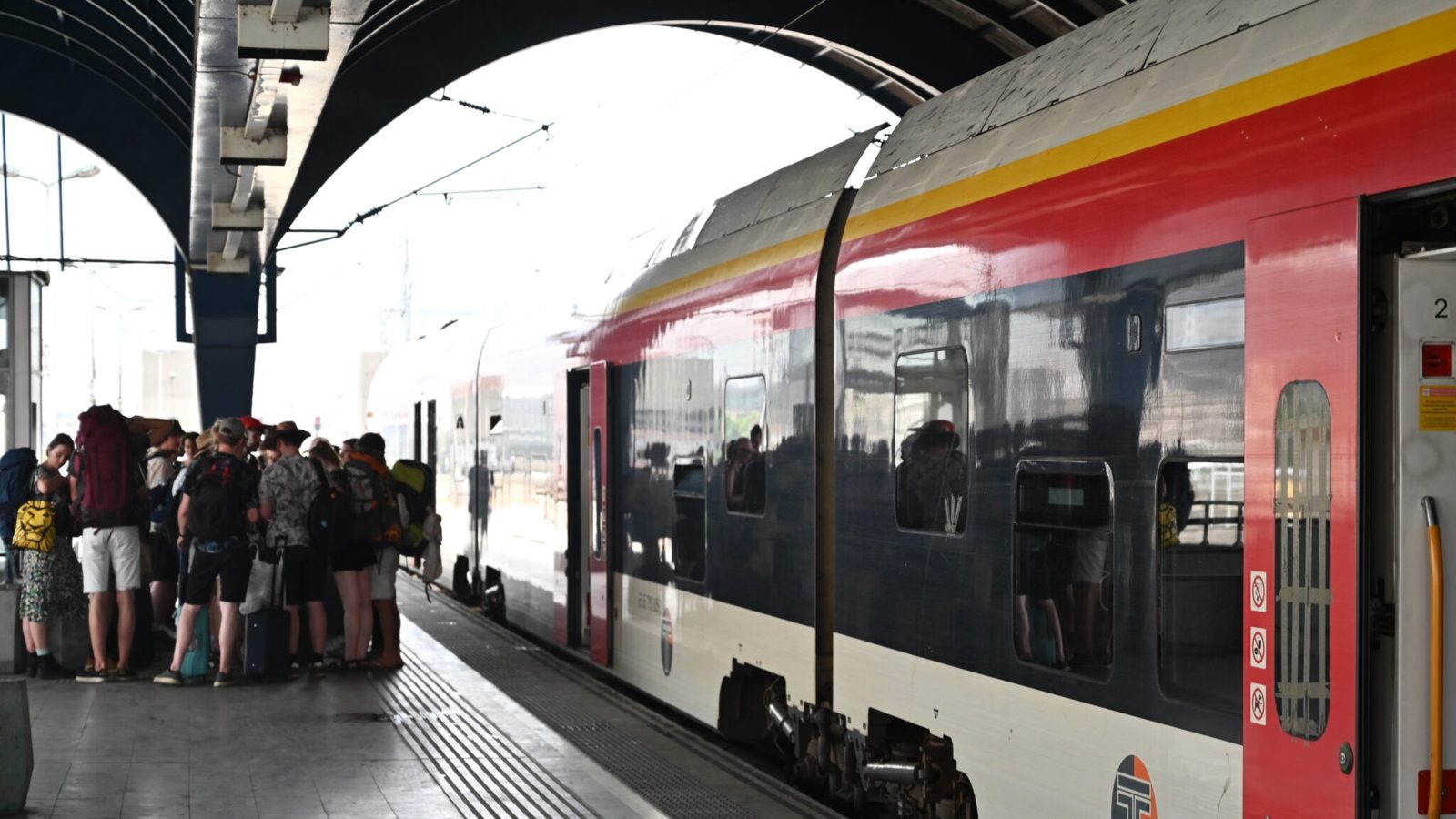
The single largest block of overdue obligations is linked to the Public Enterprise for State Roads and Railway Infrastructure – "Macedonian Railways – Infrastructure", with more than €91.5 million in outstanding invoices. Close behind is AD MŽ "Transport", which shows roughly €83.8 million in overdue claims, signaling a deep strain across the rail sector.
Health-sector public entities are also significant debtors. A public institution covering the needs of public health facilities, university clinics, an institute and an emergency centre registers about €35 million in overdue invoices, while public health facilities as a whole owe €134.2 million.
Energy companies contribute heavily to the total: AD "Elektrani na Severna Makedonija" (ESM) carries nearly €34 million in overdue obligations, and its district heating subsidiary shows about €29.7 million of unpaid invoices. State-owned enterprises and trading companies together hold about €271.5 million of the overdue sum; the water utility Vodovod i Kanalizacija Skopje accounts for approximately €13.8 million.
Municipalities alone owe €93.2 million. That figure is substantially higher than the outstanding municipal liabilities reported at the end of June 2025, which amounted to €64.7 million — a rise of €28.5 million. The largest municipal debtors are Gostivar (€14.8 million) and Tetovo (€14 million); the top five also include Saraj (€4.2 million), Karpoš (€4.1 million) and Kisela Voda (€3.9 million).
The Programme for Economic Reforms 2025–2027 foresees a steady increase in transfers from the central government to municipalities: €669 million is planned for this year and €716 million for 2027. Analysts have warned this pattern can create a moral hazard. "The growth of outstanding liabilities indicates a potential 'moral hazard' because the central authority often intervenes to service them, which undermines long-term fiscal discipline and creates an expectation that future obligations will be covered by other levels of government," Finance Think analyzes.
Photo: press material from the event