Mitrovden — 8 November: does rain on that day predict a harsh winter?
The Orthodox feast of Saint Demetrios of Thessaloniki is linked in tradition to weather signs and family customs.
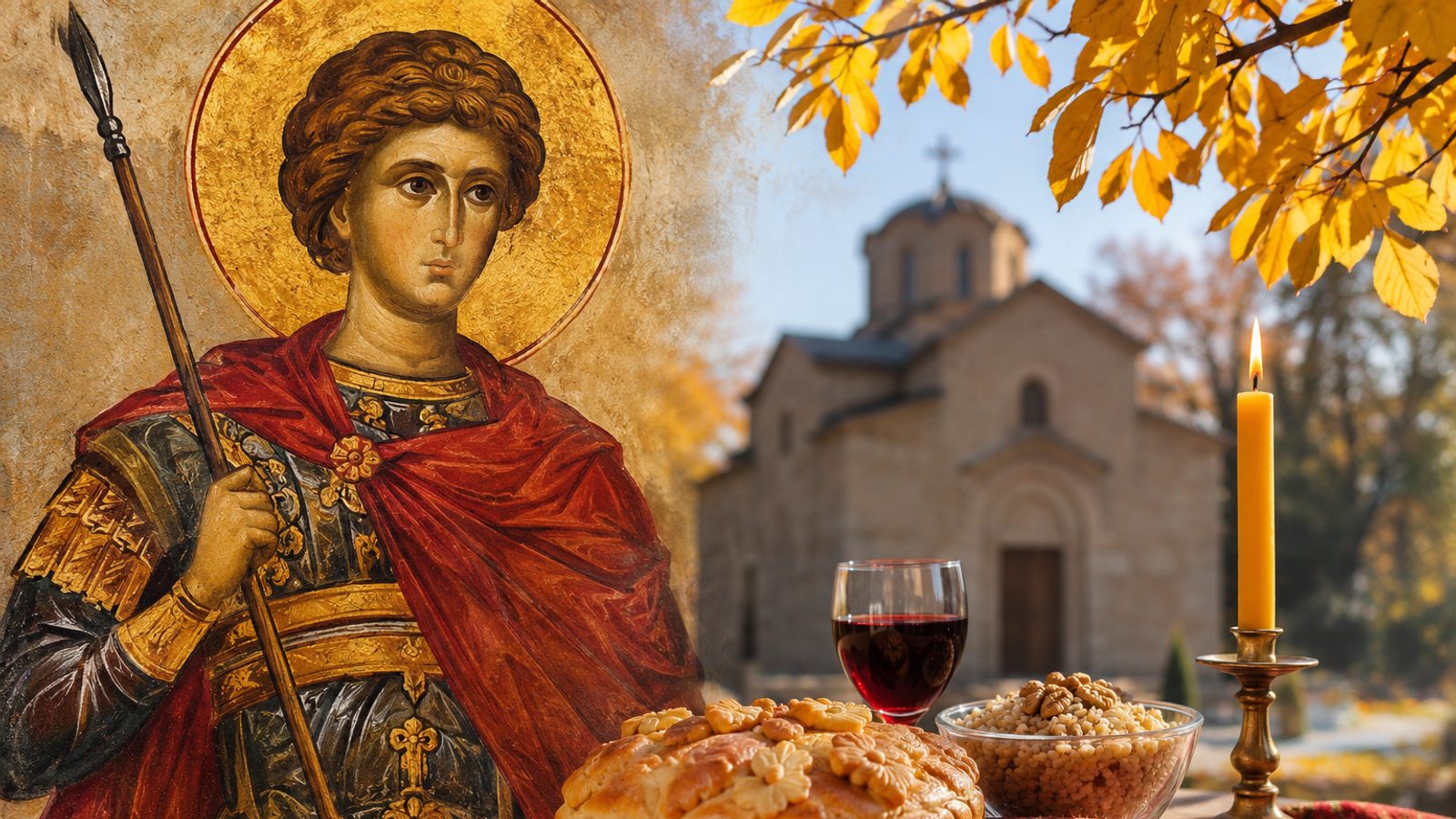
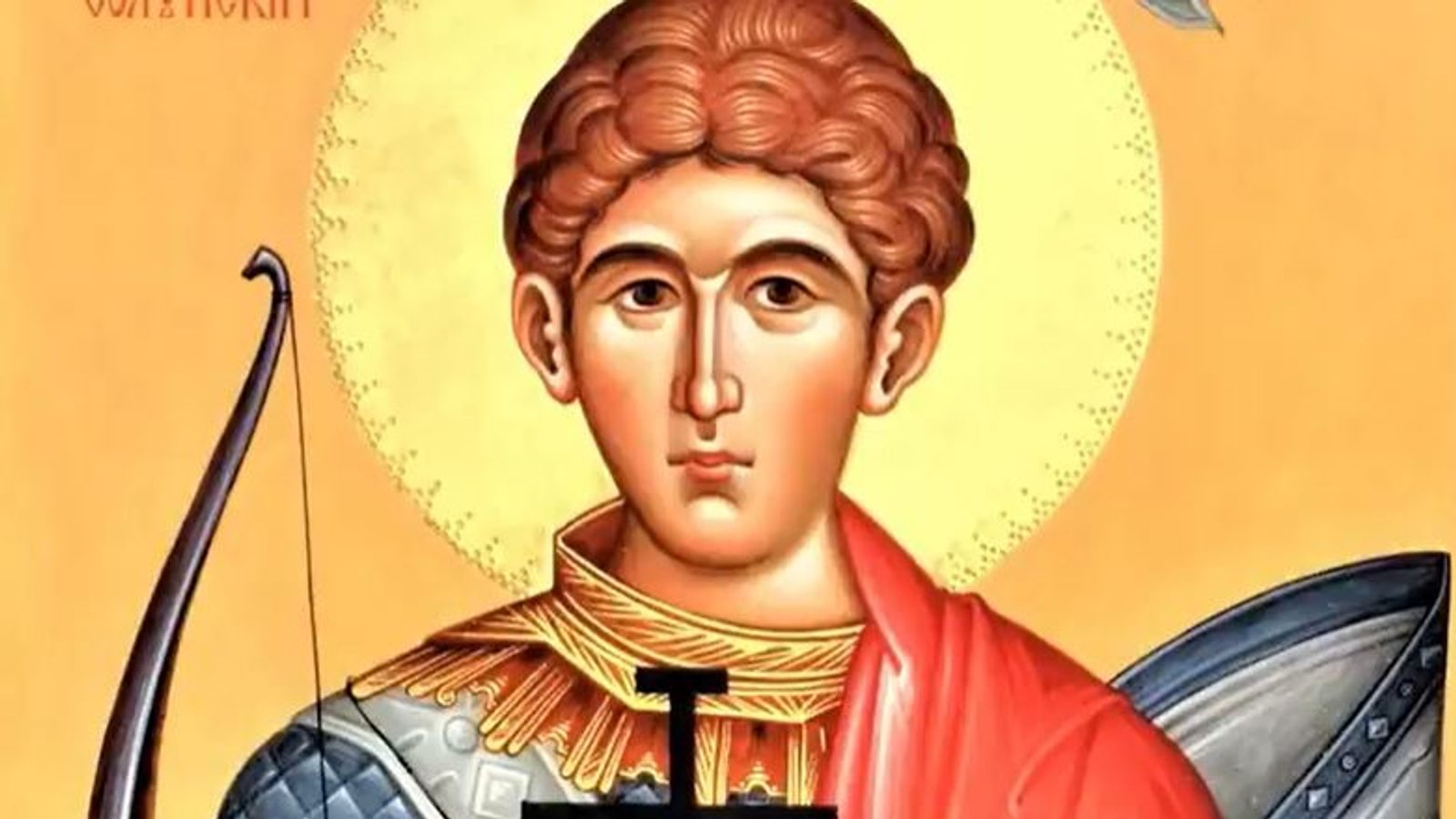
On 8 November Orthodox Christians mark Mitrovden, one of the most respected autumn feasts in folk tradition, dedicated to Saint Demetrios of Thessaloniki. Many Macedonian families celebrate it as a household slava (the family patron saint's feast), while a large number observe it as a personal name day.
Beyond its religious dimension, Mitrovden carries a range of customs and popular beliefs passed down through generations. Historically the date signalled the shift from autumn toward winter, the close of many agricultural tasks and the start of preparations for the cold months.
Weather omens and family rules
One well‑known custom says that children should not be scolded, punished or reproached on Mitrovden: the belief holds that shouting at a child that day will make them disobedient, stubborn and restless throughout the coming year. In some households the youngest are forgiven small faults and parents try to show extra patience and understanding.
Mitrovden is also associated with weather signs. According to a common folk belief, if it rains on Mitrovden and the day is cold, this foretells a long, harsh and snowy winter. Conversely, sunny and warm weather around the feast was read as a sign of a milder winter to come.
The holiday remains an occasion for family gatherings and generous festive tables. Hosts who keep the feast of Saint Demetrios welcome relatives and friends, and the day is devoted to prayer, gratitude and communal sharing. While these practices are part of folklore rather than church rules, they continue to bind religious tradition, family values and folk heritage in Macedonian homes.
Photo: press material from the event