Mitrovden memorial Saturday: what to do at church and the cemetery
On Saturday, November 7 Orthodox believers mark the Mitrovden memorial before the feast of St. Demetrius; key rituals, symbols and what to say when sharing food.
On Saturday, November 7, Orthodox Christians observe the Mitrovden memorial (the autumn zadusnica) held ahead of the feast of Saint Demetrius. The day is one of the three principal memorial Saturdays in the Orthodox calendar dedicated to communal remembrance of the dead.
The observance normally begins in church with the Divine Liturgy and a parastos (memorial service). Worshippers may hand small slips with the names of deceased relatives or friends to the clergy so they can be mentioned in prayers. After the service, people go to cemeteries to light candles, tidy graves and invite a priest to read the memorial and cense the graves.
If travel or health prevents a visit to the family grave, the faithful are encouraged to go to their nearest church, light a candle and pray for the departed; the essential act is prayer and remembrance rather than physical presence at the cemetery.
Key symbols and their meaning
Three items carry special liturgical and popular meaning on zadusnica days:
- Kolivo (boiled wheat) — a symbol of resurrection and eternal life, recalling Christ’s teaching that a grain must die in the ground to bear new fruit.
- Red/black wine — poured over the wheat during the memorial, signifying God’s mercy and Christ’s sacrifice.
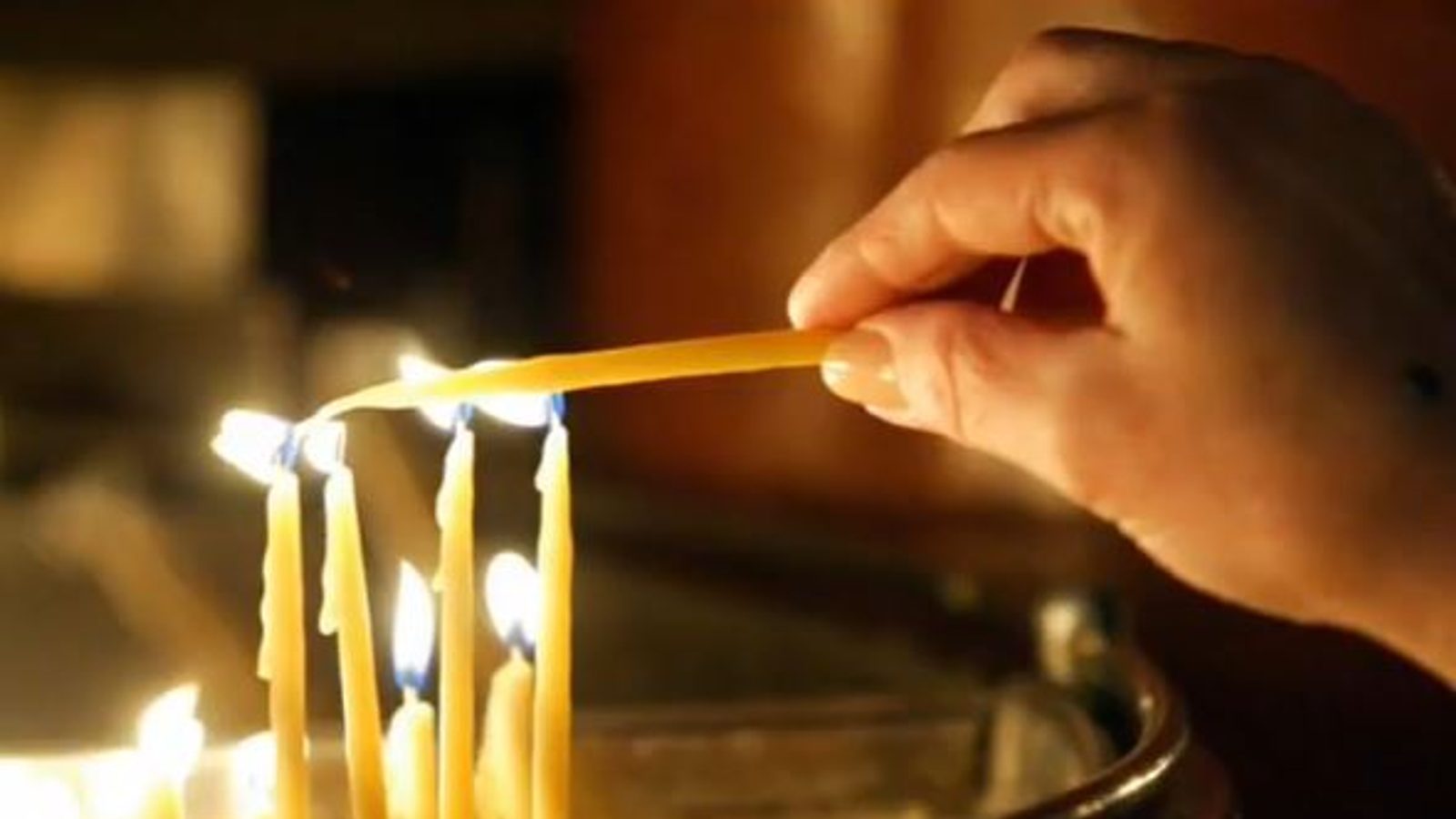
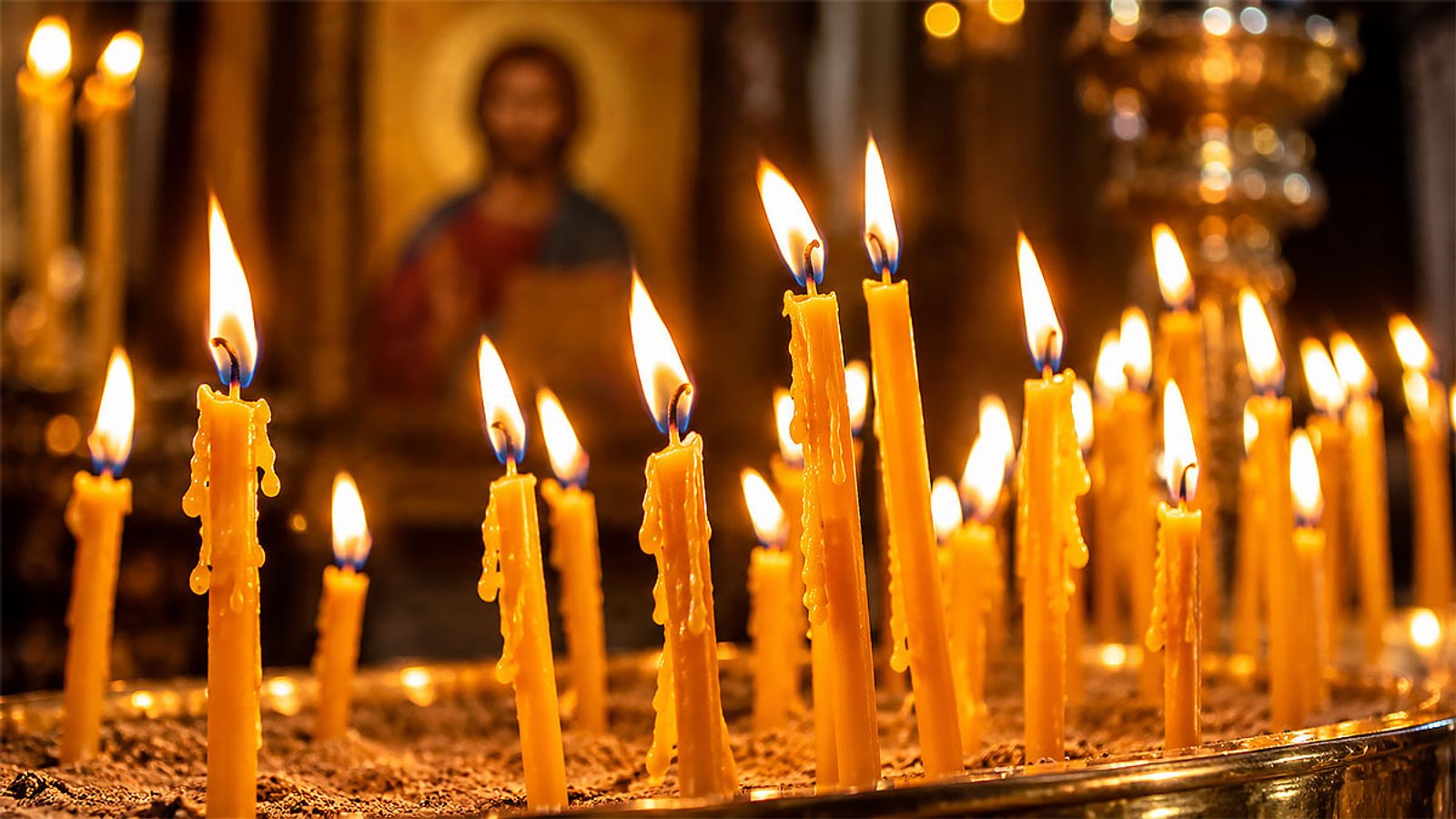
- Candle — expresses Christ’s light and the believer’s faith in life beyond death; the burning candle is itself a prayer for the repose of the soul.
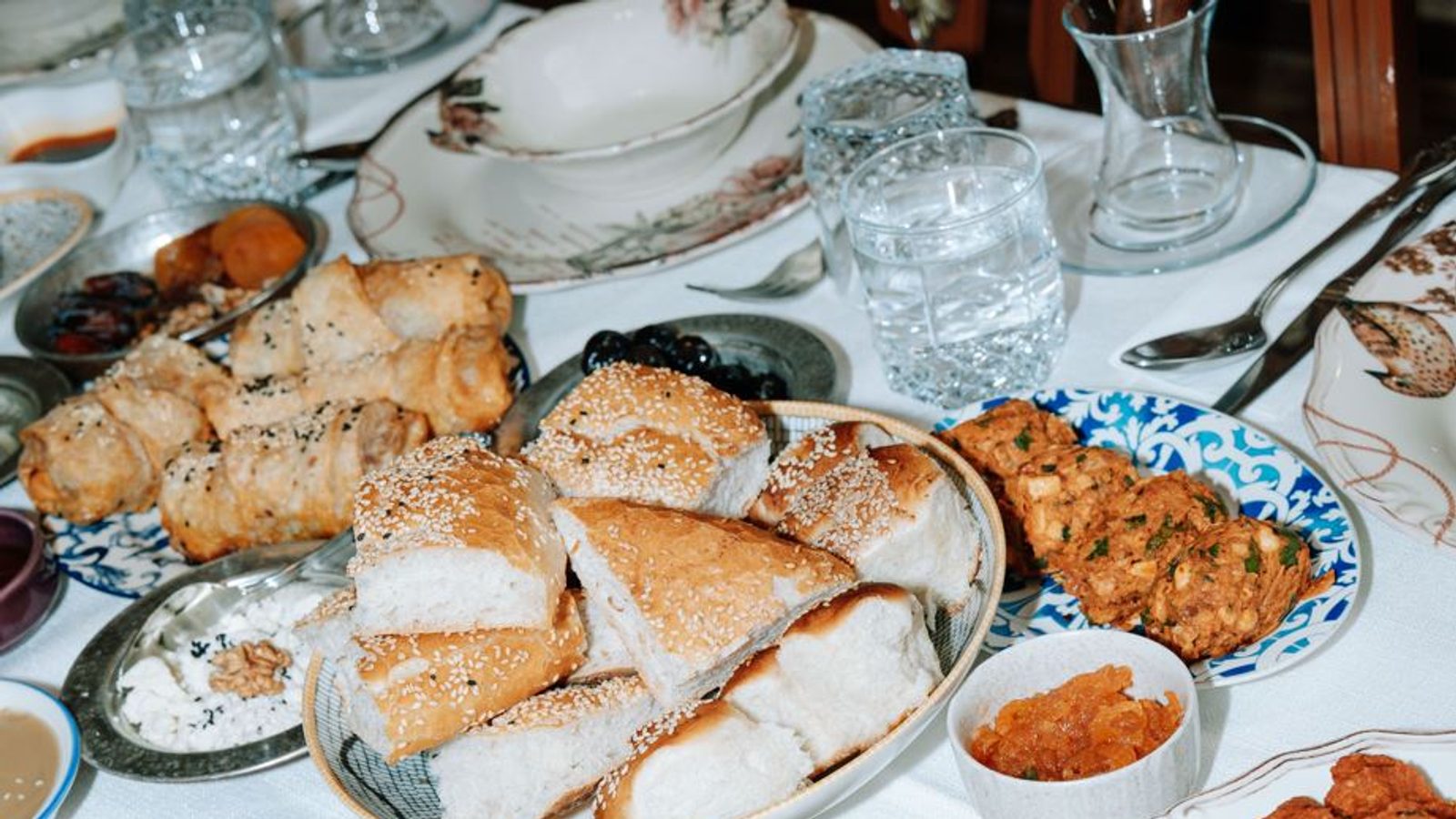
A widespread folk custom is sharing food at the cemetery as an act of charity and respect. Those offering food traditionally say, "For the repose of the soul," and those who accept reply, "May God forgive his soul."
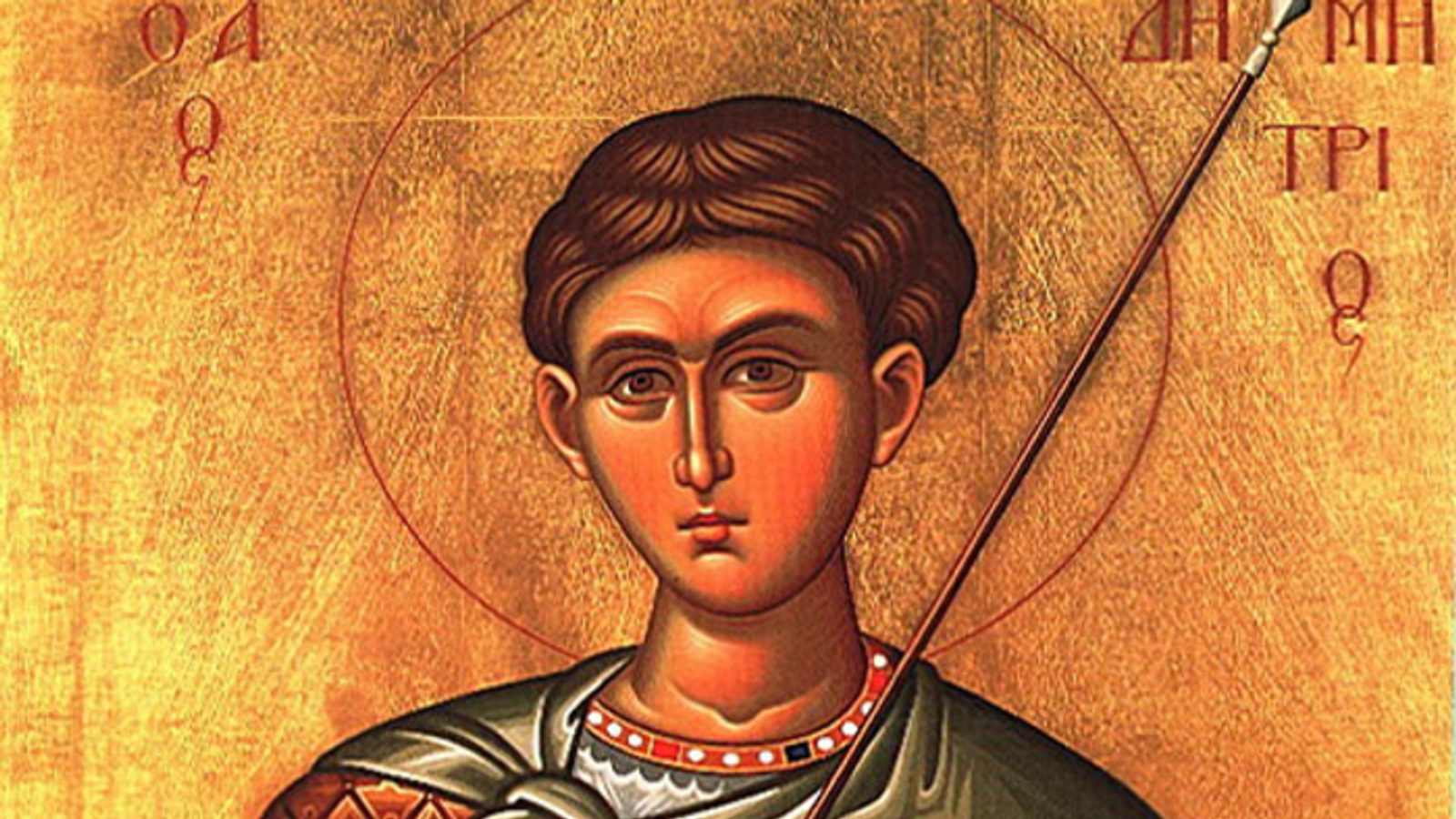
The Mitrovden memorial has a historical origin in medieval Russia: after the victory over the Tatars in 1380, Prince Dmitry Donskoy asked Sergius of Radonezh to serve a memorial for the fallen soldiers on the Saturday before the feast of Saint Demetrius, the prince’s patron. Over time the observance broadened into a day for all the departed and spread across the Slavic Orthodox churches, including the Macedonian Orthodox Church.
There are three major zadusnica observances in 2026: the winter (meatfare) memorial on February 14, the Pentecost (summer) memorial on May 30, and the Mitrovden memorial on November 7. In Orthodox tradition these memorials fall on Saturday because Saturday is dedicated to the memory of the dead — Christ lay in the tomb on Holy Saturday — and because the Church understands itself as one family of the living and the departed. Memorials begin in the church with liturgy and parastos, and extend to graveside prayers and acts of charity.
Photo: Ilustracija (AI)