Young Americans Favor Late‑1990s and Early‑2000s Cars
Gen Z buyers prefer older models for lower cost, simpler mechanics and the ability to repair them themselves
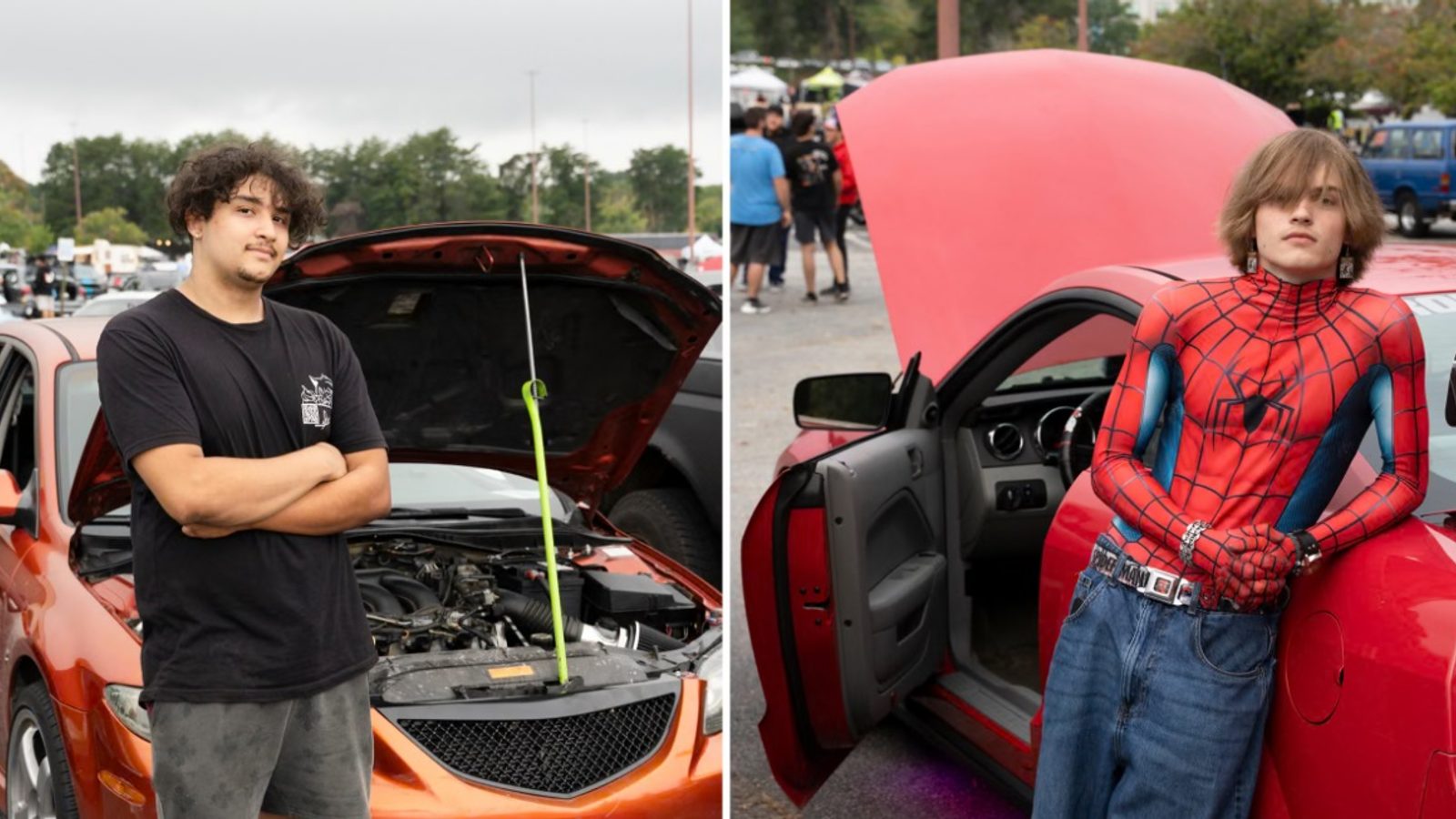
More young Americans are choosing to drive cars built in the late 1990s and early 2000s rather than buying new, expensive models. Along with lower purchase prices, these older vehicles attract buyers with simpler mechanical layouts, the ability to perform repairs themselves and a sense of nostalgia for cars with less electronics.
The shift is particularly visible among Generation Z, who increasingly show interest in models known for durability and easier upkeep. Unlike many modern vehicles that require specialized diagnostic tools and costly shop work, older cars often let owners fix mechanical faults with basic tools and modest technical know‑how.
High new‑car prices, rising insurance premiums and ongoing maintenance costs also play a key role in the trend. For some younger buyers, a used car from the late 1990s or early 2000s is a way to avoid long‑term debt while keeping monthly expenses lower.
Do‑it‑yourself repairs and learning
Owners report that straightforward engines and fewer electronic systems make hands‑on work more feasible: routine jobs such as brakes, suspension components or basic tune‑ups can be learned and completed without expensive equipment. That practical access encourages some to view car ownership as an opportunity to gain mechanical skills.
The renewed interest in older vehicles is also reshaping demand in the used‑car market and among parts suppliers. Independent garages, salvage yards and online communities that share repair guides and swap parts have become more relevant as buyers seek affordable service and sources for replacement components.
At the same time, experts warn there are trade‑offs: older cars may lack modern safety, emissions and connectivity features. Buyers balance those limits against lower cost and repairability when deciding which path best fits their budget and priorities.
Photo: Gardijan)