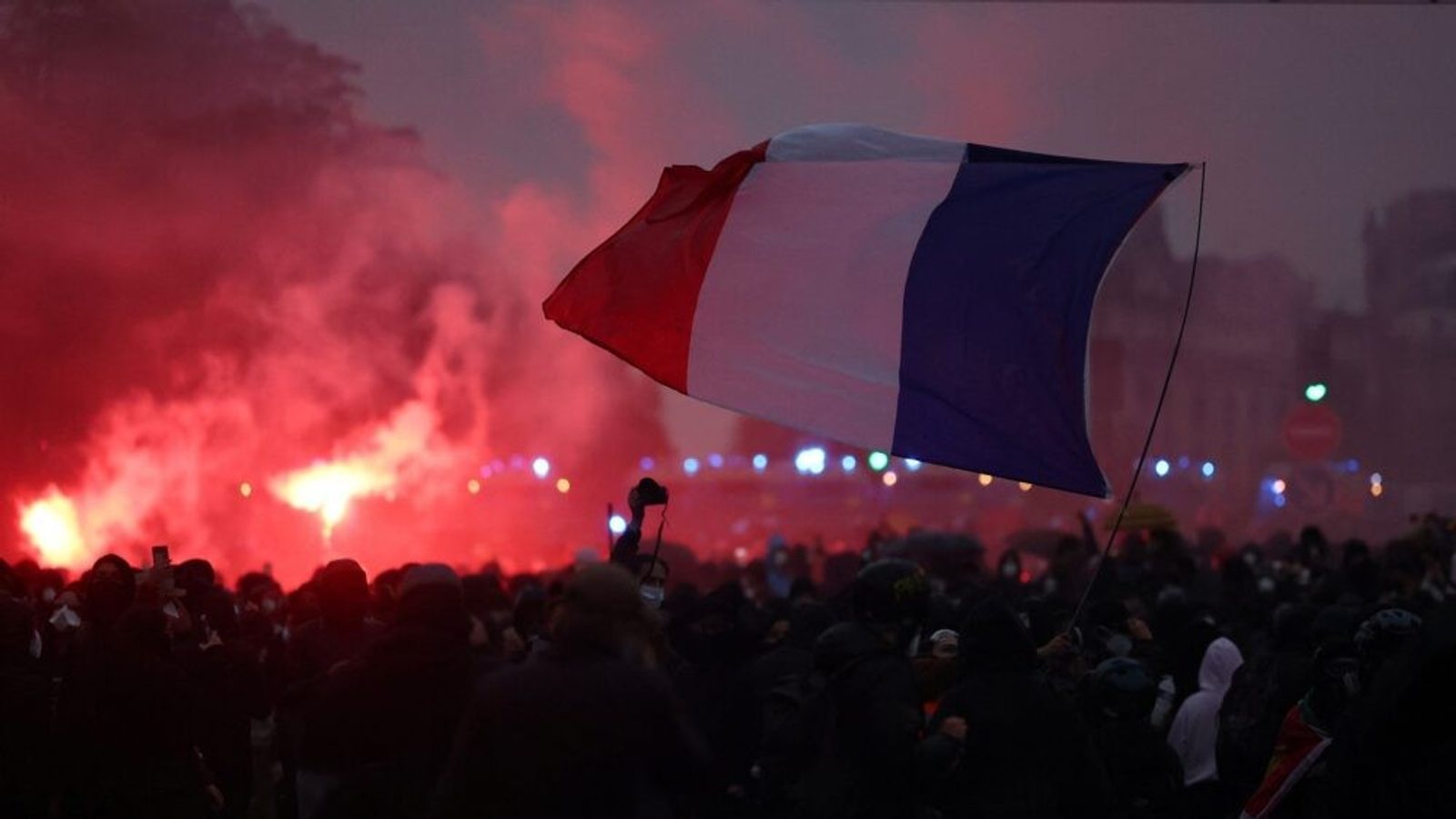
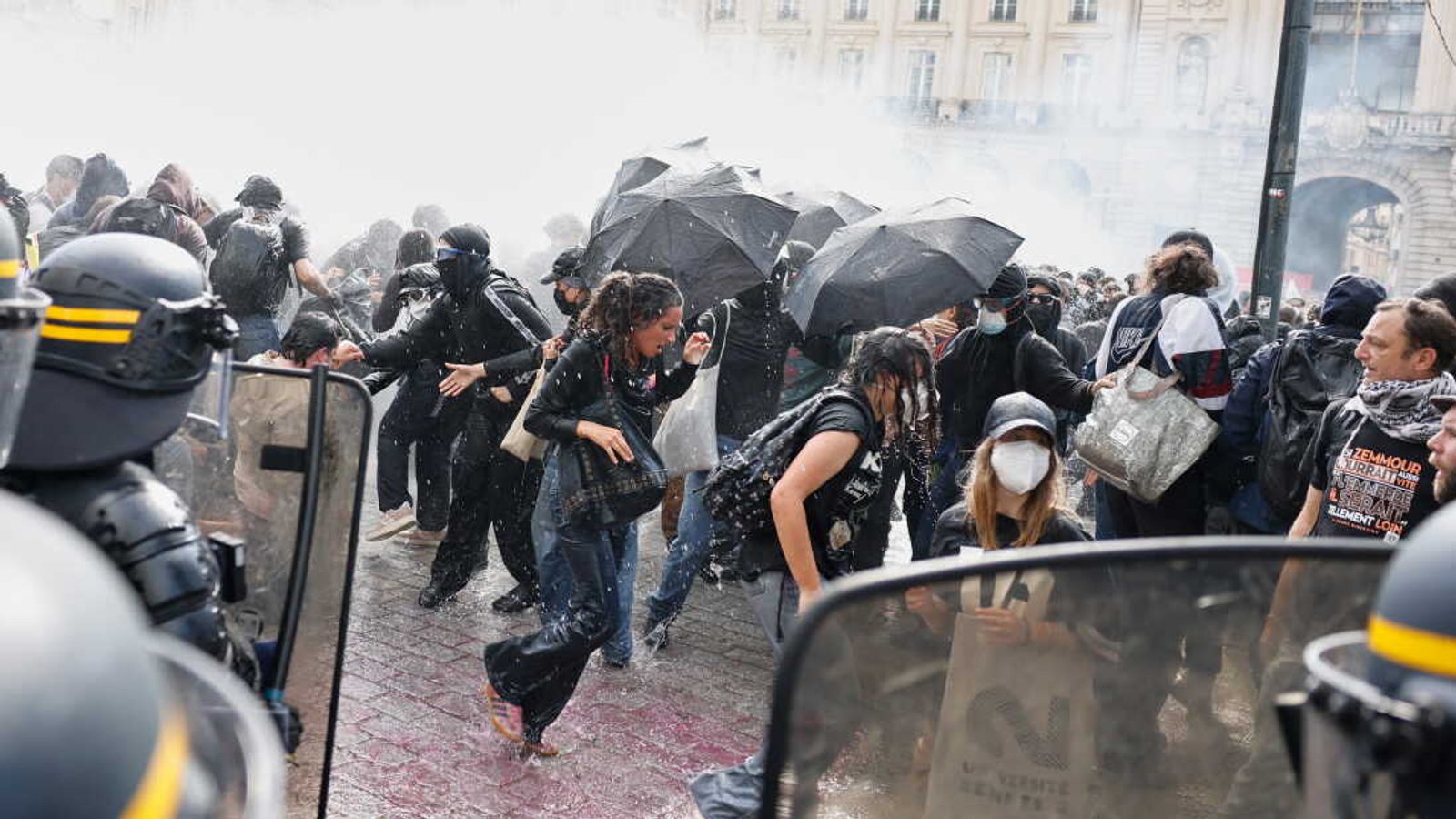
Gen‑Z protests sweep German cities; politicians warn of possible escalation
Demonstrations called by "Gen‑Z regelt" in 23 cities drew mass sign‑ups and sparked warnings from conservative politicians, while experts emphasise organisational differences with France.
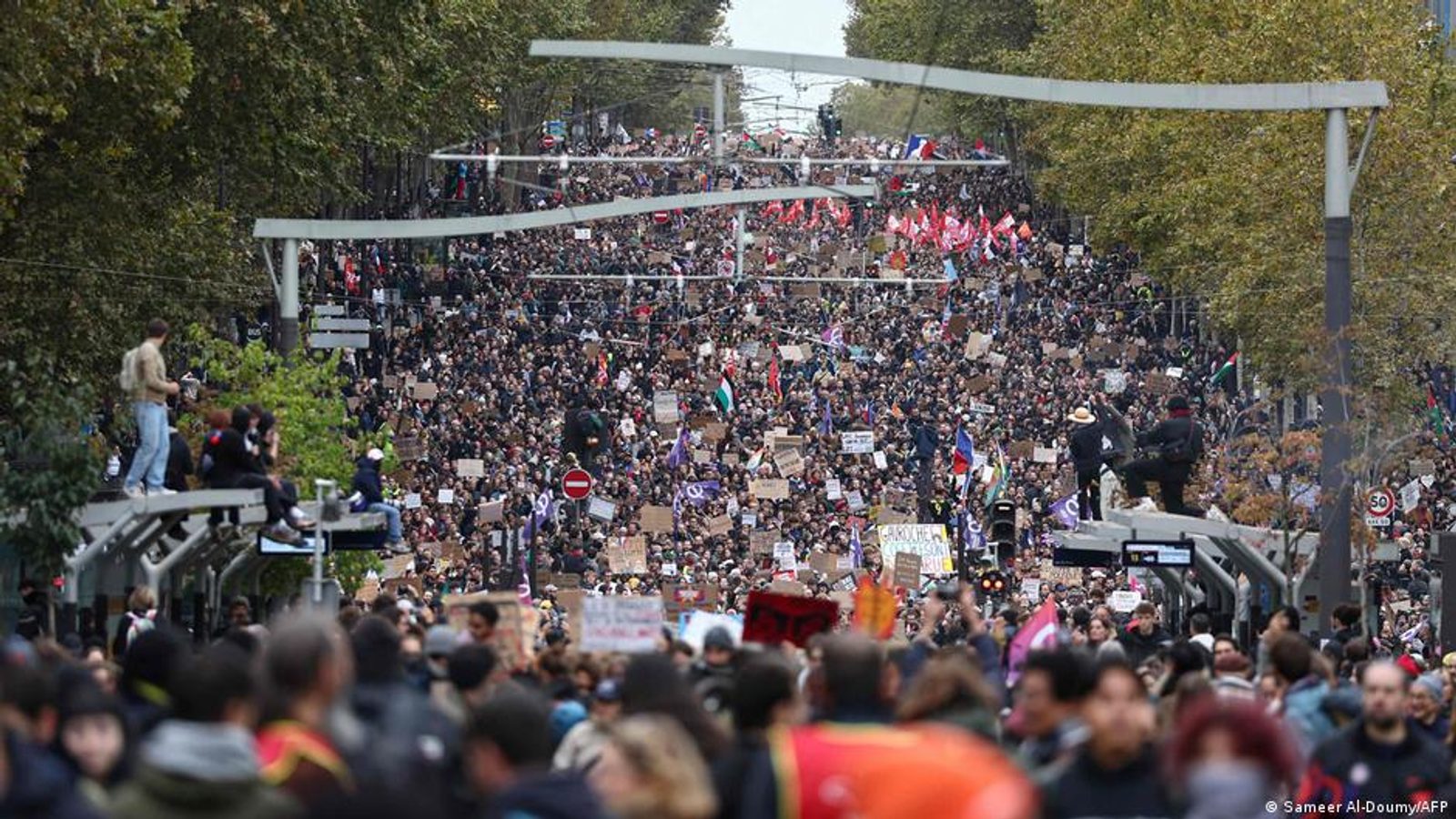
Thousands of young people across Germany took to the streets on October 31, 2026, demanding better schools and stronger climate action — a wave of demonstrations that has prompted politicians to warn of possible escalation along the lines of recent unrest in France. The online initiative "Gen‑Z regelt" called protests in 23 cities, and organisers reported around 160,000 people registered to attend by the morning of October 30, 2026.
What the movement says and what worries authorities
Gen‑Z activists frame their demands around education, the cost of living and the future viability of democratic politics in ageing societies. The term Gen‑Z generally refers to those born between 1995 and 2010, a group that organisers say is frustrated by declining school outcomes, shrinking numbers of teachers and neglected school buildings.
Conservative politicians expressed acute concern about the potential for violence. Alexander Trom of the CDU told Handelsblatt: "We must at all costs prevent scenes like those we saw in France." Mark Henrichmann, chair of the Bundestag committee that oversees the intelligence services, warned that "the network of the left‑wing extremist scene is international and coordinated." Both politicians singled out Berlin as a location where they fear such alliances could form.
Not all experts expect a repeat of the French disturbances. Sebastian Kos, a sociologist at the University of Konstanz who studies young people and protest movements, said he does not believe Germany is on the verge of riots like those seen in France, even if developments there helped prompt the German demonstrations. He noted important differences: the protests in Germany are organised, registered and explicitly call for peaceful action. Still, he cautioned that "the police and the authorities must prepare very well."
For participants, the grievances are immediate. Quentin Gertner, 19, a biotechnology student in Heidelberg and until last November secretary general of the Federal Pupils' Conference, said: "Our patience is at an end." He told reporters that many young people feel extreme frustration about weakening school performance, a shrinking teaching workforce and long‑neglected school buildings.
Green Party leader Felix Banaszak acknowledged the depth of the complaints, saying on ZDF that "the intergenerational social contract no longer functions. Older generations have brought climate policy up against a wall." He added that social systems are reaching their limits and that rising rents have put housing out of reach for many young people.
Photo: press material from the event