Young people in the UK are having less sex but exchanging more explicit images
One-in-three 16–24-year-olds have never had sex and sexual frequency has fallen since 1990, while exchanging explicit images is increasing.
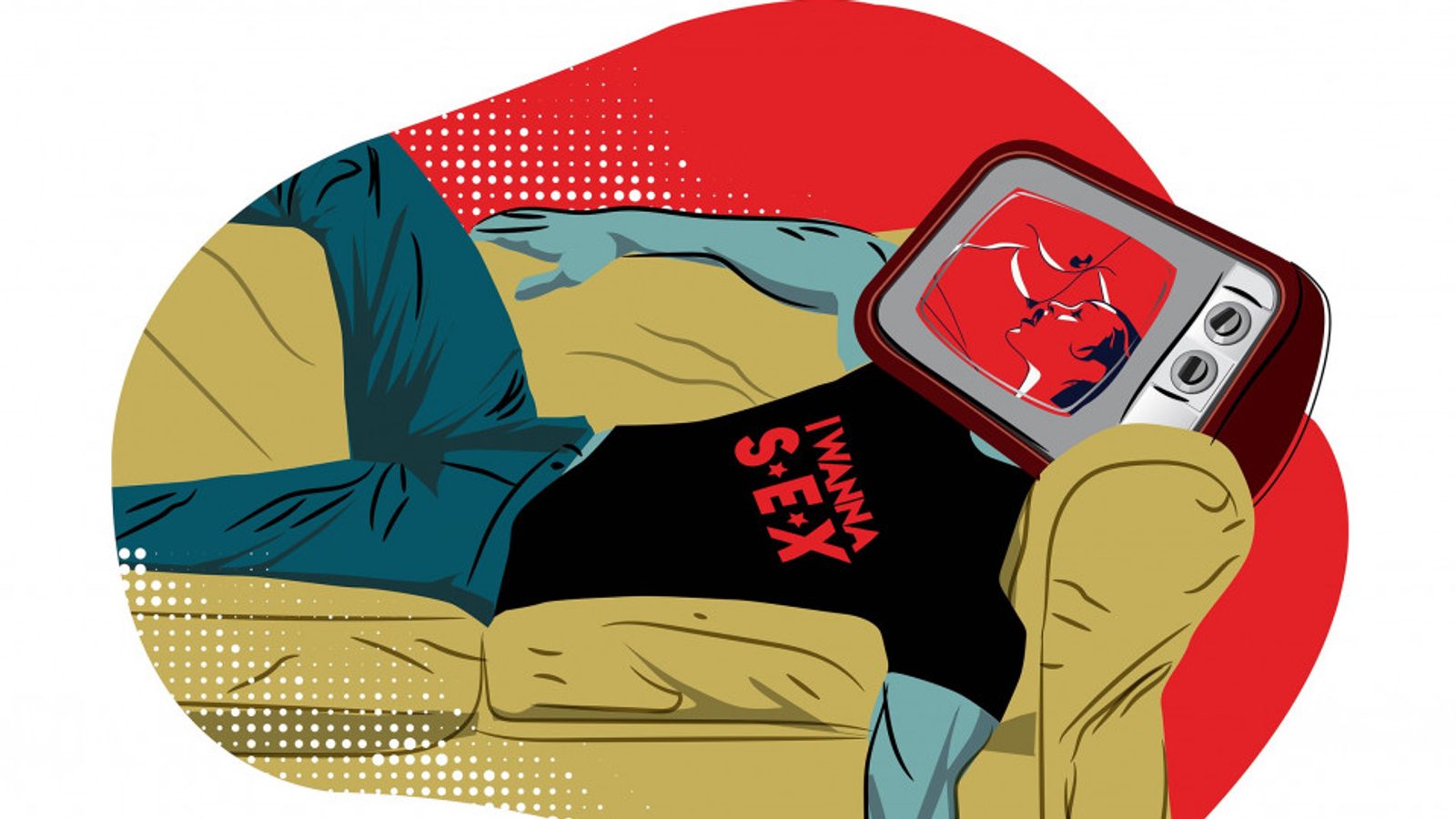
A recent study published in the medical journal The Lancet finds that sexual behaviour among people in the United Kingdom has shifted: younger generations are less likely to have had sexual intercourse, while exchanging sexually explicit images and viewing pornography have become more common.
According to the research, one in three Britons aged 16 to 24 has never had sexual intercourse, compared with one in five in 2010. For people under 45, the frequency of sexual activity has fallen from four times per month in 1990 to twice per month.
Changing patterns across age groups
The authors say the decline in partnered sex is widespread across younger age cohorts, even though most adults remain sexually active. At the same time, digital sexual practices — including sending explicit images by mobile phone — are reported more often than in earlier generations.
Public-health experts warn the trends have implications for sexual education, mental health and the design of prevention campaigns, because online behaviour and offline sexual activity do not always move in the same direction.
“The sexual life of Britons is changing. Although most adults are sexually active, people have sex less often, and increasing numbers of young people have never had sexual intercourse,” says Soazig Clifton, an epidemiologist at University College London.
Researchers call for updated surveys and policy responses that recognise both declining partnered sex and the rise in digital sexual practices among younger people.
Photo: press material from the event