IMF: Central Asia weathered Middle East fallout better than expected, but risks remain
IMF director Jihad Azour told the IMF–World Bank annual meetings that short-term buffers limited damage but inventories and capacity are strained.
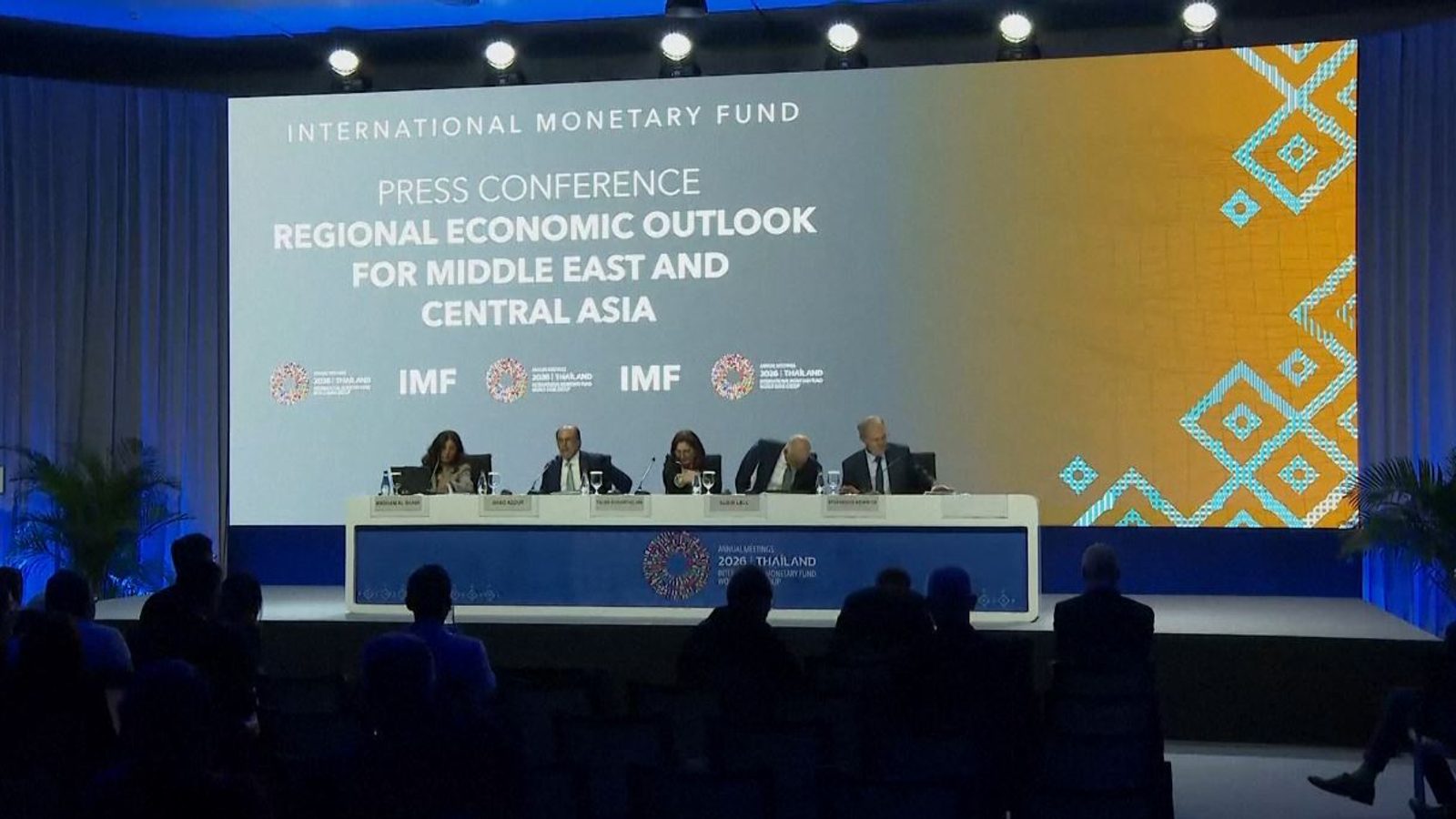
The International Monetary Fund warned that economies in Central Asia have coped with the economic fallout from the war in the Middle East better than expected, but the situation remains serious and highly uncertain, IMF official Jihad Azour said at the institution's annual meetings with the World Bank.
Key risks and remaining vulnerabilities
Azour, director of the IMF's Middle East and Central Asia Department, said the main danger is a continuation or widening of the conflict. "The most important risk is the continuation of the conflict," he said, adding that further disruptions to energy production, maritime routes or critical infrastructure would reduce the activity of Gulf exporters while increasing inflationary pressure and placing additional burdens on fiscal and external positions across the region.
He noted that a combination of factors — rerouting oil through alternative corridors, larger volumes supplied by private companies, and stocks that existed before the war — helped blunt the immediate impact of the Strait of Hormuz closure and the disruption of Gulf oil exports.
Those measures, Azour said, bought some time. But he warned that inventories have since been drawn down and production capacity is fully utilized, meaning any fresh shock to oil markets could trigger a much larger spike in prices.
The IMF official's assessment underlines that while short-term adjustments limited initial damage, regional economies remain exposed to supply shocks and second-round effects on inflation and public finances.
Policymakers in affected countries and external partners will need to monitor energy flows and market signals closely to contain broader contagion risks should the conflict escalate or new disruptions occur.
Photo: press material from the event