Mongolia orders heightened surveillance on Russia border after Irkutsk lab death
Ulaanbaatar ordered precautionary health checks at the Russia border after the death of a lab assistant at an Irkutsk institute; Russia says no confirmed plague cases.
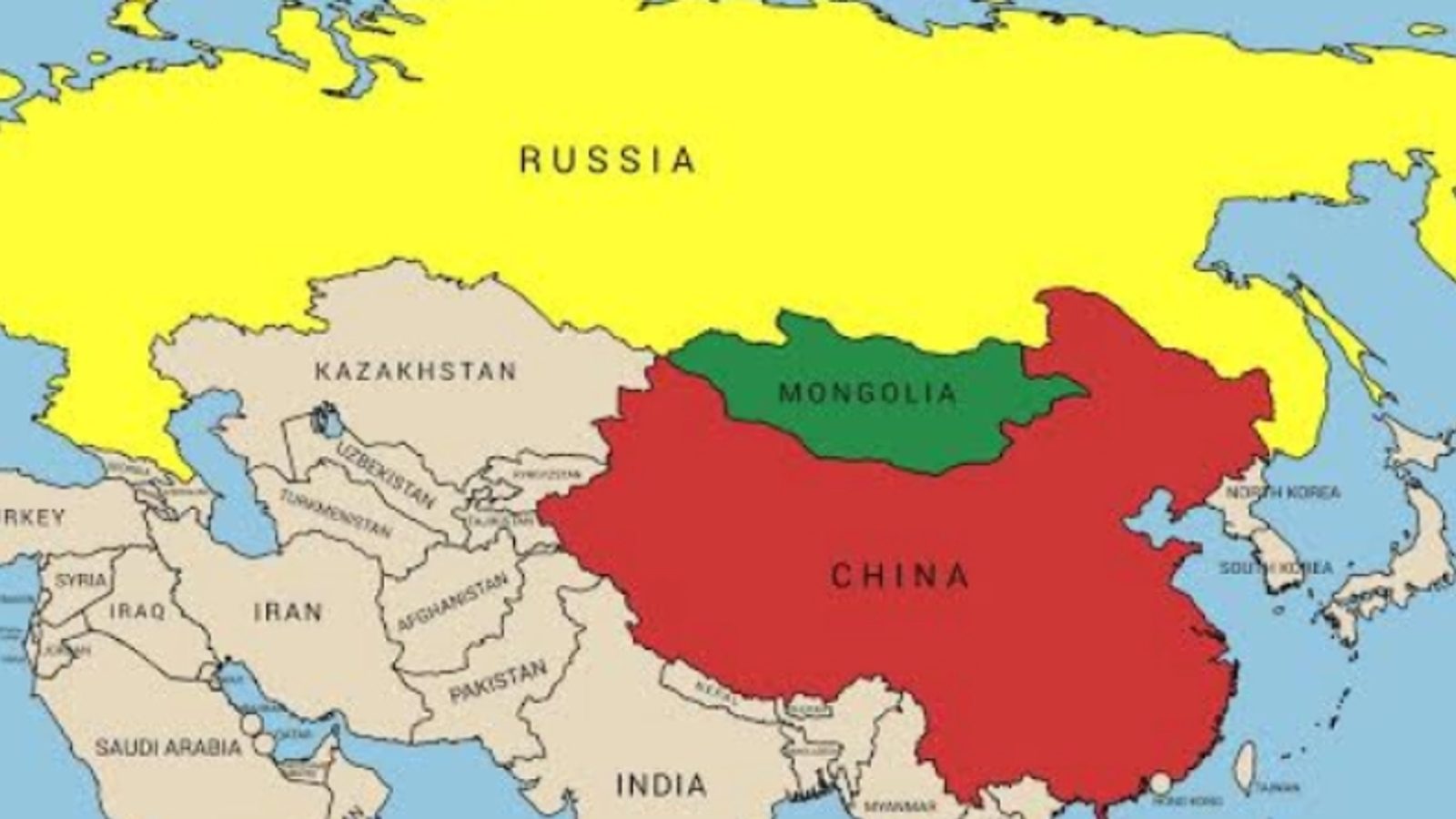
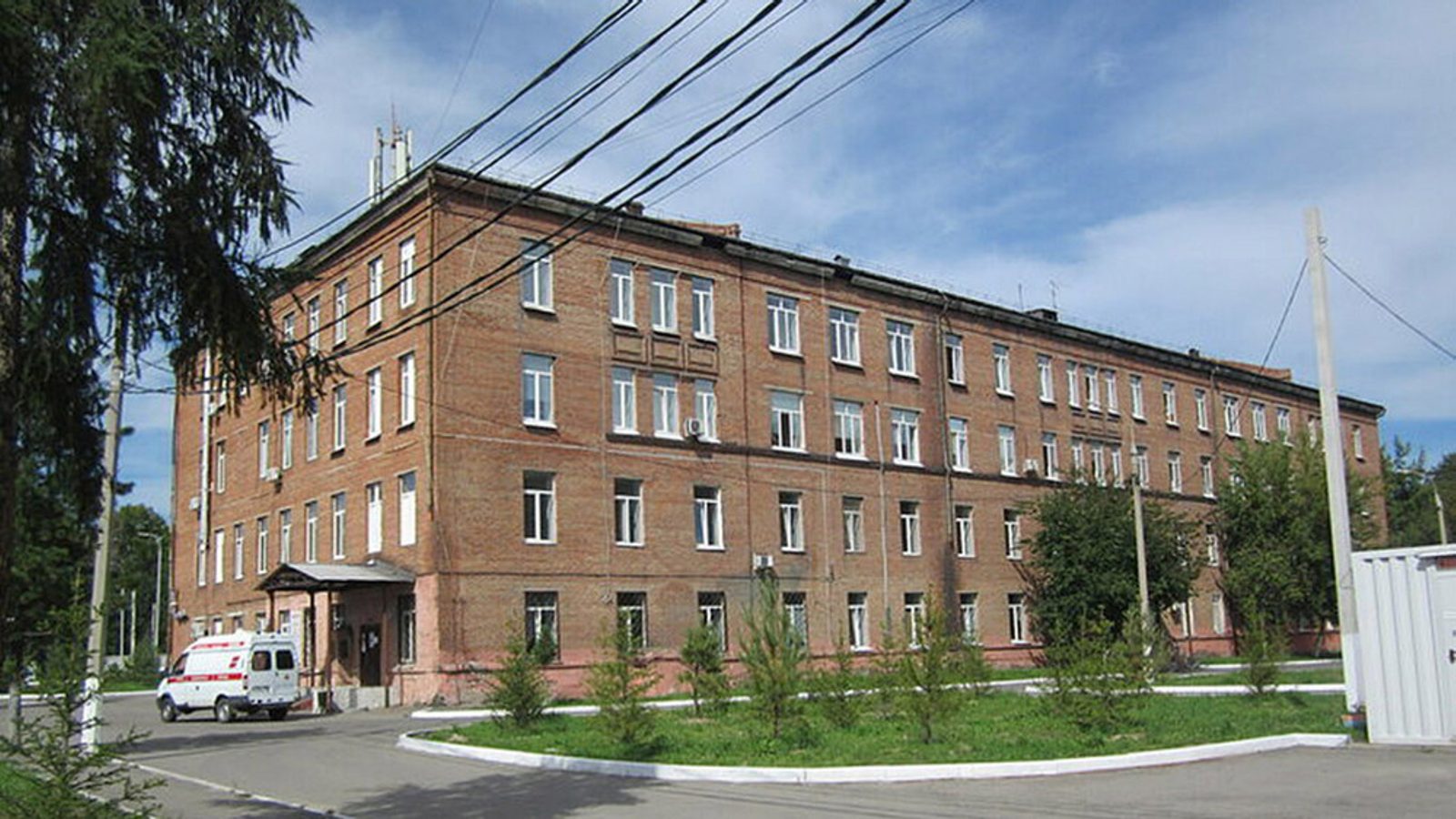
Mongolia has ordered precautionary measures and stepped-up surveillance along its border with Russia after the death of a laboratory assistant at the Plague Research Institute in Irkutsk.
The Mongolian Ministry of Health said the actions were preventive and described the public risk as low, while stressing the need for vigilance. "Measures for health surveillance and control are being implemented at the border, while border operations continue without other changes," the ministry said.
Contacts checked, Russian authorities report no confirmed cases
Mongolian health officials established contact with the Siberian institute, and Russian authorities notified Ulaanbaatar that no plague cases have been confirmed. Rospotrebnadzor, the Russian public health agency, also stated that after the laboratory assistant's death there is no epidemiological risk to the population of Irkutsk Oblast.
Rospotrebnadzor said it informed the World Health Organization and that people who had been in contact with the deceased were tested for infectious diseases; the results showed no signs of infection or presence of dangerous pathogens.
Neighboring Central Asian countries had already heightened sanitary and epidemiological controls at border crossings in recent days. Kyrgyzstan, Tajikistan, Uzbekistan and Kazakhstan strengthened measures after reports of a possible plague-related incident in Russia's Irkutsk region.
After the laboratory assistant's death, speculation circulated that she had contracted pneumonic plague after breaking a test tube containing the bacterium Yersinia pestis; authorities so far have not confirmed an infection.
Photo: press material from the event