Moscow tones down expectations after Trump’s announcement of a "big deal" on Ukraine
Kremlin says Europeans must be involved as US-mediated talks between Russia and Ukraine are set for Abu Dhabi next week.
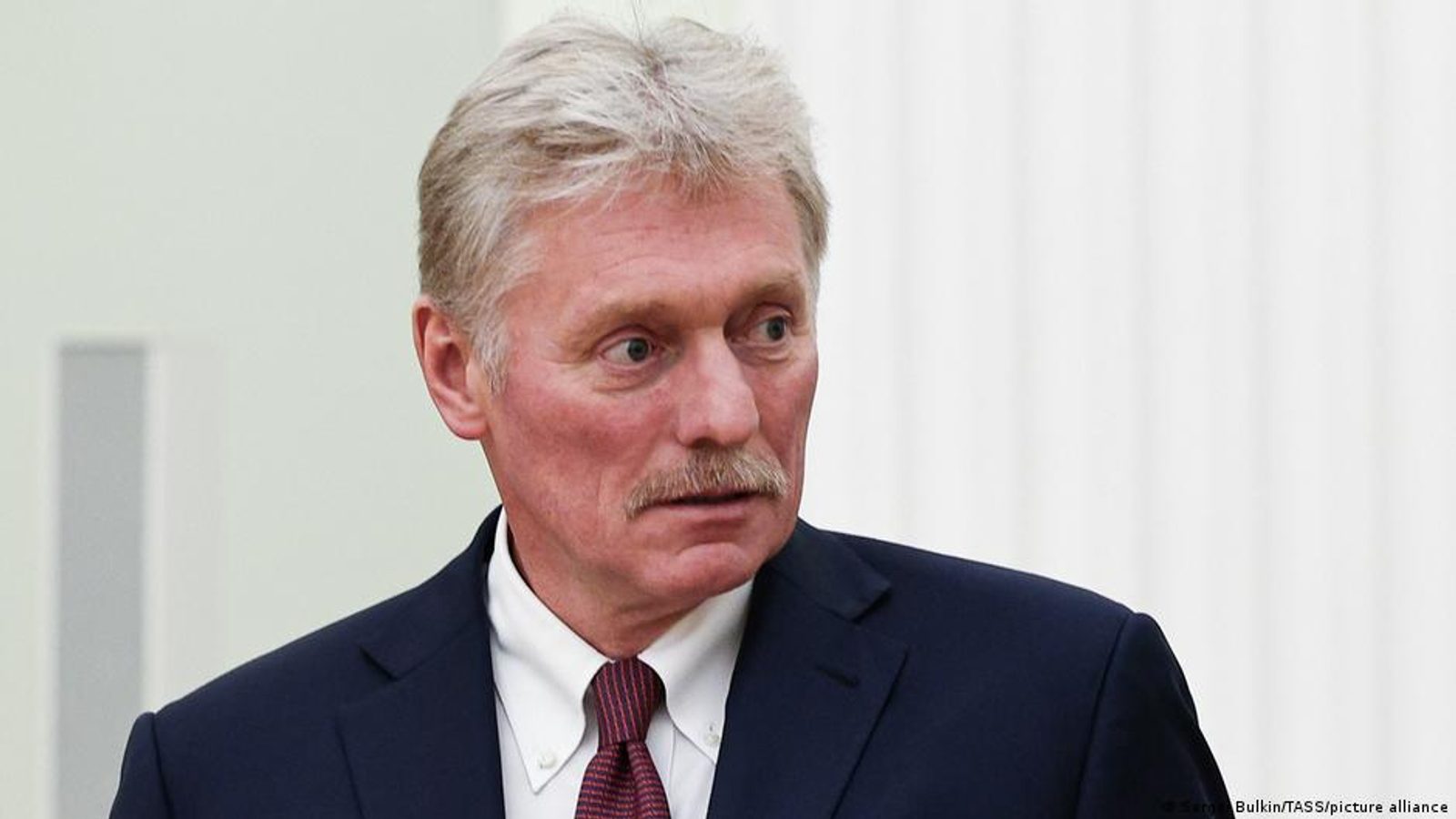
After U.S. President Donald Trump announced a possible "big deal" linked to the war in Ukraine following his November 5 meeting with Kremlin negotiator Kirill Dmitriev, Moscow has responded with caution, underlining that European involvement remains essential.
On November 6, the Kremlin press secretary Dmitry Peskov said Russia does not yet see a European readiness to discuss the future security architecture of the continent and noted that Europeans have not named a negotiator for any upcoming talks. He added that European participation will be required: "Therefore talks with Europeans will be necessary."
U.S.-mediated talks between Ukraine and Russia are scheduled for next week in Abu Dhabi; these would be the first direct discussions since February. Dmitriev—who met Trump in Washington on November 5—also attended a reception at the White House hosted by First Lady Melania Trump, where, according to the U.S. schedule, he was handed a letter for Russian President Vladimir Putin. Dmitriev is expected to return to Moscow with messages and a summary of the meetings.
European capitals insist on a seat at the table
German government spokesman Stefan Kornelius warned that talks about European security and peace in Ukraine are "not purposeful without European participation." Berlin said it was informed about U.S. contacts and that Chancellor Friedrich Merz has been in touch with President Trump. Berlin also said it is closely involved with partners over the Abu Dhabi preparations.
Officials in Berlin and Brussels spelled out four basic conditions that, they said, should guide any process: the war in Ukraine must end; talks about a new security order should follow; a deal can be reached only when all issues are resolved; and NATO partners must be involved and reach consensus. The German government stressed that the security of Europe is directly affected, making European participation necessary.
An EU Commission spokeswoman in Brussels emphasized the bloc's autonomy on security matters: "It is obvious that the European Union decides for itself on issues concerning its security." She added: "We all want a peace agreement soon," but warned that "the road to that is still long, because on that side we have not yet seen much movement."
Peskov said he welcomed the talks that took place at the White House and suggested political and humanitarian channels could complement each other. The Russian delegation at the reception also included Russia's human rights commissioner Yana Lantratova and her Ukrainian counterpart Dmytro Lubinets, who last week jointly helped evacuate people from the front-line town of Oleshky in Kherson region.
Photo: press material from the event