Moscow praises Rumen Radev’s government for more restrained rhetoric toward Russia
Moscow says Sofia’s rhetoric became more restrained after Rumen Radev’s government took office; Russian diplomat calls for EU reassessment and stresses diplomatic solutions.
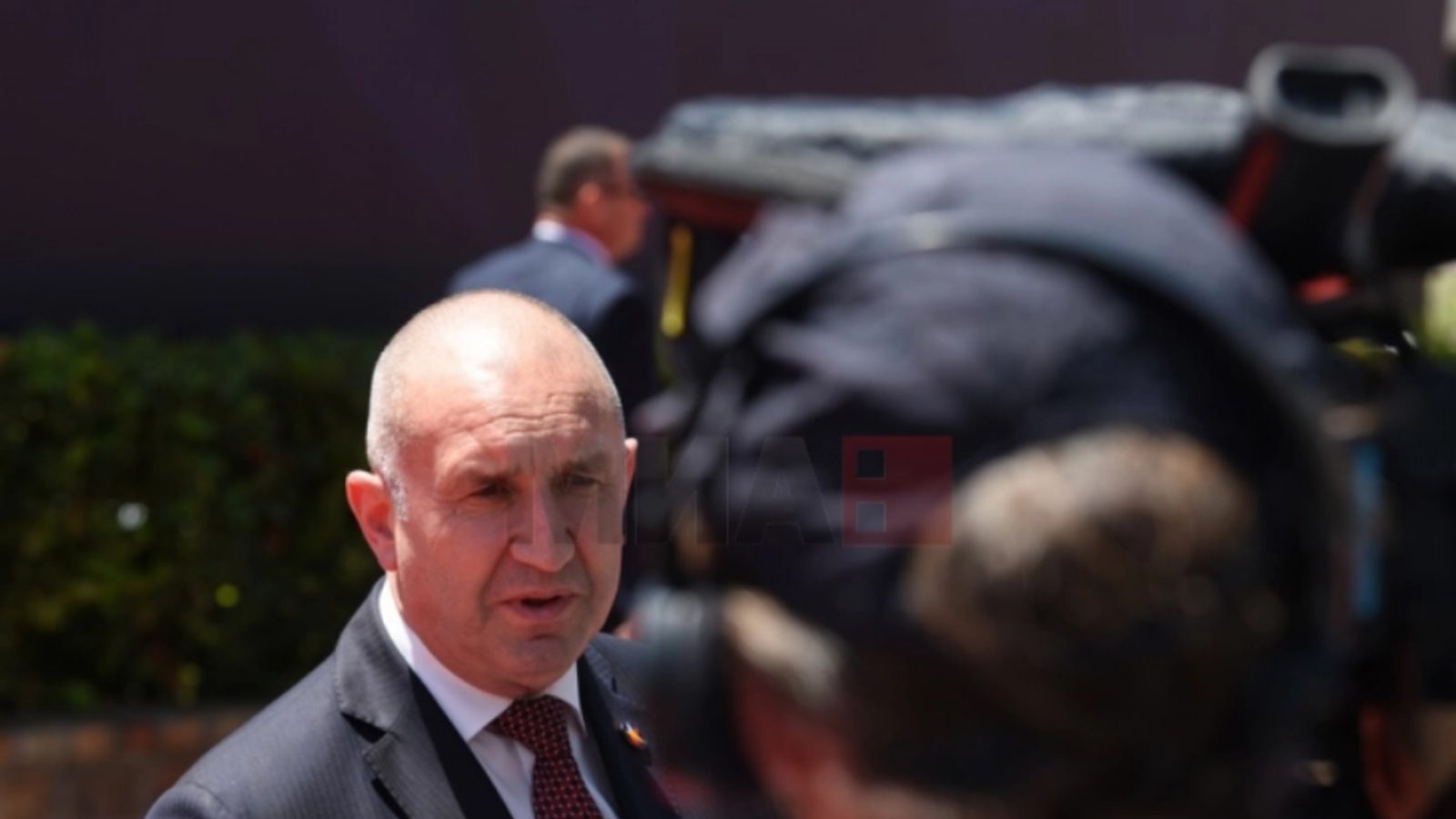
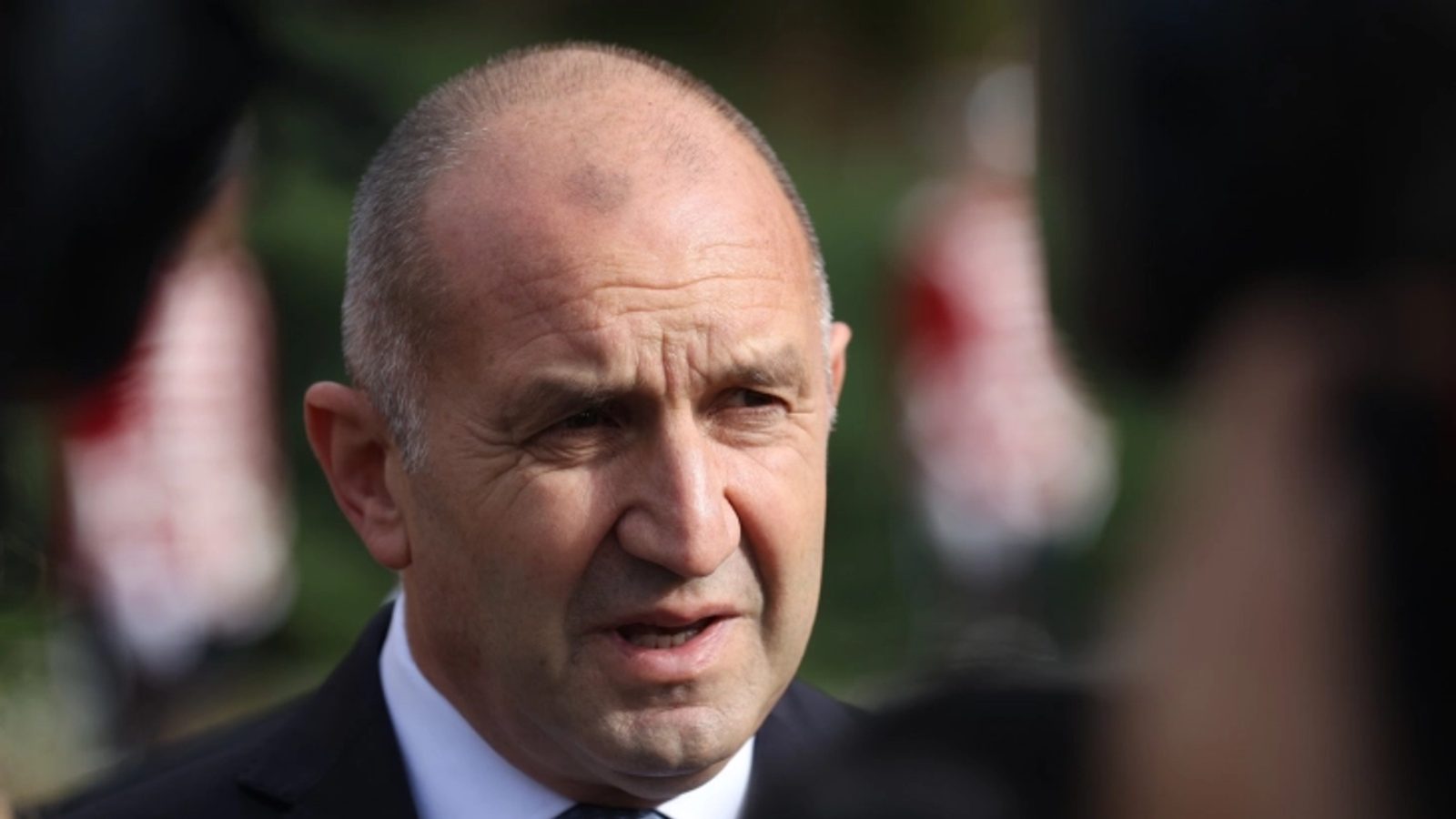
Moscow says it has detected a change in Sofia's rhetoric toward Russia and the Ukraine crisis after a government led by Rumen Radev took office.
The shift was described by Yuri Pilipson, director of the Second European Department at the Russian Ministry of Foreign Affairs, in an interview published on 9 August.
Russian reading of Sofia's stance
“After the new government led by the country's former president Rumen Radev came to power in Bulgaria, the rhetoric of official Sofia on the topic of Russia and the crisis around Ukraine became more restrained and gained rational elements,” Pilipson said.
According to Pilipson, Sofia has been invoking “the principle of Bulgarian national interests” and urging the European Union to reassess its present course. He also warned of the danger of attempts to secure a military victory over Russia and stressed the need to pursue diplomatic solutions.
Pilipson linked that stance to the Bulgarian administration's attitude toward the so-called "Coalition of the Willing," which he described as a "group of warmongers." At the same time he cautioned that it is premature to speak of conditions for restoring "mutually beneficial Russian–Bulgarian cooperation." “In the foreseeable future that will be hindered by Sofia's high level of political dependence on Brussels,” Pilipson said.
On 14 July in Paris, Prime Minister Rumen Radev said Bulgaria would not participate in the "Coalition of the Willing." He said he had personally received an invitation from French President Emmanuel Macron but declined it, arguing that Bulgaria should not join a format that insists on continuing financial and military support for Ukraine. Radev said he favours diplomatic solutions to the conflict and noted that matters of Bulgaria's collective security are settled within NATO and the European Union.
The Russian commentary also singled out figures whom Moscow considers strategically important for Bulgaria, naming Russian Patriarch Kirill, the owner of Lukoil and oligarch Mahmutov.
Photo: press material from the event