Timcho Mucunski in Dubai: Future belongs to states that invest in connectivity and resilience
At the World Economic Forum forum in Dubai the minister called to modernize international trade rules and prioritise transport and energy links.
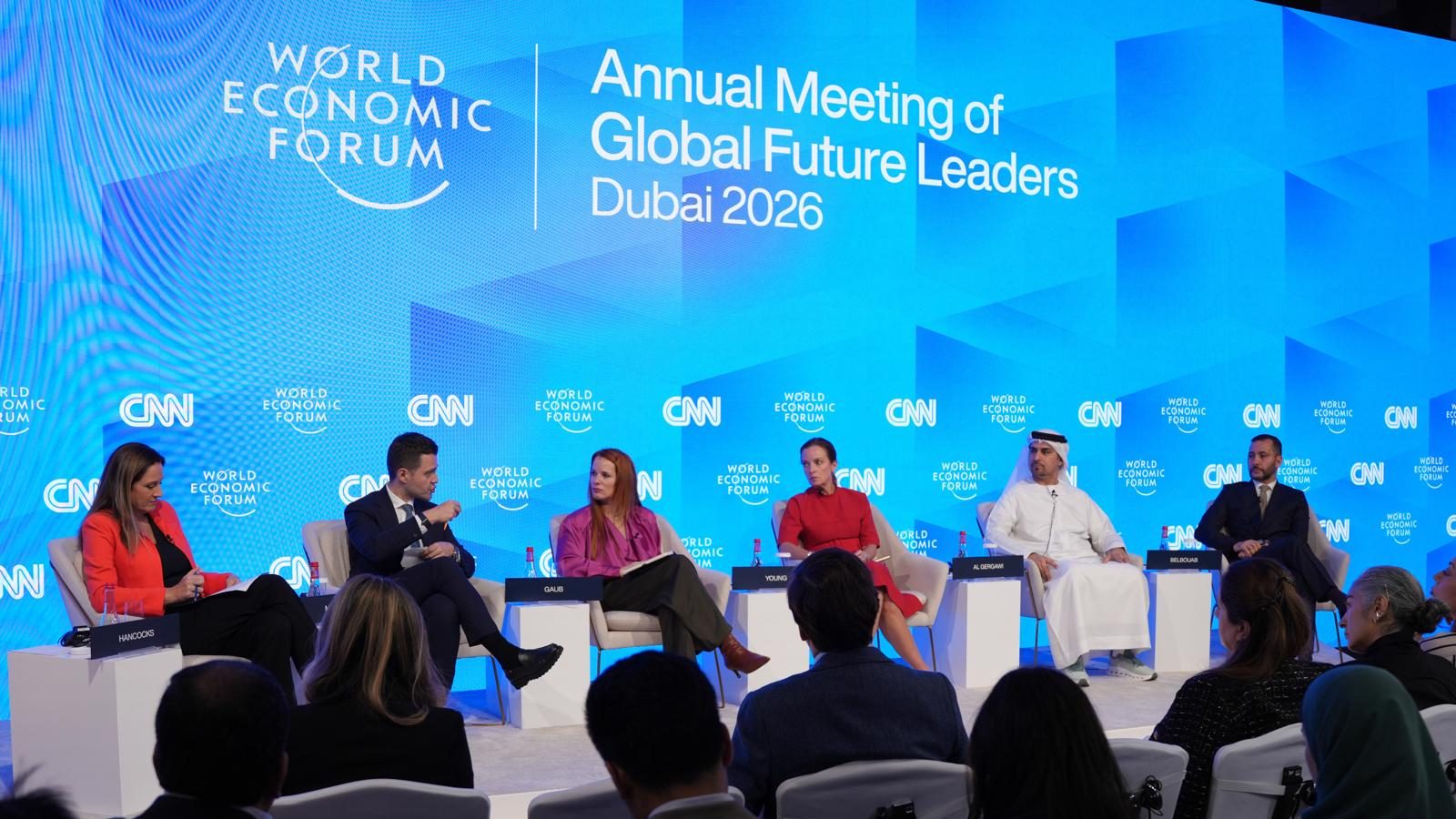
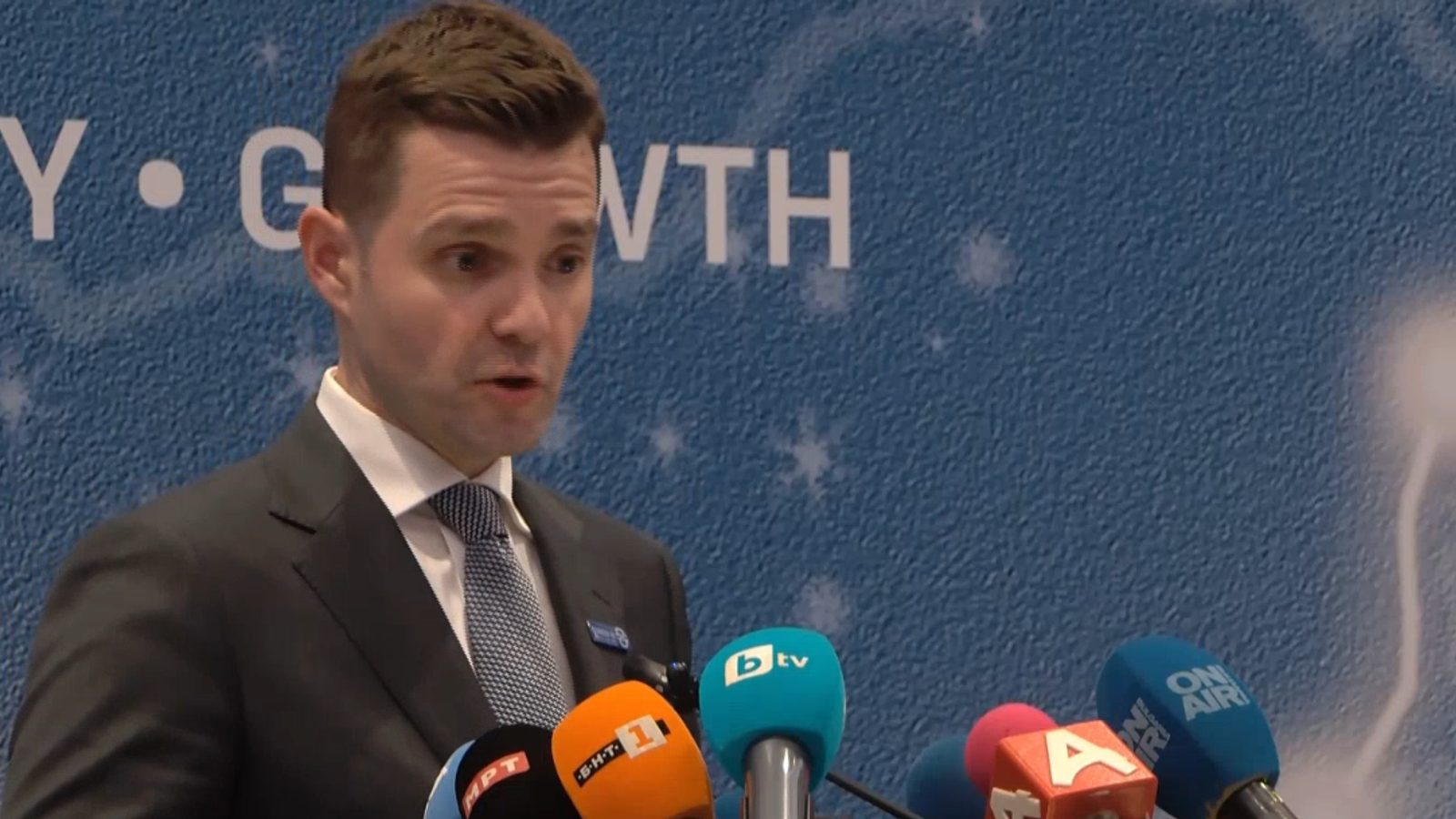
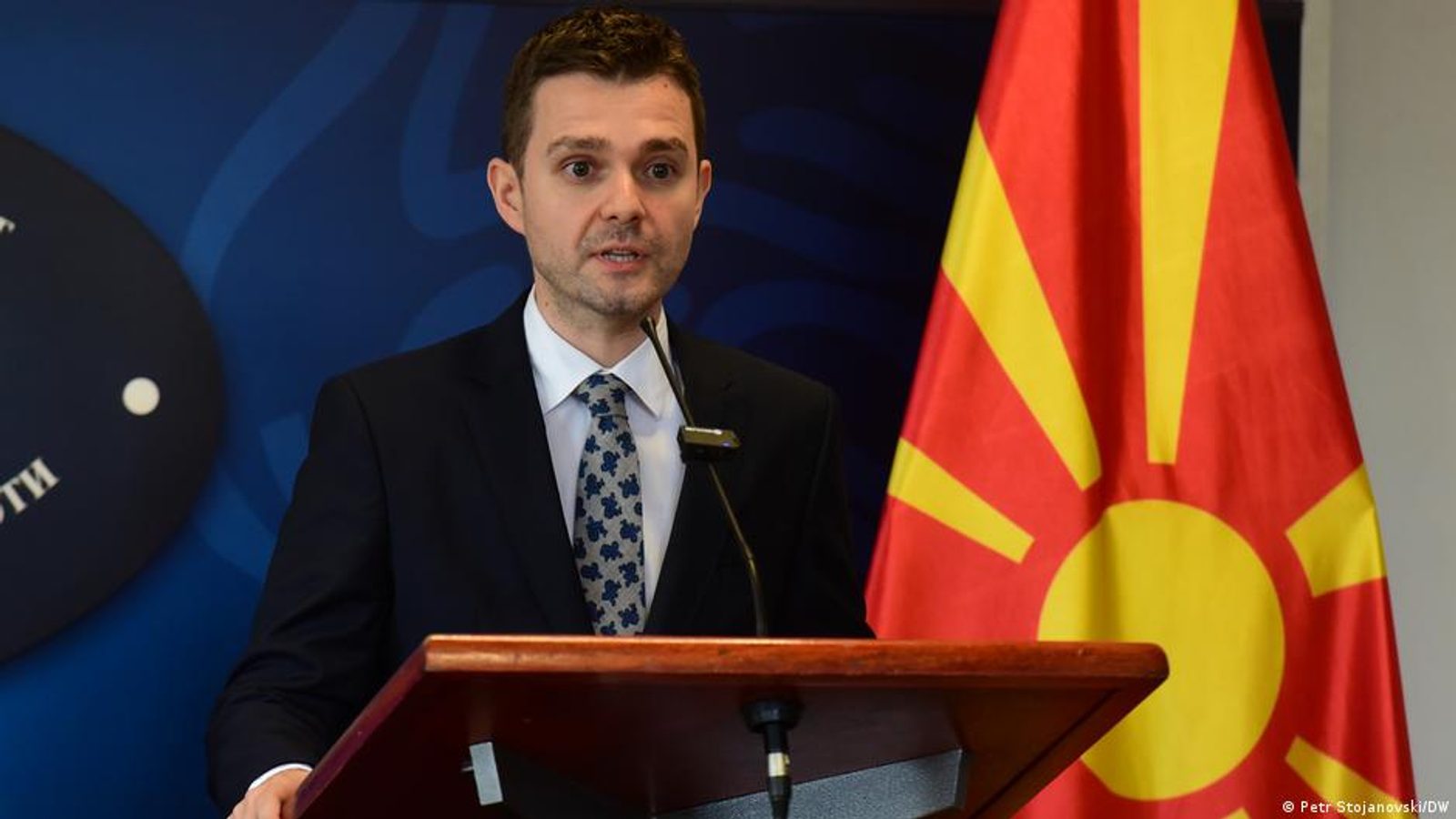
Timcho Mucunski, North Macedonia's minister of foreign affairs and foreign trade, addressed the Forum of Future Global Leaders organised by the World Economic Forum in Dubai, United Arab Emirates, during the session “Trade in a Changing World”.
Connectivity, resilience and partnerships
In his remarks Mucunski warned that the international trading architecture built in the 20th century must be updated to meet 21st‑century challenges, including rising geoeconomic competition. He said policymakers must assess what they themselves can do to reform the system for shared benefit. "When there are those who call the current model into question, and we are concerned about that, we must also look at ourselves and ask what we can do to modernize the system for our common benefit," he said.
Mucunski placed particular emphasis on the relationship between openness, security and resilience. He argued that the future of global trade should not be posed as a choice between openness and security, but rather that openness must be made safer. "We must make openness safer. Resilience in no way means isolation," he urged.
The minister said the most successful states will be those that invest in connectivity, resilience and partnerships. "Our firm conviction is that the countries that will succeed in the next five, ten, fifteen or twenty years will not be those that build the largest walls, but those that build the most resilient bridges," he stressed. He highlighted planned and ongoing investments in Corridors VIII and X, in road and rail links, and in energy diversification, stressing that energy independence is a prerequisite for economic development and for attracting investment into future industries.
Speaking about the position of smaller economies in global competition, Mucunski said their strength derives not from size but from the ability to be dependable and predictable partners. "Large economies compete on scale. Small economies compete on reliability," he said.
On economic interdependence and the fallout from conflicts, the minister warned that the effects are rarely confined to combatant countries. "The first victim of every conflict is human life. The second victim is economic prosperity — not only of the countries involved in the conflict, but more broadly, because our supply chains and trade routes are closely interconnected," Mucunski emphasized. He concluded that the appropriate response to global change is not isolation but deeper connectivity, modernisation of international rules, stronger resilience investments and more effective multilateral cooperation.
Photo: press material from the event