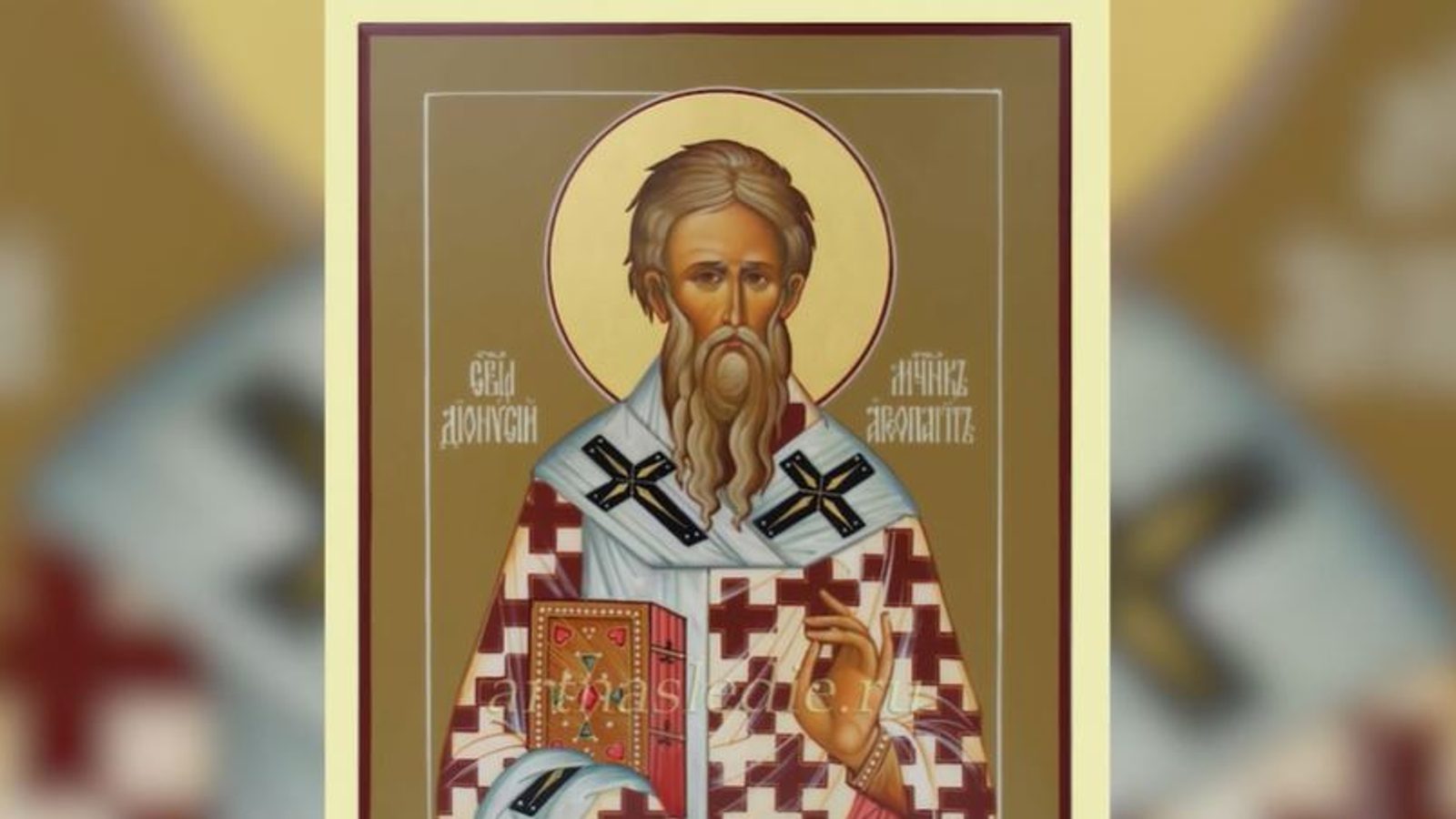
August 4 — Mary Magdalene: traditions, patronage and household rites
Devotional traditions and household customs observed on August 4 in honour of Mary Magdalene.
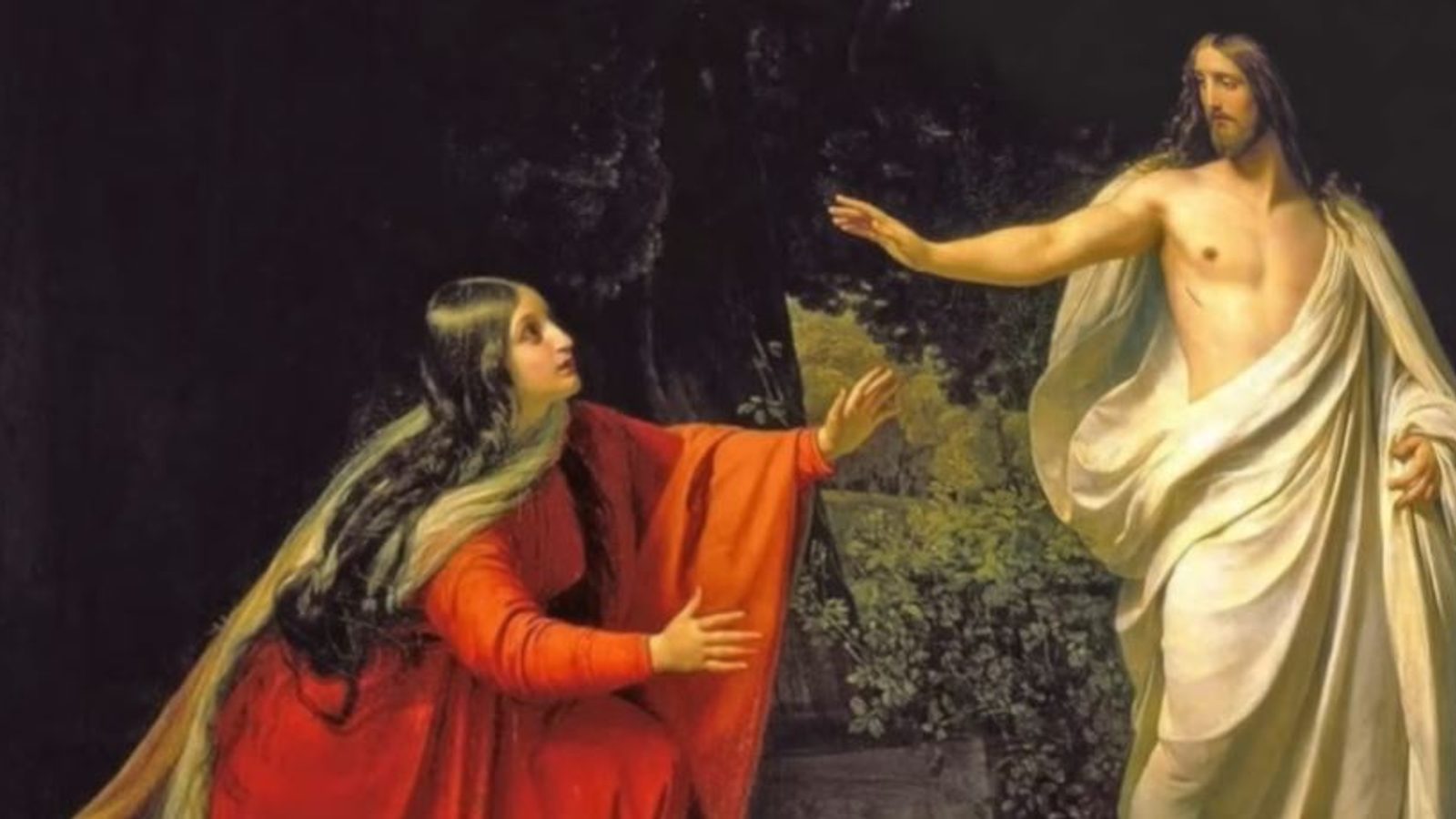
On August 4 the Christian calendar commemorates Mary Magdalene, venerated as a myrrh‑bearer and honoured among the apostles. The day is observed with special devotional practices and household customs in many communities.
Mary Magdalene was born in Magdala on the shore of the Sea of Galilee and, according to tradition, belonged to the tribe of Issachar. In her youth she suffered from the influence of seven evil spirits before being healed and freed by Jesus Christ.
She became a devoted follower and attendant during Jesus’s ministry, stood alongside the Virgin Mary at the foot of the Cross on Golgotha, and mourned his death. After the Crucifixion she visited the tomb three times and, after the Resurrection, saw Jesus on two occasions—once alone and later together with the other myrrh‑bearing women.
Tradition records that Mary travelled to Rome and appeared before Emperor Tiberius. Presenting a red‑dyed egg, she greeted him with the words: "Christ is risen!" She also accused Pontius Pilate before the emperor; the complaint led to Pilate’s removal from Jerusalem and his posting to Gaul, where he fell into imperial disfavor and serious illness.
Later she returned to Ephesus and assisted Saint John the Theologian in spreading the Gospel. She is said to have ended her earthly life quietly in Ephesus and to have been buried in the cave associated with the Seven Sleepers; her relics were later transferred to Constantinople.
Household observances and patronage
Mary Magdalene is regarded as a patron of women, particularly those committed to the Christian life and works of mercy; she is also associated with hairdressers, pharmacists and chemists because of her ties to myrrh and perfumes. She is invoked by people facing slander, spiritual trials or injustice.
Folk practice for August 4 encourages women to set aside heavy physical and domestic labour—including field or garden work—and devote the day to prayer for health, family harmony and protection from harm. Acts of charity are recommended in the saint’s example. It is customary to bring eggs into the home as symbols of new life, to burn incense or light a lamp with blessed oil to cleanse the space of negative influences and invite blessing and well‑being.
Photo: press material from the event