August 6 — Name day for Christina: what to do tonight for luck and protection
Saint Christina of Tyre is celebrated on August 6; evening prayers, spring water and protective herbs are among the customary practices to bring peace and protection to the home.
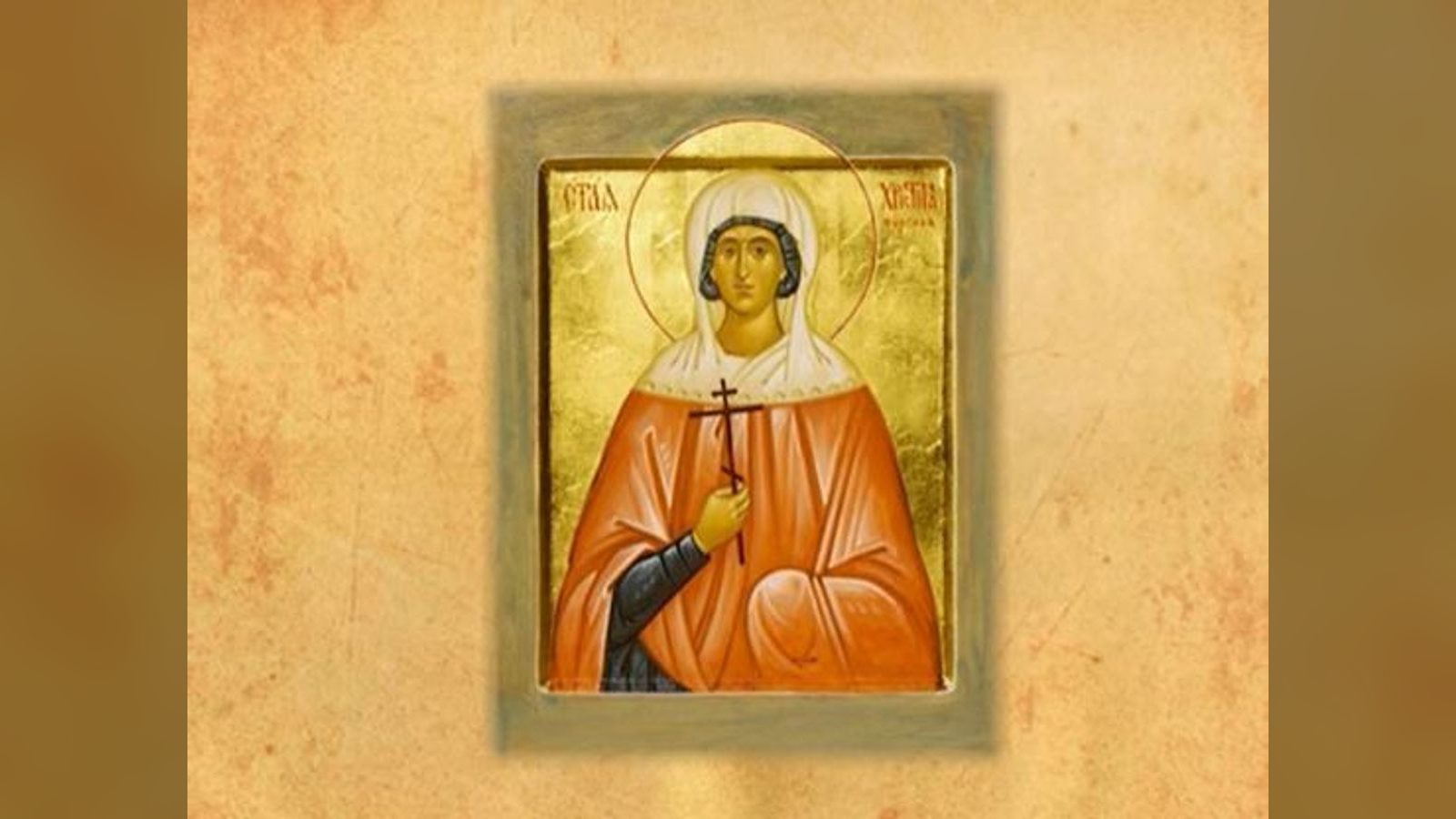
August 6 is the day when Orthodox Christians honour Saint Christina of Tyre — a martyr traditionally regarded as a swift responder to prayers and a protector for those who turn to her in distress. Many name-day greetings will be sent tomorrow to women who carry her name.
Her role in popular devotion
In popular belief Saint Christina is often invoked by mothers and by women in pregnancy for the health and safety of their children, and by those seeking healing or inner calm during difficult times. Devotees ask for her intercession for easy childbirth, recovery from serious illness and patience when life becomes burdened by trouble.
Her life story, preserved in church tradition, underlines why she is held in such esteem: born the daughter of the pagan governor Urban, Christina was confined in a tall tower because of her beauty. Observing the world around her she came to believe in the living God, rejected the idols of her father and publicly destroyed them — an act that provoked brutal punishment.
Throughout her torment she remained steadfast in faith; the accounts tell of miraculous signs during her suffering, including the sudden death of her torturer Dion and the blindness of his successor Julian. Ultimately she gave her life as a martyr in the third century, and her memory is kept as an example of spiritual courage.
On the eve of her feast believers traditionally prepare the household by setting aside loud celebrations and new beginnings: the evening is reserved for quiet family prayer in front of the saint's icon (or more generally before an icon of Christ), asking for peace in the household and protection from harm. A commonly recited passage for spiritual healing is Psalm 50; devotees often say these lines:
"Have mercy on me, O God, according to Your steadfast love; according to the abundance of Your mercy blot out my transgressions. Wash me thoroughly from my iniquity, and cleanse me from my sin. For I know my transgressions, and my sin is ever before me."
Other customary practices associated with the feast include drinking water from natural springs early in the morning until noon — a ritual believed to cleanse body and soul — and gathering dried flowers and herbs that are carried home as protective amulets. Observing these traditions is thought to bring blessing, peace and grace into family life.
Photo: press material from the event