Saint Petka appears in a dream — a priest’s answer that stayed with a Belgrade woman
A Belgrade woman describes a vision of Saint Petka during a family crisis and the priest who challenged her to test the dream’s origin.
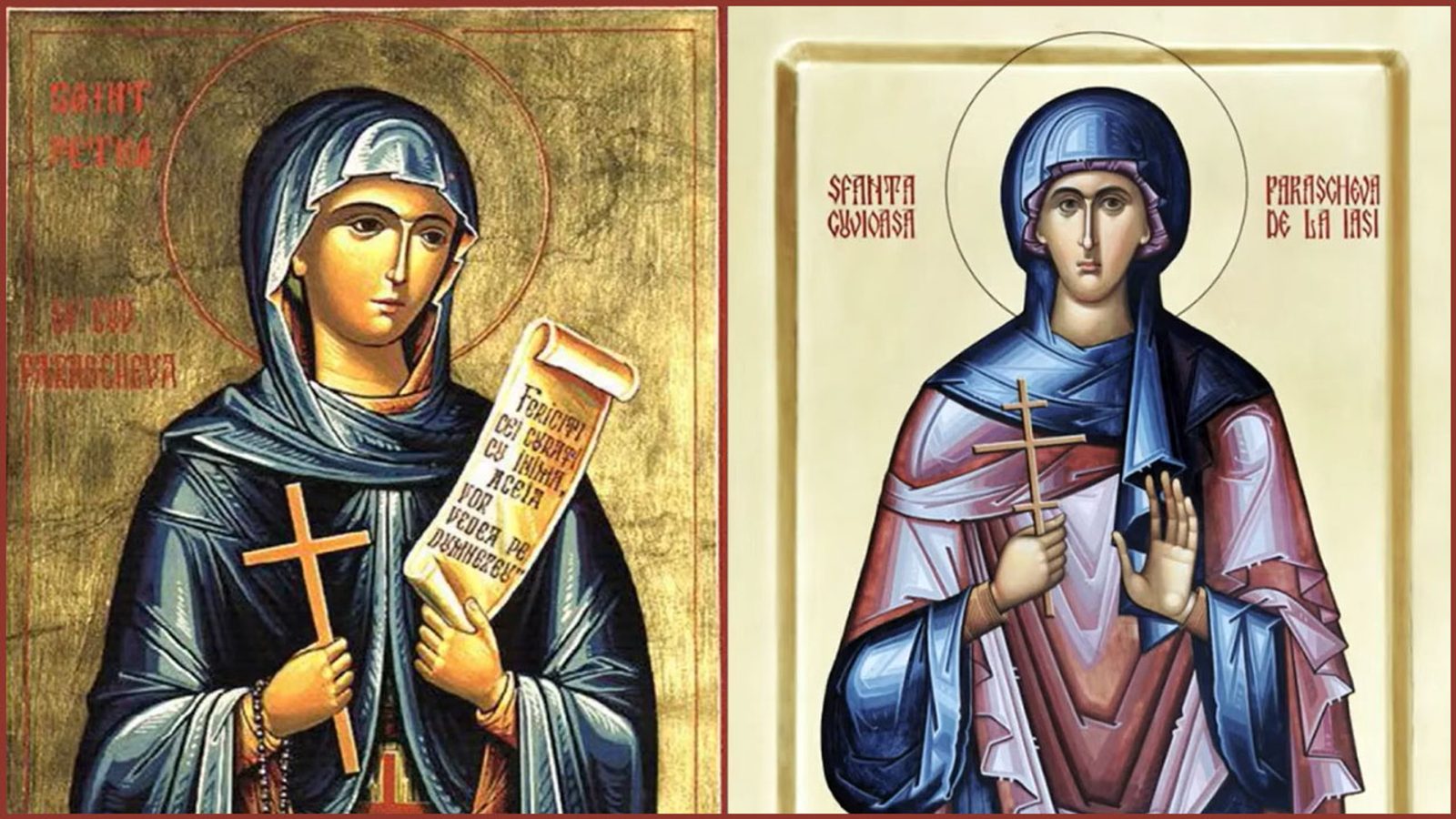
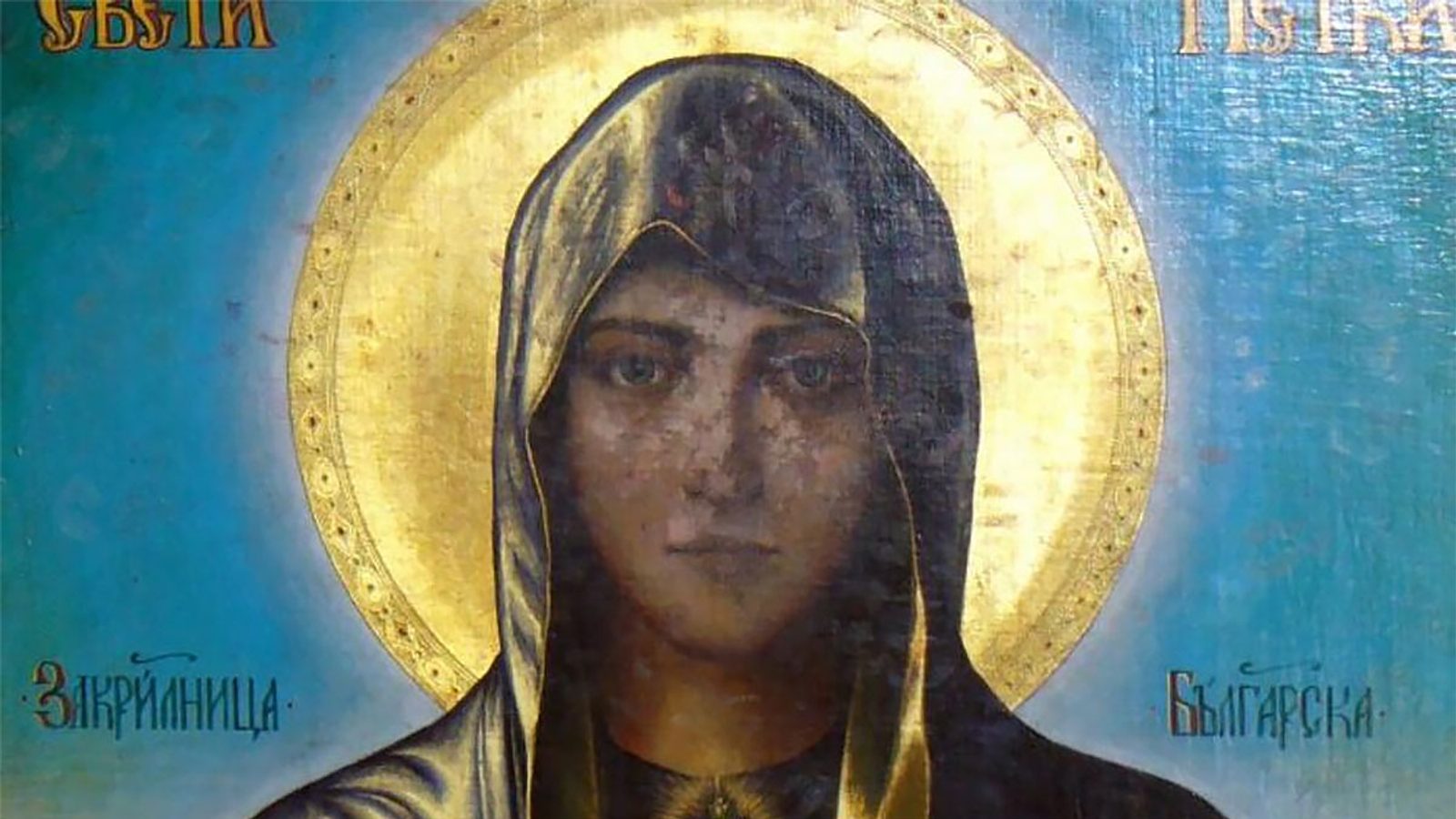
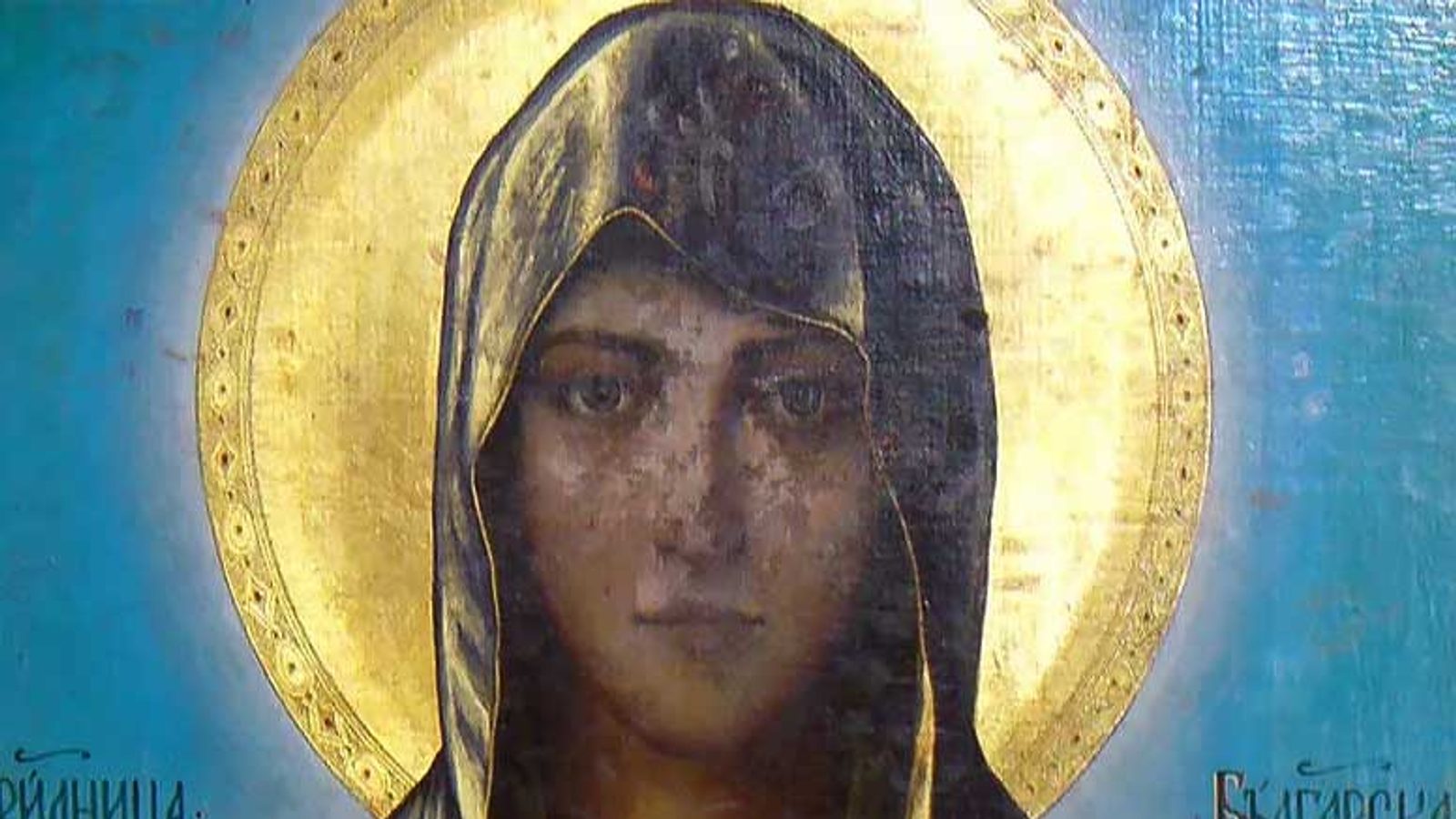
October 27 (Tuesday) is the day the Orthodox Church commemorates Saint Paraskevi, known in the Balkans as Saint Petka. Devotion to her remains widespread; many believers turn to her as a protector from illness and misfortune.
Dreams, warnings and comfort
Stories of people who say Saint Petka visited them in a dream are common across the region. Believers often explain such visions in two ways: as a source of consolation or as a warning to change one’s behaviour.
One account comes from Jovana R., who lives in Belgrade and recalled a striking dream she had years ago. She says the vision arrived while she was going through a string of personal losses and anxieties that began after the 1999 bombing: the death of her father, her mother’s broken arm, her brother’s marriage breaking down, and threats of layoffs at her workplace. Household appliances failed in quick succession: first her parents’ refrigerator, then the boiler, and later problems in the flat she shared with her boyfriend.
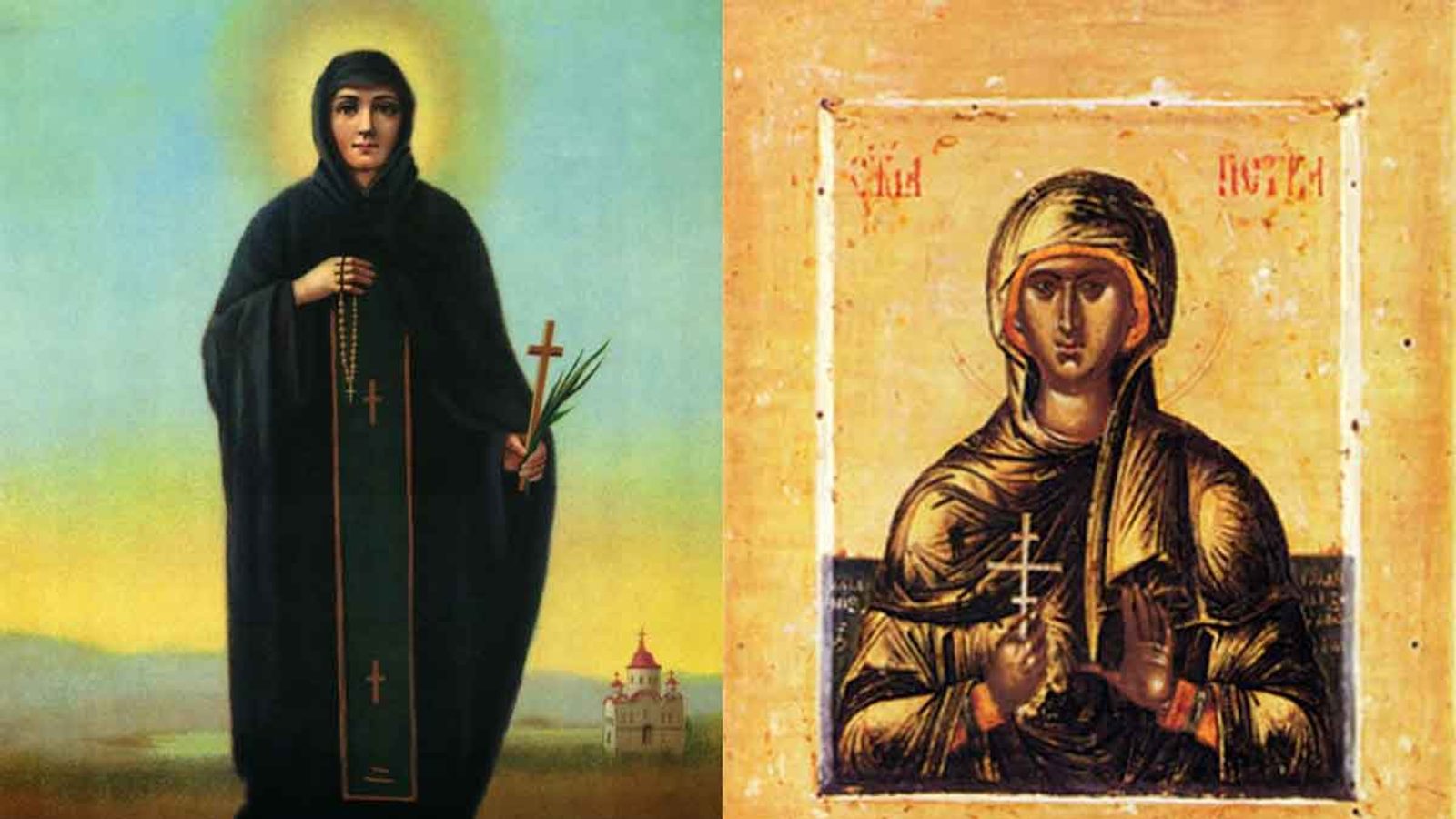
Jovana describes how the pressure of these events left her praying every night. One night she dreamed of a woman in a black cloak holding a rosary in one hand and a cross and a sprig in the other. She recognized the figure from an icon: it was Saint Petka. The woman looked at her sometimes kindly, sometimes sternly. Jovana immediately resolved to go to church the next morning to light a candle and speak with a priest.
At the church the priest read a prayer for her health and, as Jovana says, became for a moment a stand‑in for the father she had lost—someone to confide in and to offer guidance. She told the priest about the dream and her worries. In his response he asked words that stayed with her for life: "How do you know that the dream was from God?" Then he added: "If that dream isn't from God, then you don't need it!" When she pressed on—"And if the dream was from God?"—the priest urged her to examine her own actions and try to become more like God in conduct: to think where she might be erring and make an effort to improve.
The account ends with practical observances people follow on Saint Petka’s feast: specific bedtime prayers and small household rituals intended to invite health and protection for the coming year. A commonly recited evening prayer runs, in translation, roughly: "Help me, God, Saint Petka and Saint Nedela, forgive us if we have done wrong; help and protect me, God, from unseen misfortune; spare me from evil thoughts; grant health, let me sleep well and not dream evil, but of ivy and basil; Lord bless me with health, happiness and progress so we meet again tomorrow healthy and alive."
Customs tied to sleep on this night include lying with the head turned to the east, sleeping on the right side, keeping one hand under the head and the other extended; when children are present, incense is sometimes burned so they do not become frightened in their sleep.
Photo: press material from the event