Zdrava Kotlina submits 240 objections to Draft National Spatial Plan to 2040
The civic initiative demands written, evidence‑based responses and warns planned mining in the southeast could threaten agriculture and the environment.
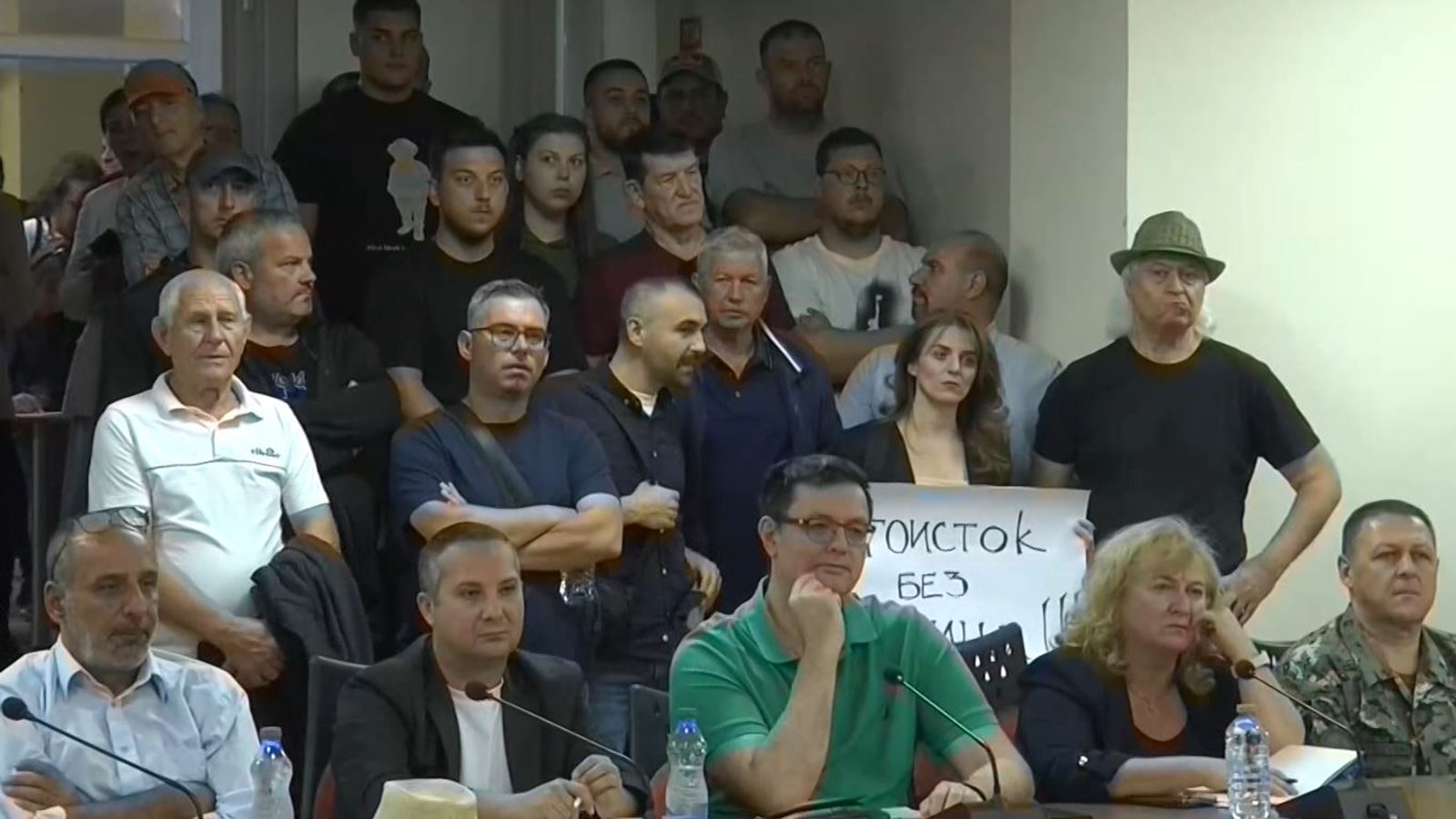
Zdrava Kotlina, a civic initiative, has delivered 240 formal objections to the Draft National Spatial Plan to 2040 and is calling on public bodies to respond point‑by‑point and justify the plan’s proposed solutions with evidence.
Key demands and regional concerns
The group says the plan should set development priorities for the coming decades rather than merely cataloguing the present situation. Zdrava Kotlina warns that without substantive replies the document risks becoming a record of interests rather than a strategic roadmap.
Gjorgji Tanushev, an activist with Zdrava Kotlina, urged authorities to treat the plan as a forward‑looking instrument: "We expect the state to respect its own laws, in that sense the spatial plan is not just mapping what we have, but also defining the development we plan to achieve in the next period, specifically to 2040. So it is a manipulation to claim that everything must be entered; on the contrary, we can have conflicting information about many things, but precisely the spatial plan resolves all these issues by giving strategic priority to one side over another," he said.
Zdrava Kotlina highlighted particular sensitivity in the southeastern region, where planned mining activities raise questions about the future of agriculture and environmental protection. The initiative says the objections it submitted contain concrete justifications and documentary evidence that must be addressed by competent institutions.
Tanushev also stressed the need for written answers: "The Strumica region is too small for mining appetites, especially in that respect we expect answers to the 240 objections we sent in writing, to receive replies back, because those objections are substantive, they are recorded in context and in legal form and contain proposed evidence which to challenge must be counter‑evidence that what is proposed in the spatial plan is substantiated; otherwise it will turn out that someone does not respect the laws and probably abuses official duty and authority," he said.
The civic initiative will continue field activities and meetings with residents in affected settlements to inform them about the planned measures, possible consequences of mining projects and the importance of public participation in the adoption procedure of the spatial plan.
Reporter: Suzana Miceva
Photo: press material from the event