Over 22,000 downloads of 'm.Usługi' in first 24 hours
Ministry: strong early interest, but wider use of digital IDs depends on technical and legal readiness of institutions.
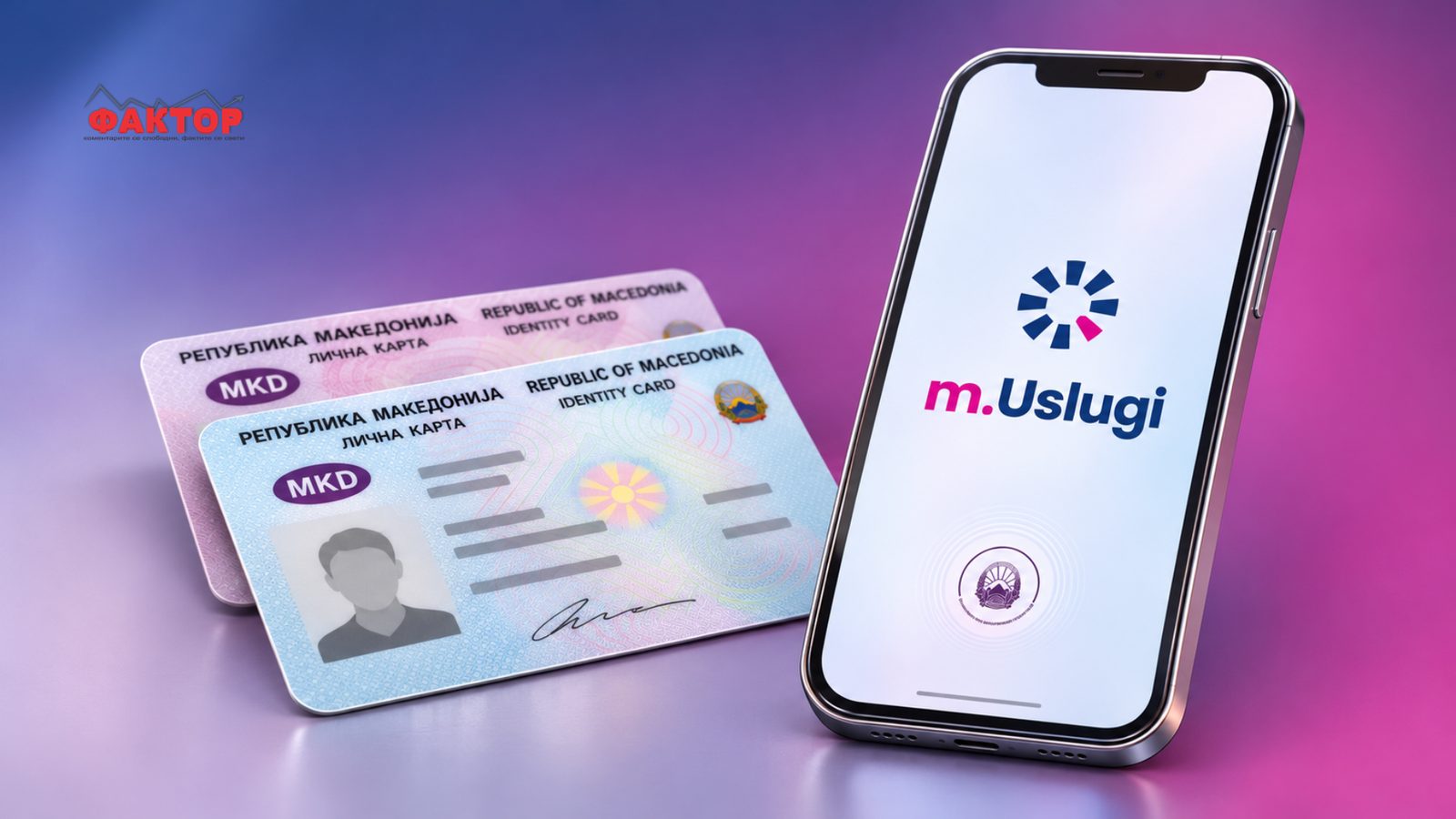
The newly launched mobile app m.Usługi recorded more than 22,000 downloads within its first 24 hours, the Ministry for Digital Transformation reported on 10 November 2026. The app lets users access digital versions of identity documents and a subset of public services on their phones, though the ministry did not provide figures for how many people have completed activation or added documents to the app's digital wallet.
Early demand, limited data on usage
Alongside the app rollout, use of the National e‑Services Portal continued to climb: the portal logged 30,040 transactions in October, exceeding the roughly 29,000 recorded in September. "In October, the National e-Services Portal registered 30,040 transactions, surpassing the previous record of around 29,000 in September. As Minister Andonovski noted, services available through 'm.Usługi' lead among them," the ministry said.
Officials stressed that wider practical use of electronic identity documents depends on technical and legal preparations across state institutions. For example, police checks currently require physical ID cards and driving licences; the electronic versions will only be valid for that purpose once the Ministry of Internal Affairs implements verification systems and the necessary subordinate legislation is adapted.
"The 'm.Usługi' application recorded over 22,000 downloads in the first 24 hours after its launch, which shows significant interest among citizens in accessing identity documents and public services via mobile phone," the ministry added.
On security, the ministry described a multilayered protection model: the digital wallet is linked to the user's electronic identity (eID) profile and protected by a personal six‑digit PIN. "Data are exchanged via encrypted communication channels and a controlled, protected infrastructure. Authorized components and services have access to them, according to predefined exchange protocols," the ministry explained.
In the event of a lost or stolen phone, the ministry said the documents stored in the locked digital wallet remain protected by the user's PIN code. However, the ministry has not published details of independent security audits or any attempts at unauthorized access to the system.
As the service moves from launch into broader operation, authorities and users will be watching whether initial interest translates into steady adoption and how quickly institutions adapt their systems and rules to accept digital IDs in routine administrative procedures.
Photo: press material from the event